Onion thrips (Thrips tabaci) are the most dangerous onion pest in Polish conditions, and every year we see it confirmed on our own fields. This tiny, barely visible insect sucks sap from the onion tops, and under heavy pressure it can cut the yield by as much as 40 percent. We write about it from the practice of around 250 hectares of onions in Żuławy: how we spot the first influx, when we react and what we do so the pest takes neither yield nor quality.
How to spot thrips on onions
The insect itself is easy to miss, because an adult thrips is barely 1 to 1.5 millimetres long. You will see its work much sooner than the pest. Thrips puncture the tissue of the tops and suck the sap out of the cells, which then fill with air, so the first symptom is tiny, silvery-white spots and streaks on the leaves.
As the pressure builds, the symptoms merge: the tops turn grey, lose their green, deform and dry out prematurely. A plant that should be working on bulb size until the end of the season ends its growth too early, and the onions stay smaller. That is exactly why thrips hit both yield and size at once, the two things a buyer pays for.
When the pest attacks and why it loves heat
Thrips overwinter in the soil and in plant debris, and they usually fly onto onion plantations from mid-May. The peak of damage comes at the turn of June and July, when it is warm and dry. One generation develops in 18 to 30 days, so in a favourable, hot season the pest manages several generations and the pressure snowballs.
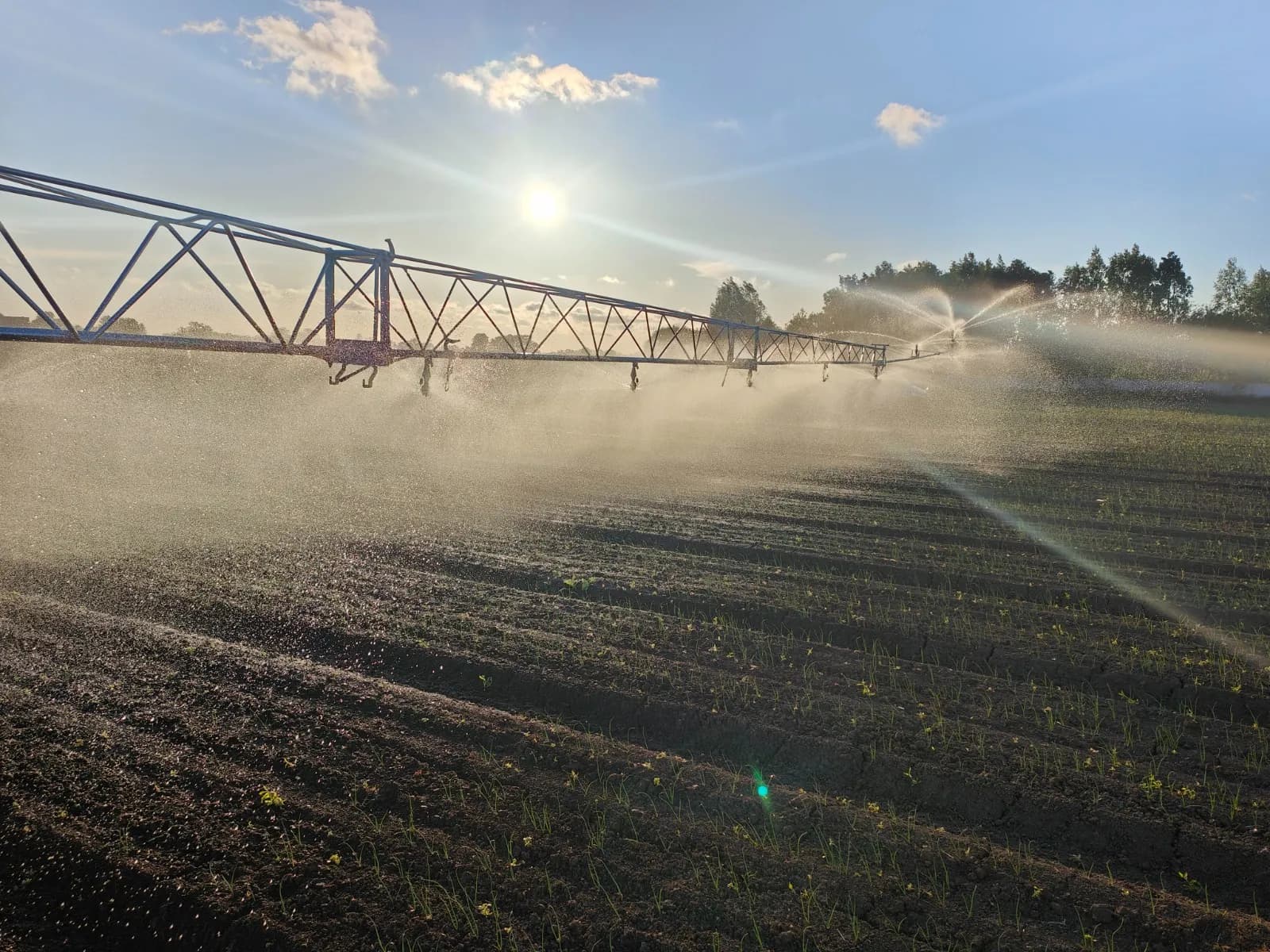
Dry, hot summers are ideal conditions for thrips, while rain and high humidity clearly slow them down. In Żuławy this varies from year to year, which is why in dry weather windows our sprinkler irrigation works too: its main job is water for the crop, but the sprinkling also raises humidity in the canopy and makes the pest's life harder.
Damage thresholds: we count before we spray
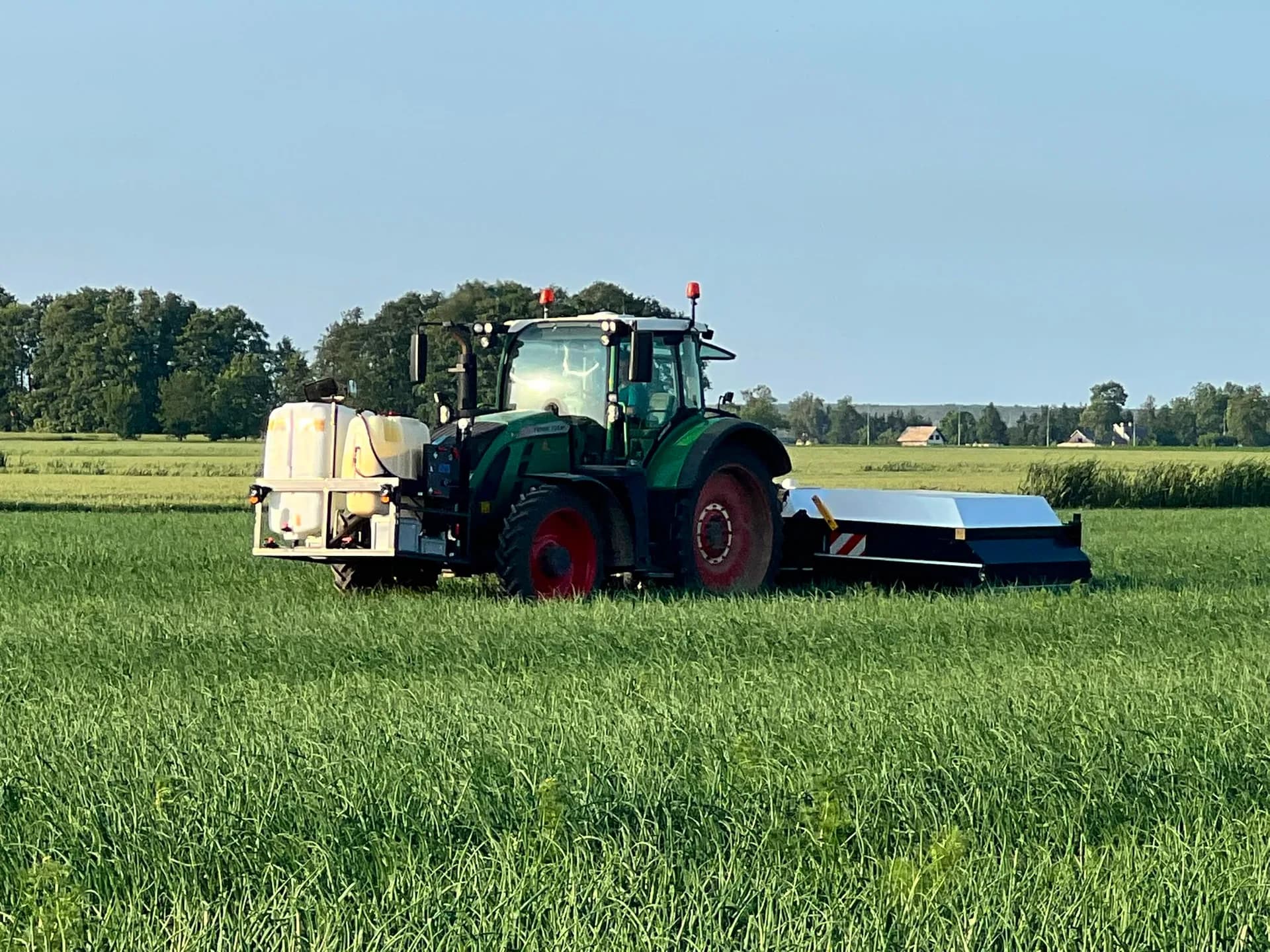
In Integrated Plant Production you do not spray just in case or by the calendar. The foundation is monitoring: regular crop inspections and counting the pests on plants, always at several points of the field.
Our rules look like this:
- Inspections during the influx season. From May we check the plants regularly, especially in weather that favours the pest: warm and dry.
- Damage threshold. The signal for a treatment is around 6 to 10 thrips per plant at the 3-5 leaf stage. A few single insects are not yet a reason to reach for chemicals.
- Scale of pressure. Our point of reference is that 150 to 170 insects per plant means on average around 40 percent yield loss. Numbers like that must never be allowed to happen.
- Rotating active substances. Thrips quickly build resistance to products, so alternating substances with different modes of action is mandatory.
The biggest mistake in fighting thrips is spraying blind, without counting the pest. Too early means unnecessary chemicals, too late means a population that no single treatment can stop any more.
What else we do besides spraying
In our approach, chemicals are the last line, not the first response. We lower thrips pressure all year round, even when there are no onions left in the field. After harvest we destroy crop residues and do deep tillage to limit the pest's overwintering sites. On top of that comes crop rotation: onions return to the same field only after years, so the pest population has nowhere to rebuild.
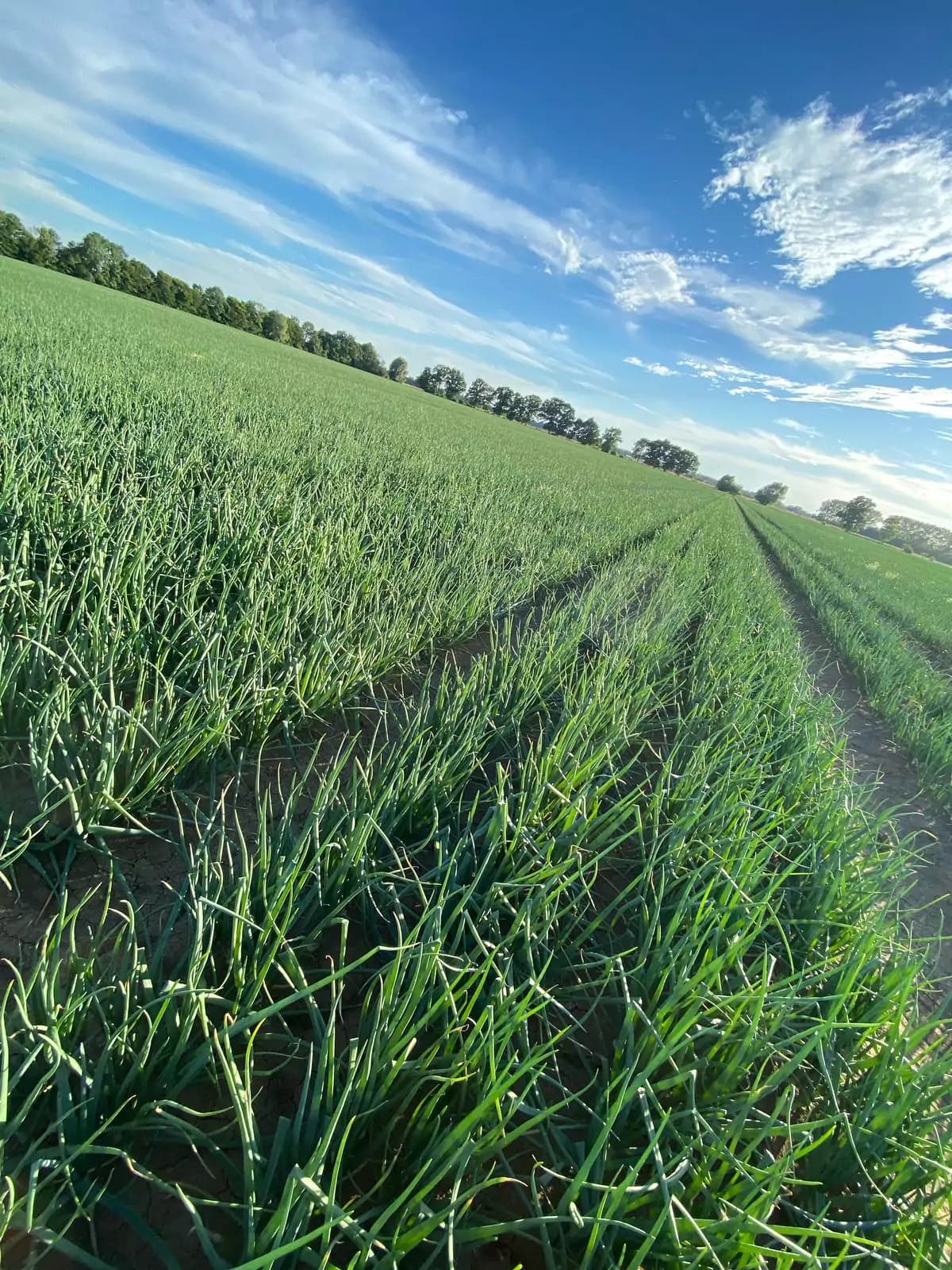
During the season itself, the condition of the crop helps. Well-fed and well-watered onions tolerate feeding damage much better than onions weakened by drought, so our fight against thrips starts with the agronomy described in our post on growing onions in Żuławy. Thrips are not the only opponent in the season anyway, we cover the rest in our overview of onion diseases and pests.
What this means for buyers of our onions
Discipline around thrips is not just about defending the yield. Fewer treatments, done exactly when they are needed, mean cleaner produce: we grow using technology with no pesticide residues, in line with the principles of Integrated Plant Production, and we confirm it with residue testing of every batch. Onions damaged by pests drop out at our sorting stage, so what travels to the buyer is healthy, uniform produce.
If you are looking for onions from a grower who runs crop protection thoughtfully and documents the results, check our onion offer or write via the contact page.
Want to know what our whole crop protection looks like, not just the fight against one pest? Have a look at our post on onion diseases and pests or ask about deliveries of onions from Integrated Production.