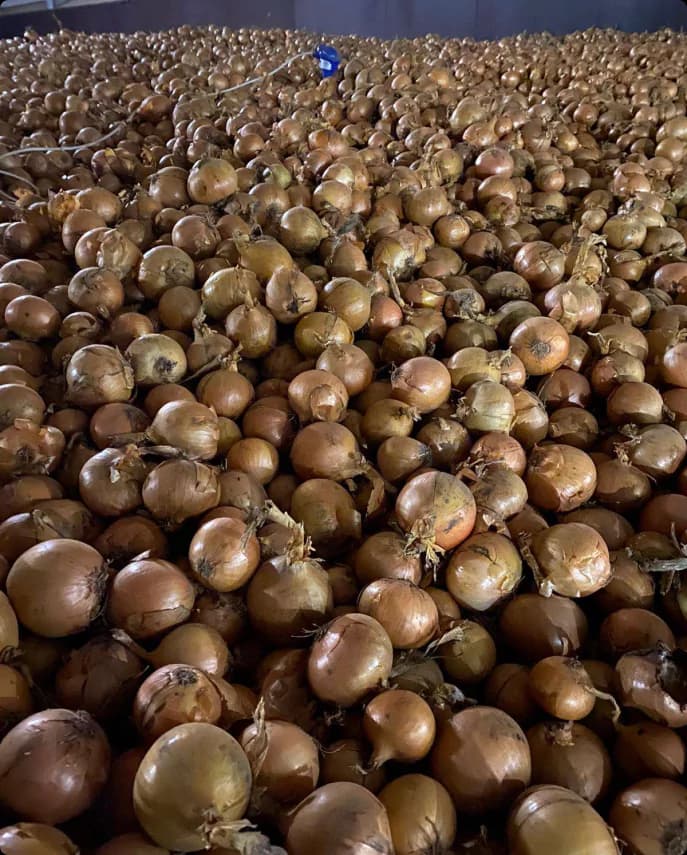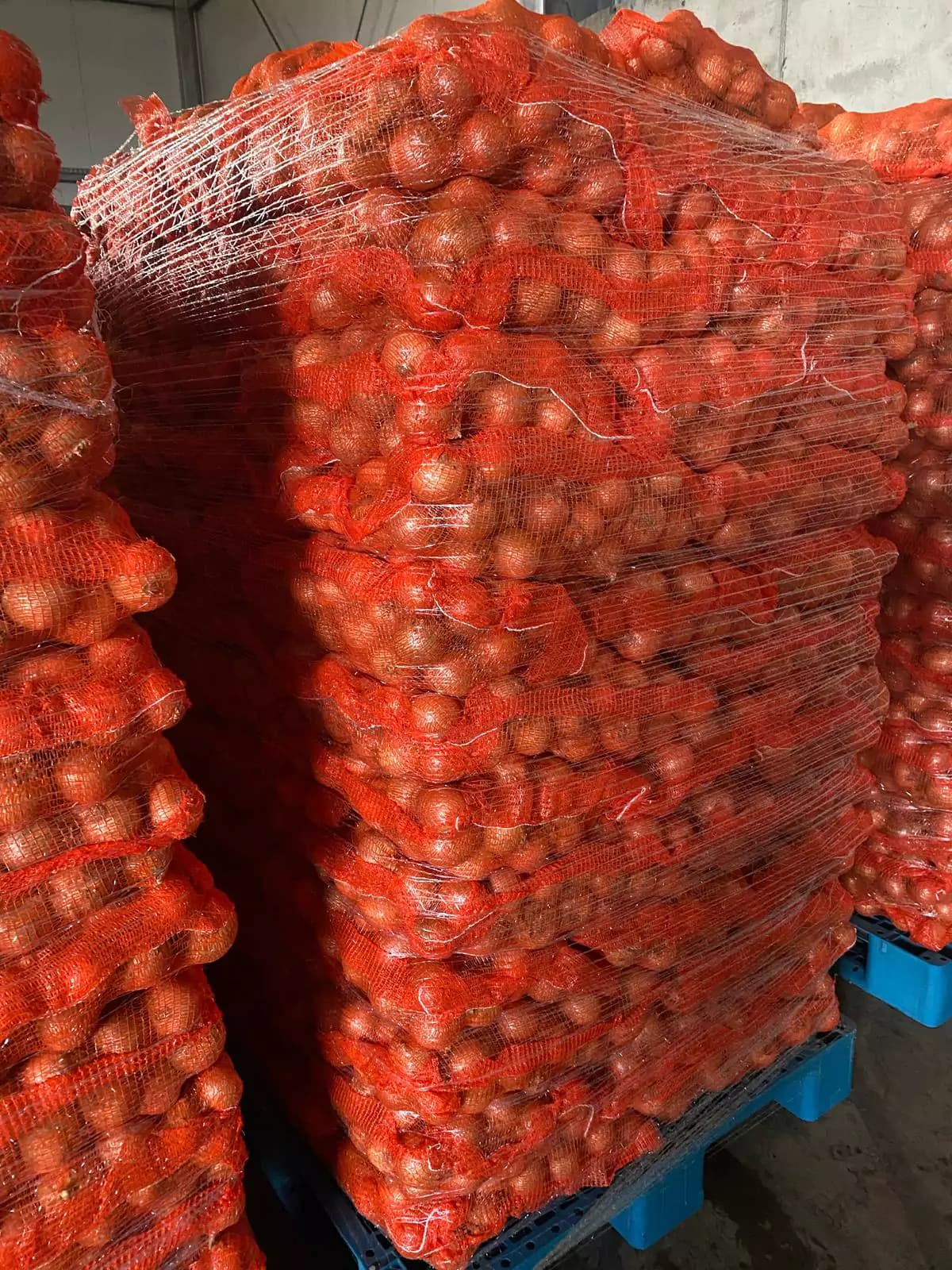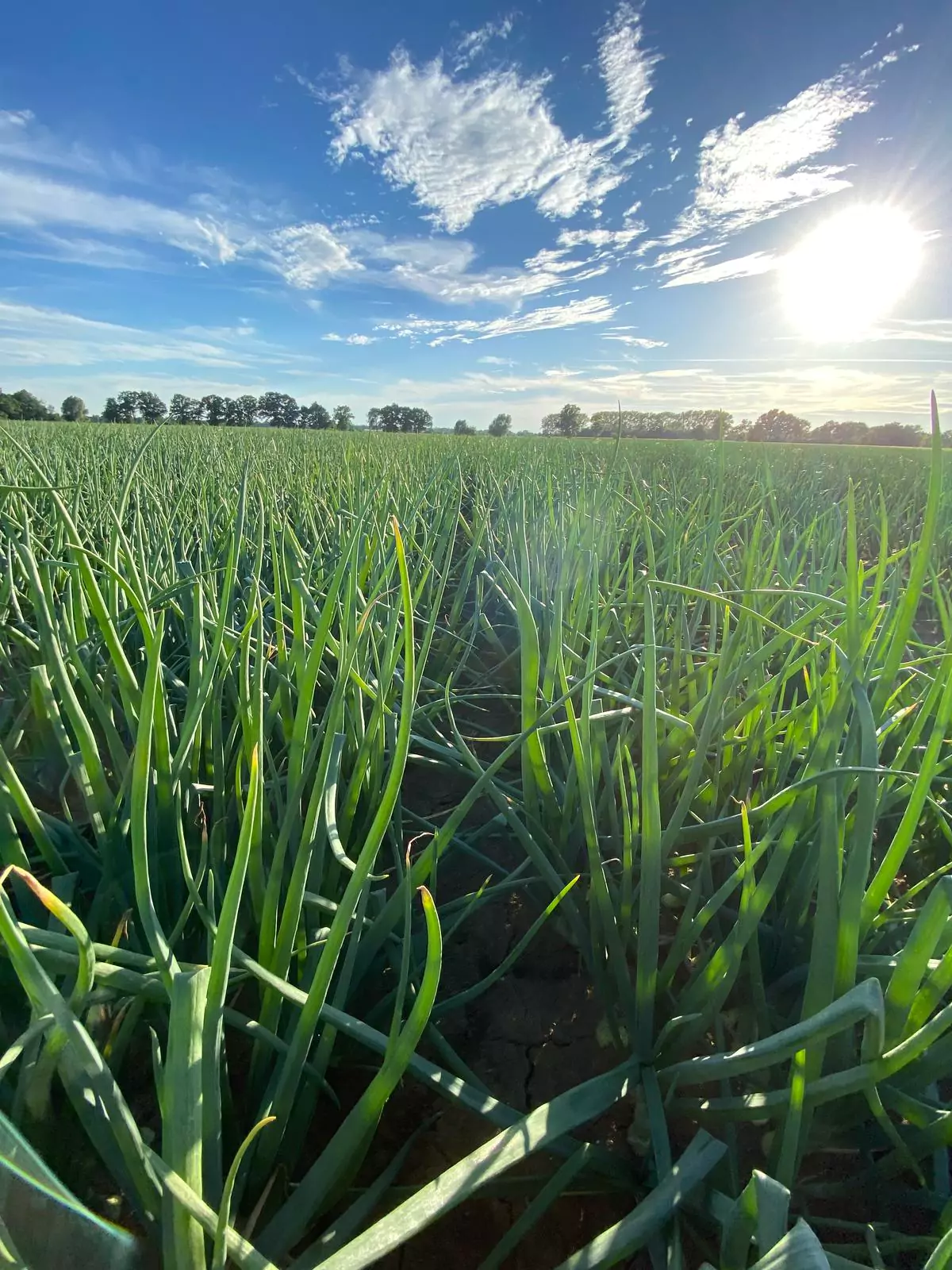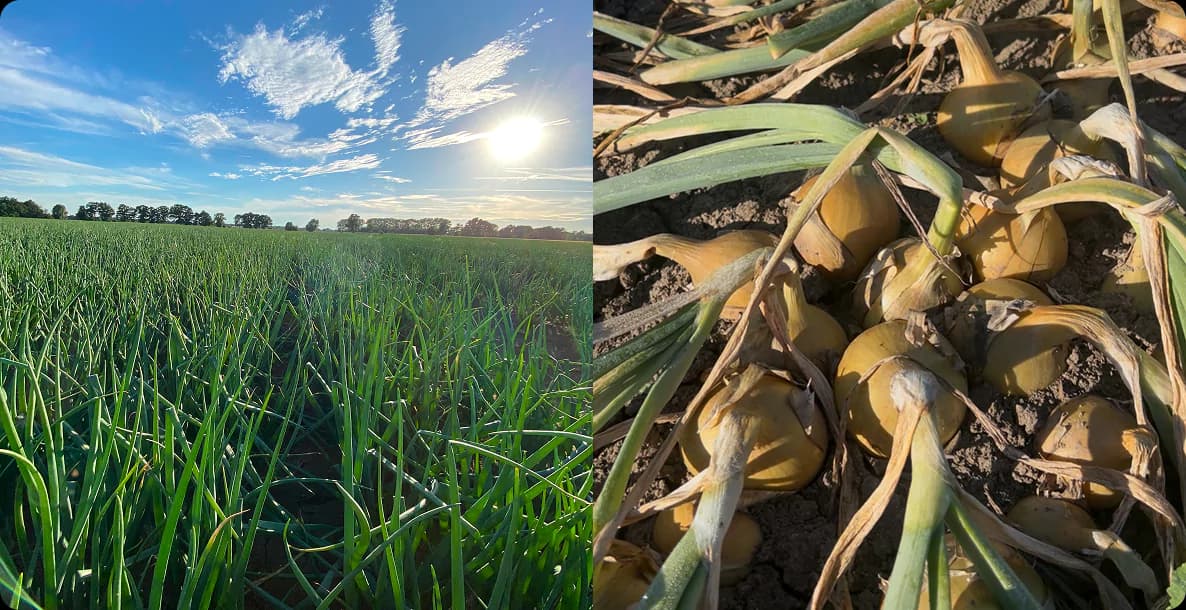
Anyone buying vegetables for a packing house or a processing plant asks one thing before asking about price: will the goods pass the tests. Our answer is short. We grow in a technology free of pesticide residues, following the rules of Integrated Plant Production, and we check every batch before it leaves the farm. Below we show what exactly we test, when we do it and what it means for the buyer.
What "free of pesticide residues" means
It does not mean we leave the crop unprotected. It means we run crop protection so that test results for the harvested vegetable are below the limit of quantification, in other words so that the laboratory does not quantify any residues of active substances in it. We do it in three ways at once: we match products and spraying dates to the withdrawal periods, we cut doses wherever they can be cut, and we verify the result in a laboratory instead of assuming it worked.
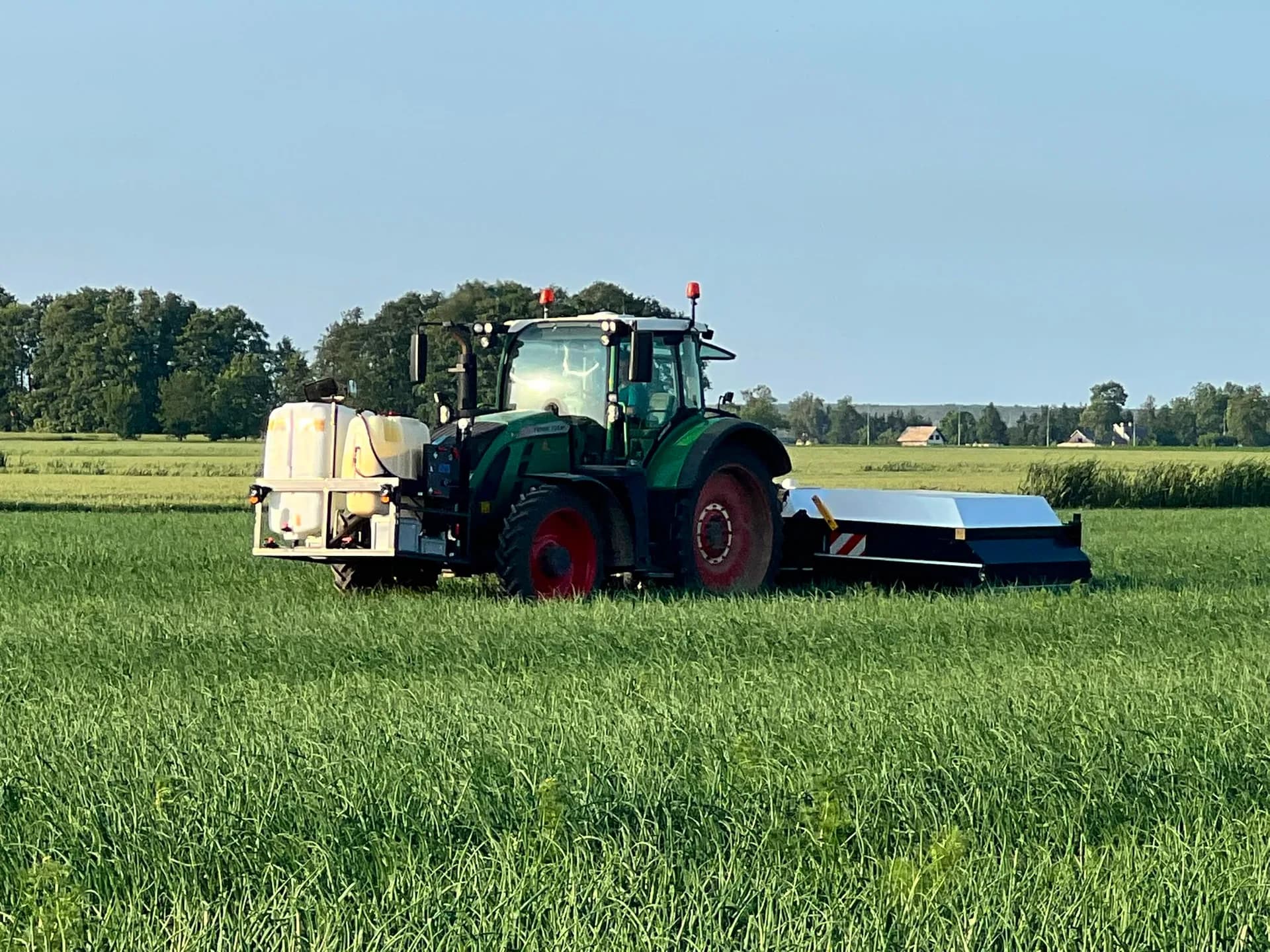
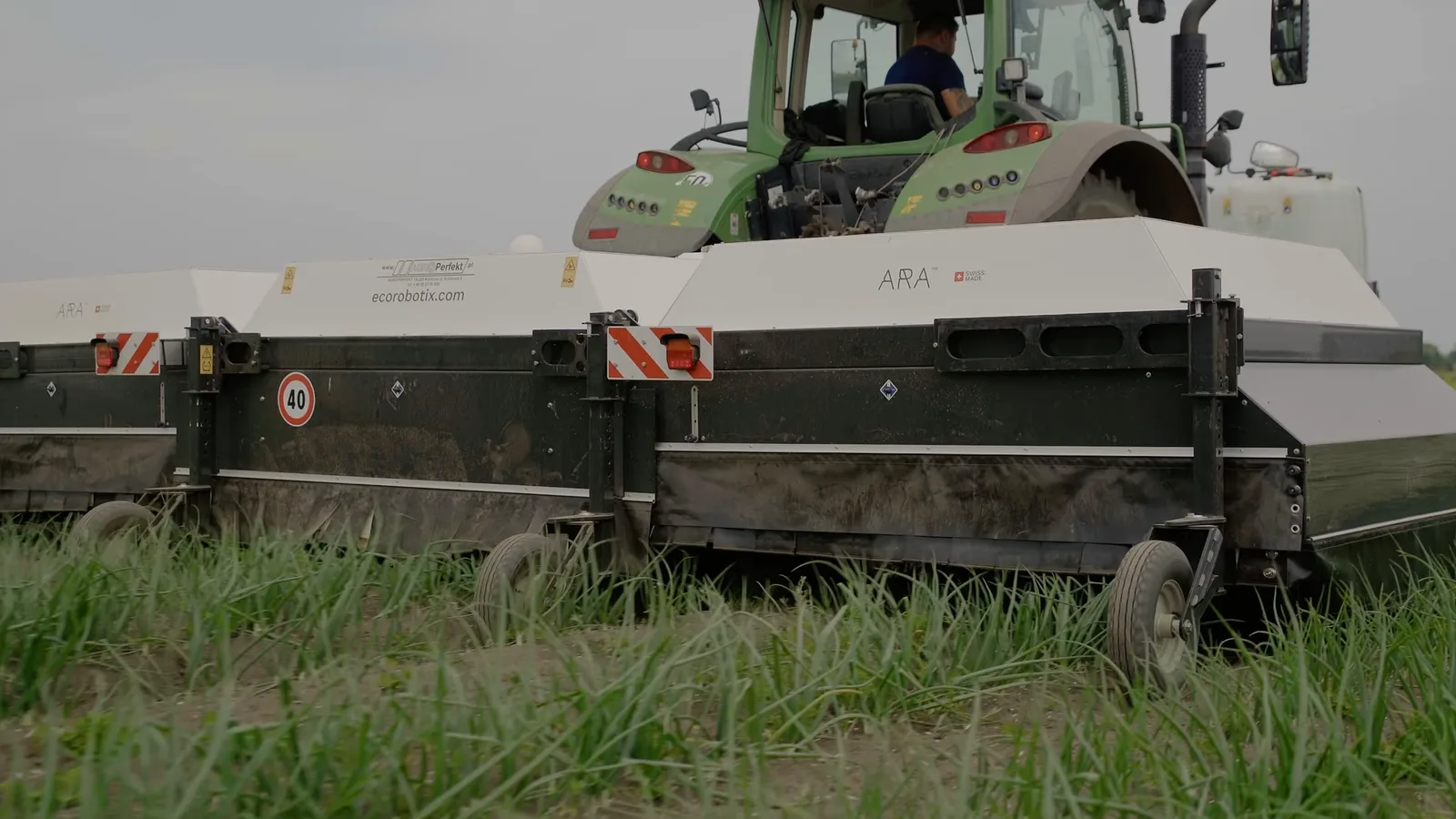
Precision does most of the work. The Ecorobotix ARA spot sprayer works on our farm permanently: a 6 metre boom, 156 nozzles, a 6 by 6 centimetre grid, cameras and artificial intelligence that recognise where the weed actually stands. Instead of flooding the whole field, the machine hits the spot. Chemical doses drop by around 70 percent while the main crop stays fully protected. Less product on the field means less product to detect in the onion. We show this and our other machines in our machinery park.
What we test in a batch
We use accredited laboratories and samples taken from a specific batch, not "from the farm in general". The scope goes beyond pesticides alone.
| What we test | What we look for | Why it matters to the buyer |
|---|---|---|
| Pesticide residues | Active substances, multi-residue screening | The entry condition for packers and processors |
| Heavy metals | Cadmium, lead and others | Food safety, a legal requirement |
| Substances hazardous to health | Contaminants from the growing environment | Risk of a batch being withdrawn from the market |
| Quality parameters | Soundness, defects, uniformity | Line throughput at the buyer, less waste |
The test result travels with the batch. The buyer does not have to take our word for it or repeat the whole package on site, although of course they may, and large buyers do so as a matter of routine.
When we test, not just whether we test
Timing matters as much as scope. A test done too early describes the field, not the goods that reach the customer. We conduct quality checks at several stages: from the field through intake into storage to release of the batch. This allows us to know what we are working with and exactly what we are sending to the buyer.
The rule is simple: we test each batch before it leaves and send test results with the goods. It makes no difference whether it is August at the peak of harvest or March.
Why Integrated Plant Production is not paperwork
We run the farm under the rules of Integrated Plant Production and we hold GlobalG.A.P., GRASP, FSA Gold (Farm Sustainability Assessment) and GMP+ certification. These are not stickers for a website. Each of them forces documentation: who worked on a given field, with what, when and at what dose. Only such a record makes a laboratory result meaningful, and if the market asks a question, we know which field a given pallet came from.
We write more about the rules themselves in our post on Integrated Plant Production, and about what the certificate gives the buyer in our post on GlobalG.A.P. from the buyer's point of view.
What the buyer gets out of it
Three things. First, predictability: they know what they will receive before it reaches their ramp. Second, lower risk: a batch with a result is a batch that does not have to be recalled. Third, time: they do not have to hold the goods in quarantine while waiting for their own tests from scratch.
That is why our vegetables go to large packing houses and processing plants, including partners such as Onix, Farm Frites and FreshPol, who supply the biggest retail chains and processors in Poland and Europe. How the commercial side of that works, we describe in our post on selling onions wholesale.
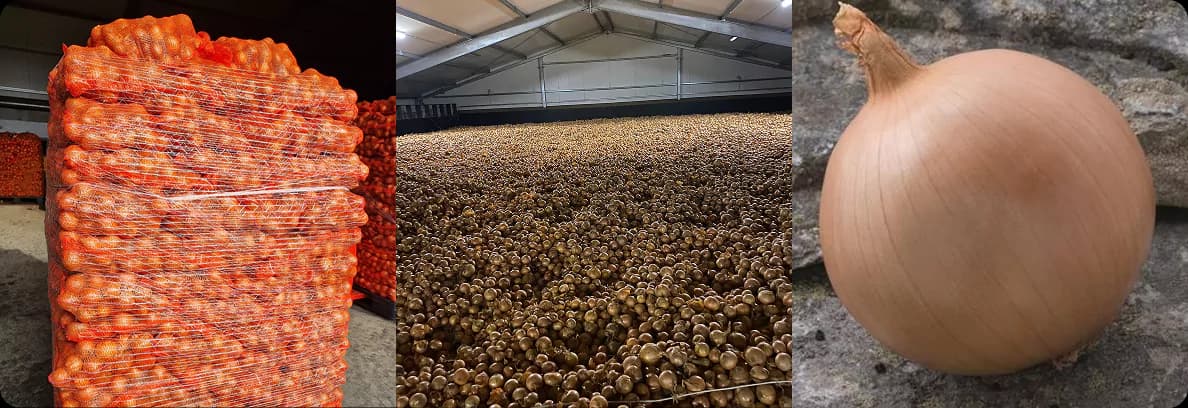
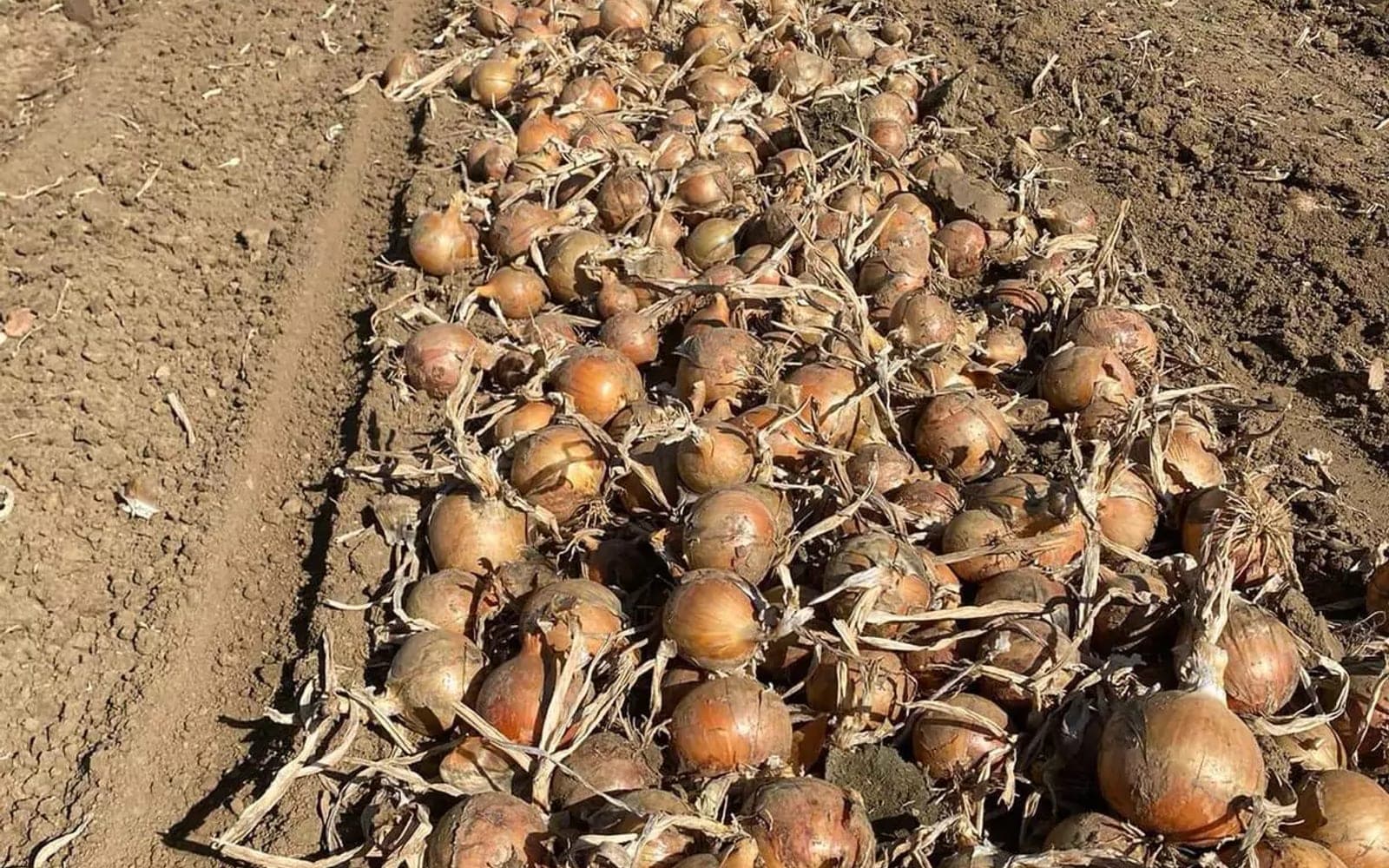
We grow about 250 hectares of onions, alongside potatoes, red beetroot, green peas and cereals, across more than 800 hectares of Zulawy land. At that scale, testing is not an extra. It is the condition for talking to a serious buyer at all. Take a look at our onion offer; we calculate the price from current market prices, the size fraction and the packaging. Write to us through the contact page and we will send back the range of tests we hold.
Need goods with full test documentation? Take a look at our onion offer or write through the contact page.