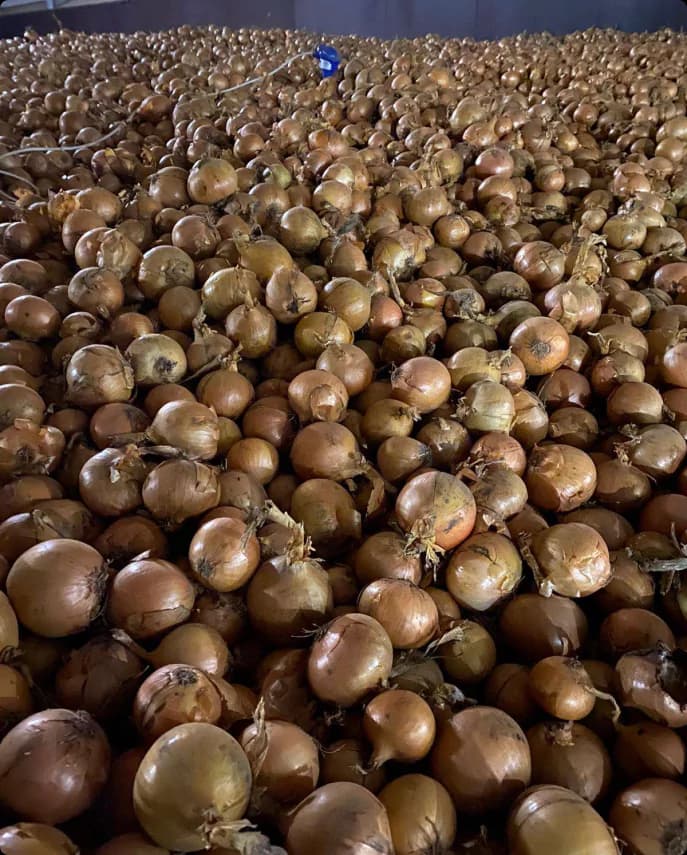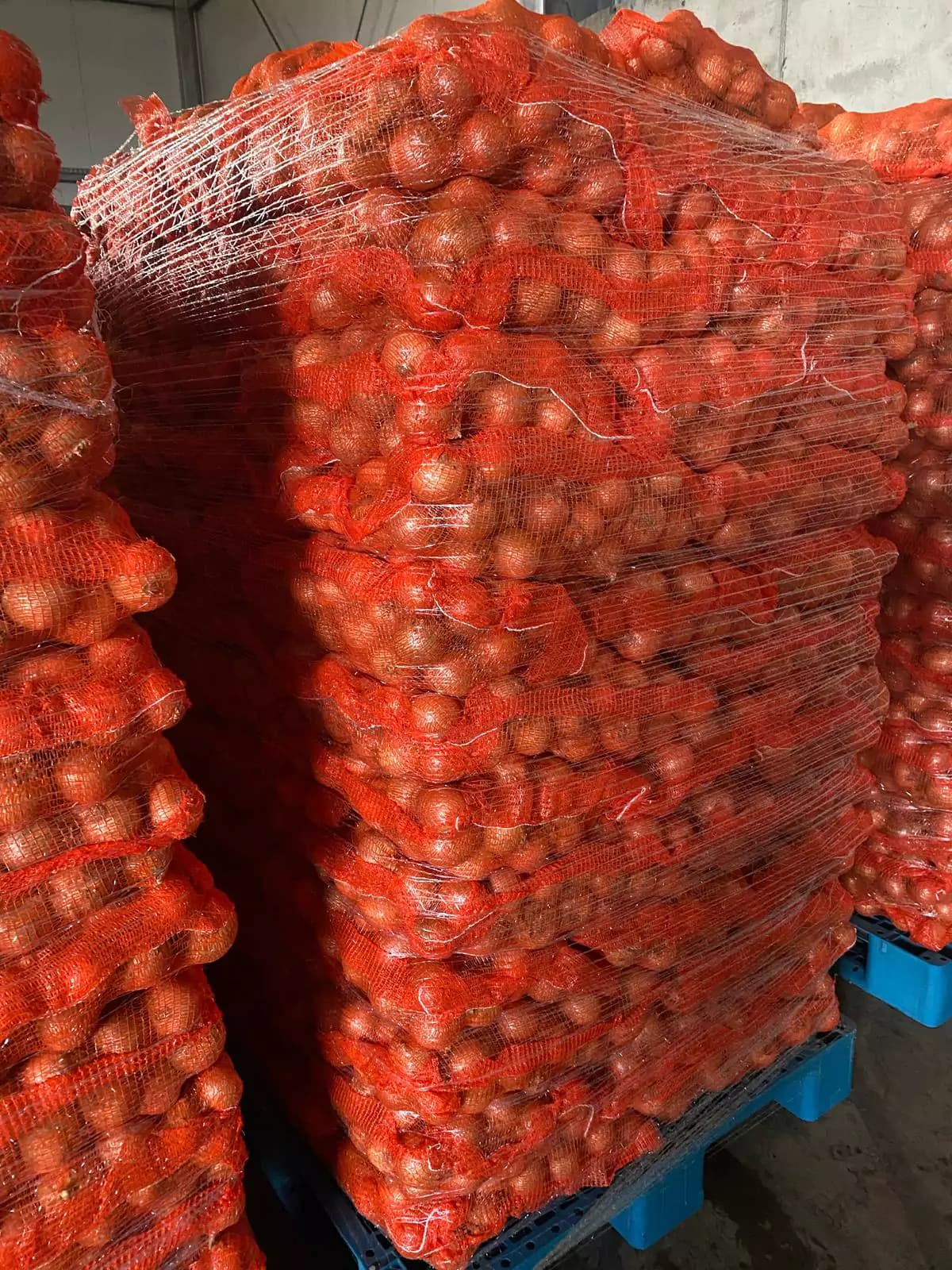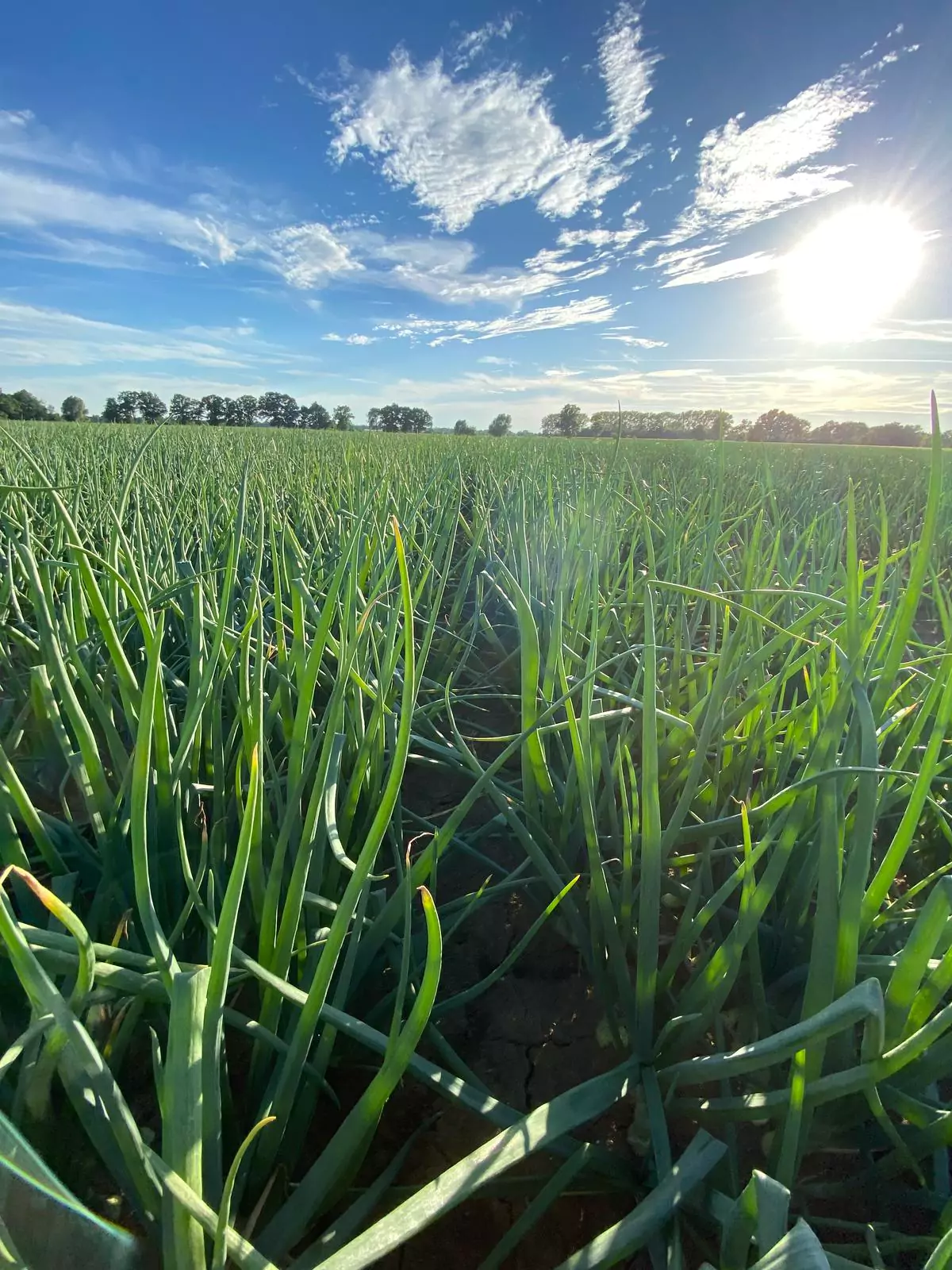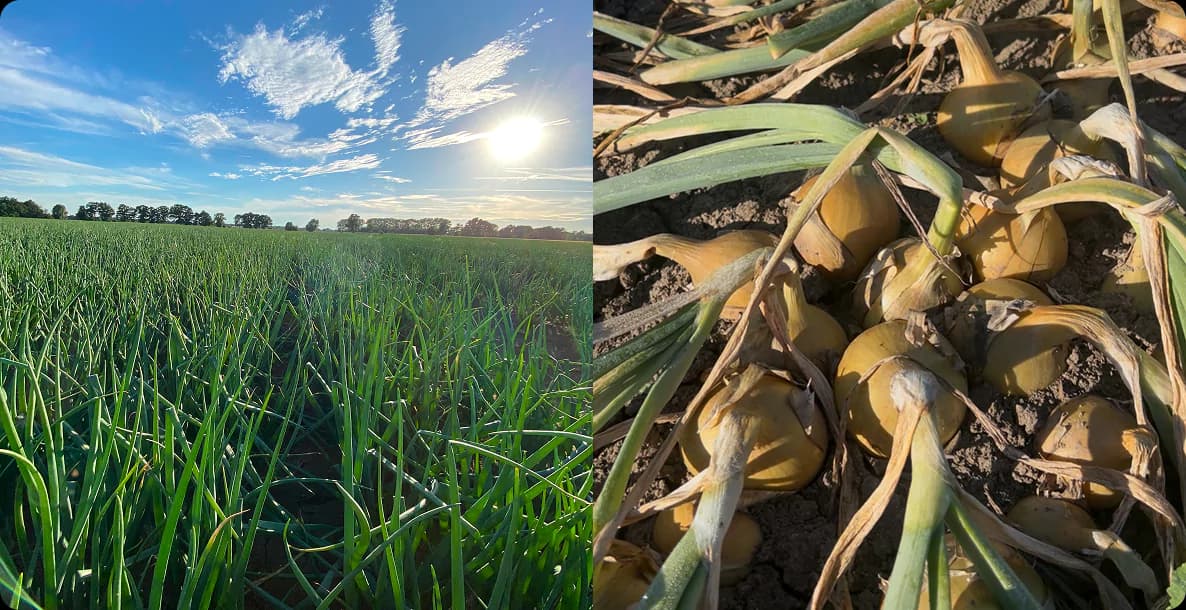
Integrated Crop Production sounds like a formal note on a label, yet behind it stands something simple: we grow with a plan, not blindly. For a buyer of onions or potatoes it is a signal that crop protection and fertilisation were done deliberately, under control and with documentation. In this post we explain what Integrated Crop Production is, how it works in practice and what the system takes off the buyer's plate.
What Integrated Crop Production is
Integrated Crop Production (ICP) is a national, voluntary quality system in agriculture. It combines modern crop protection with care for human health and the environment. A farm that wants to grow under ICP works to strictly defined rules, keeps records, and finally passes an inspection and testing, after which the crop can receive a certificate of conformity.
Put simply, ICP makes sure that plant protection products and fertilisers are used only when they are really needed, in a reasonable dose, and in a way that can be checked afterwards. It is not a ban on crop protection but a discipline in how it is used. We run the whole farm to these principles, and on top of that we hold the GlobalG.A.P., GRASP, FSA Gold (Farm Sustainability Assessment) and GMP+ certificates.
How it works in practice
ICP rests on a few pillars that together form a coherent way of farming. We gather the key ones in the table below.
| ICP pillar | What it means in the field |
|---|---|
| Crop rotation | Onions return to the same field only after several years, the soil rests |
| Monitoring | We watch the field and the pressure of pests and disease before we reach for a product |
| Damage thresholds | We treat when the threat truly crosses a threshold, not preventively |
| Reasoned fertilisation | We match the dose to the plant's needs and the soil's supply |
| Documentation | Every treatment is recorded: what, when, on which field and why |
Two things are key: observation and threshold. In ICP we do not spray up front, just in case. First we look at what is really happening in the field, and we treat only when the threat crosses a level that justifies stepping in. This limits the number of treatments and the use of products while still protecting the yield.
The second pillar is crop rotation. Onions are demanding and do not tolerate being grown after themselves, so with us they rotate with potatoes, beetroot and cereals. This keeps the soil structure intact and lowers pest and disease pressure without reaching for chemistry. How our whole crop looks from sowing to harvest we describe in the guide on how we grow our onions.
ICP, GlobalG.A.P. and GRASP: how they fit together
Buyers often confuse these three, because with us they go together. Each answers a different question, though, and it is worth separating them.
| Element | What question it answers |
|---|---|
| GlobalG.A.P. | whether the vegetable is safe and where it comes from |
| GRASP | whether the people working with it work in good conditions |
| Integrated Crop Production | whether protection and fertilisation are run with a plan, not blindly |
Together they give the full picture: a safe vegetable, produced in fair conditions, with protection run deliberately. What exactly the GlobalG.A.P. auditor checks and what the certificate gives the buyer we break down in a separate post on the GlobalG.A.P. certificate. The GRASP module and working conditions we explain in the post on the GRASP certificate.
How this looks with us
ICP is not a piece of paper for the drawer but a daily practice at the scale we run. We farm over 800 ha, including around 400 ha of vegetables and ~250 ha of onions. At that volume, protection run without a plan would be both costly and risky for quality.
We combine the principles of Integrated Production with precision farming. Variable rate lets us put fertiliser exactly where the plant needs it, and not waste it where there is enough. It is the same philosophy as in ICP: a reasonable dose in the right place.
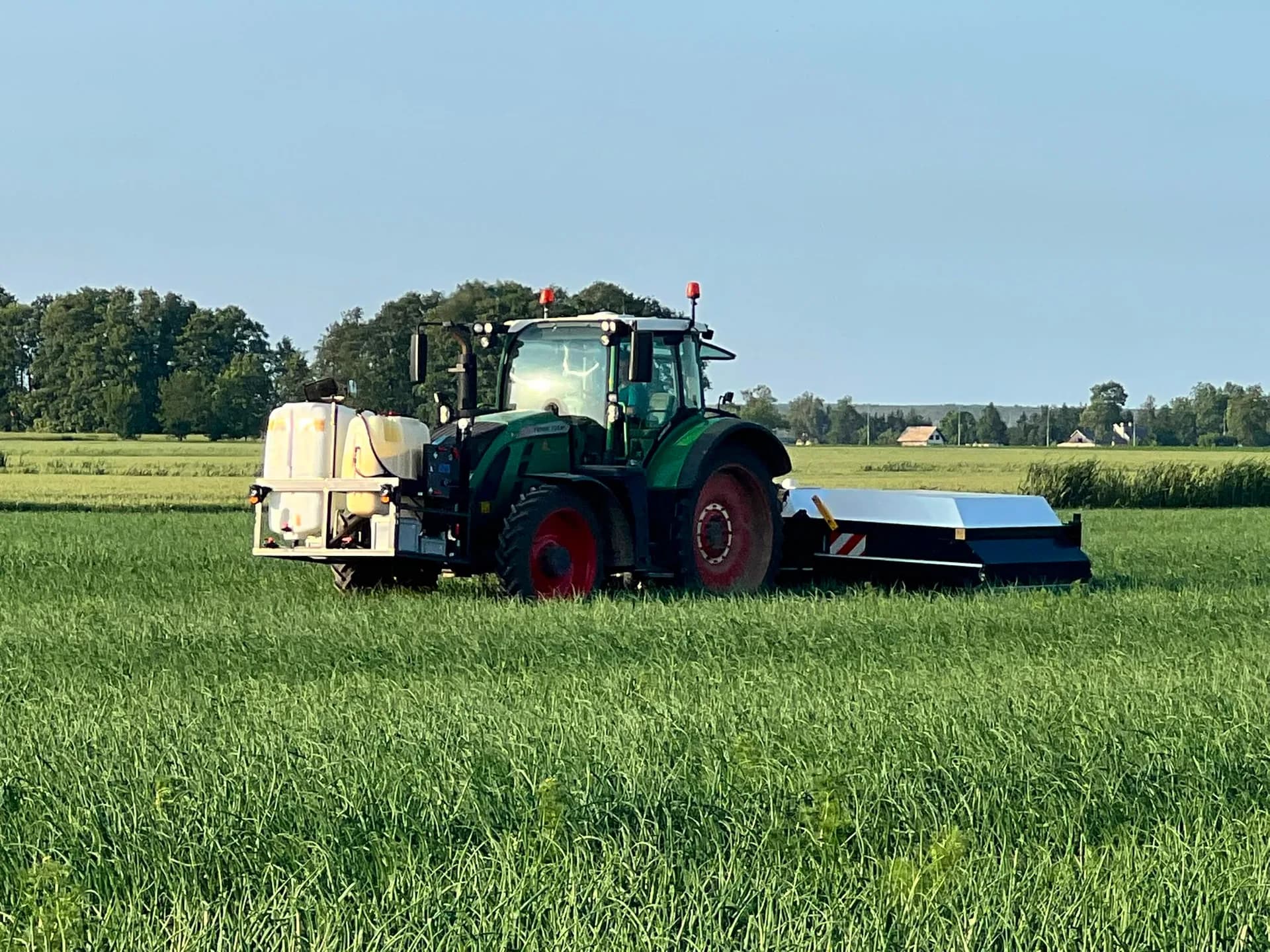
The wet 2025 season is a good example. Strong pressure from secondary weeds forced more frequent treatments, but instead of raising doses we use the Ecorobotix ARA spot sprayer in which cameras detect weeds and spray only them, sparing the crop plant. That is exactly the spirit of ICP: protect the yield while using as little product as possible. How we match doses to a specific part of the field we describe in the post on variable rate in practice.
At the end comes control. We check every batch, and the produce goes through analyses for pesticide residues, heavy metals and substances hazardous to health. We grow using a zero pesticide residue approach, following Integrated Plant Production standards. This is the part the buyer does not see, yet it really stands behind the certificate.
What it means for the wholesale buyer
For packers and processors ICP is a concrete benefit, not another abbreviation on paper. The buyer gets three things at once:
- Produce protected reasonably, with protection run in line with the label and pre-harvest intervals.
- Full traceability: every batch can be traced back to a specific field and season.
- Records of treatments that withstand a large buyer's inspection and their own audits.
Our vegetables reach market leaders such as Onix, Farm Frites and FreshPol, partners supplying the largest retail chains and processing plants in Poland and Europe. For such buyers an orderly way of production is a condition of entry. We calculate the price based on current market rates, and settle the details individually. You will find our onions and other vegetables in our onion offer.
Looking for a supplier of vegetables grown to clear rules? Write to us via the contact page or see how we grow our onions.