GlobalG.A.P. is a label a vegetable buyer sees everywhere, yet few people explain what really stands behind it. For a buyer of onions or potatoes it is not a sticker but proof that the way the crop was grown has been checked by someone independent. In this post we explain what GlobalG.A.P. is, what the auditor assesses and what the certificate takes off the buyer's plate.
What GlobalG.A.P. is
GlobalG.A.P. is an international standard of Good Agricultural Practice. It sets common rules for safe and responsible production that vegetable buyers across Europe rely on. A farm that wants it goes through an audit run by an independent certification body, and renews the certificate every year.
Put simply, it is a shared language between the grower and the buyer. Instead of explaining to each buyer separately how we work, we show a certificate that says it for us in a verifiable way. We hold GlobalG.A.P. together with the GRASP add-on, plus the FSA Gold (Farm Sustainability Assessment) and GMP+ certificates. We run the whole farm according to the principles of Integrated Crop Production.
What the auditor really checks
GlobalG.A.P. does not assess declarations but documents and practice in the field and in storage. The auditor works through specifics: where a batch comes from, how it was protected, how it is stored. We gather the key areas in the table below.
| Area | What it means in practice |
|---|---|
| Food safety | control of pesticide residues, hygiene at harvest and packing |
| Traceability | every batch can be traced back to the field and season |
| Environment | sensible fertilisation, protection of soil and water, waste management |
| Crop protection | products used per label and within pre-harvest intervals |
| Working conditions | health and safety of people at harvest and packing (GRASP module) |
The crucial word here is the last but one: traceability. Without it the certificate is empty. On our farm every batch of onions has its path from a specific field, through storage, to the pallet at the buyer. If a buyer asks about the origin of the goods, we have an answer, not guesswork.
What the certificate gives the buyer
A vegetable buyer no longer buys the goods alone. The retail chains and processing plants served by our partners hold suppliers accountable for how the raw material was produced. GlobalG.A.P. takes three real risks off the buyer.
First, the risk of quality and safety. The certificate means that the use of plant protection products and hygiene were under control through the whole season, not just on paper. Second, the risk of no proof of origin. A large buyer must know where the goods come from, and gets that directly. Third, the risk of a reputational slip. Buying from a certified farm, the buyer does not have to take our word for it; there is an audit behind it.
Our vegetables reach market leaders such as Onix, Farm Frites and FreshPol, partners supplying the largest retail chains and processing plants in Poland and Europe. For such buyers GlobalG.A.P. is a condition of entry, not a nice extra.
GlobalG.A.P., GRASP and Integrated Production, how they fit together
These three things go together on our farm, but each answers a different question. It is worth keeping them apart, because buyers sometimes mix them up.
| Element | Which question it answers |
|---|---|
| GlobalG.A.P. | is the vegetable safe and where does it come from |
| GRASP | do the people working with it have good conditions |
| Integrated Crop Production | are protection and fertilisation done thoughtfully, not blindly |
Together they give a fuller picture than any one alone: a safe vegetable, produced in fair conditions, with protection handled consciously. We break down the GRASP module itself and how it shapes supplier choice in a separate post on the GRASP certificate.
How it looks on our farm
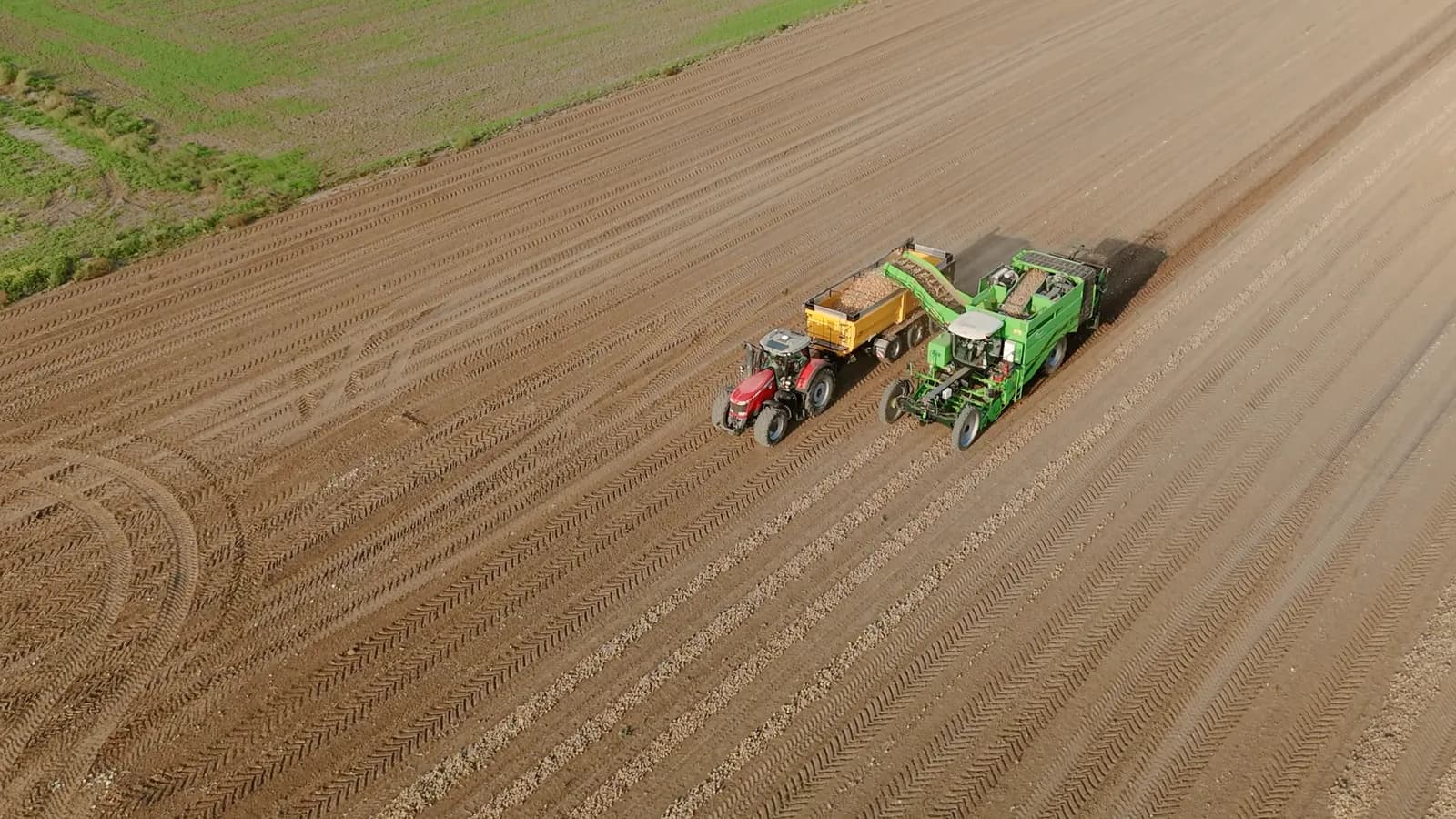
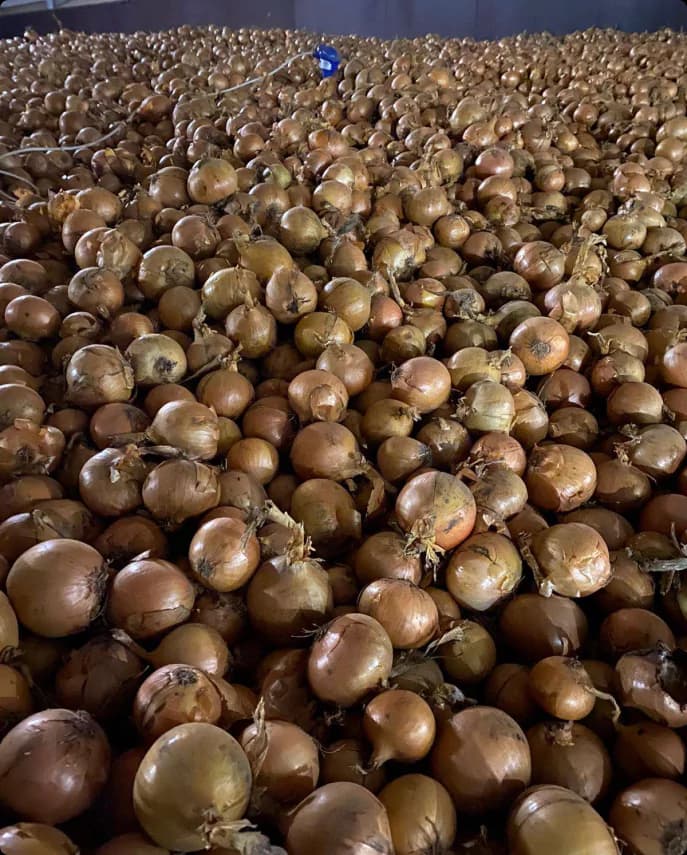
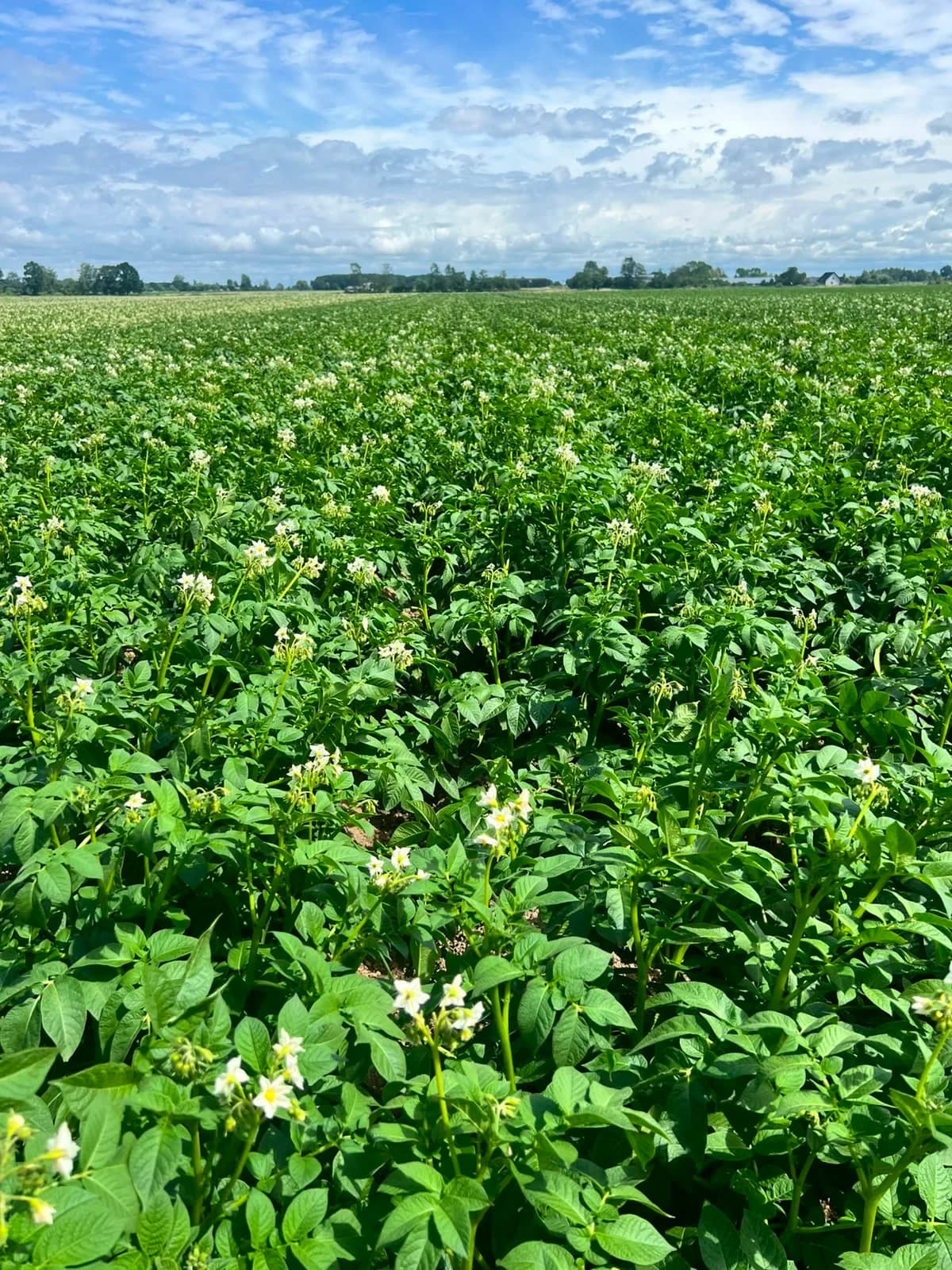
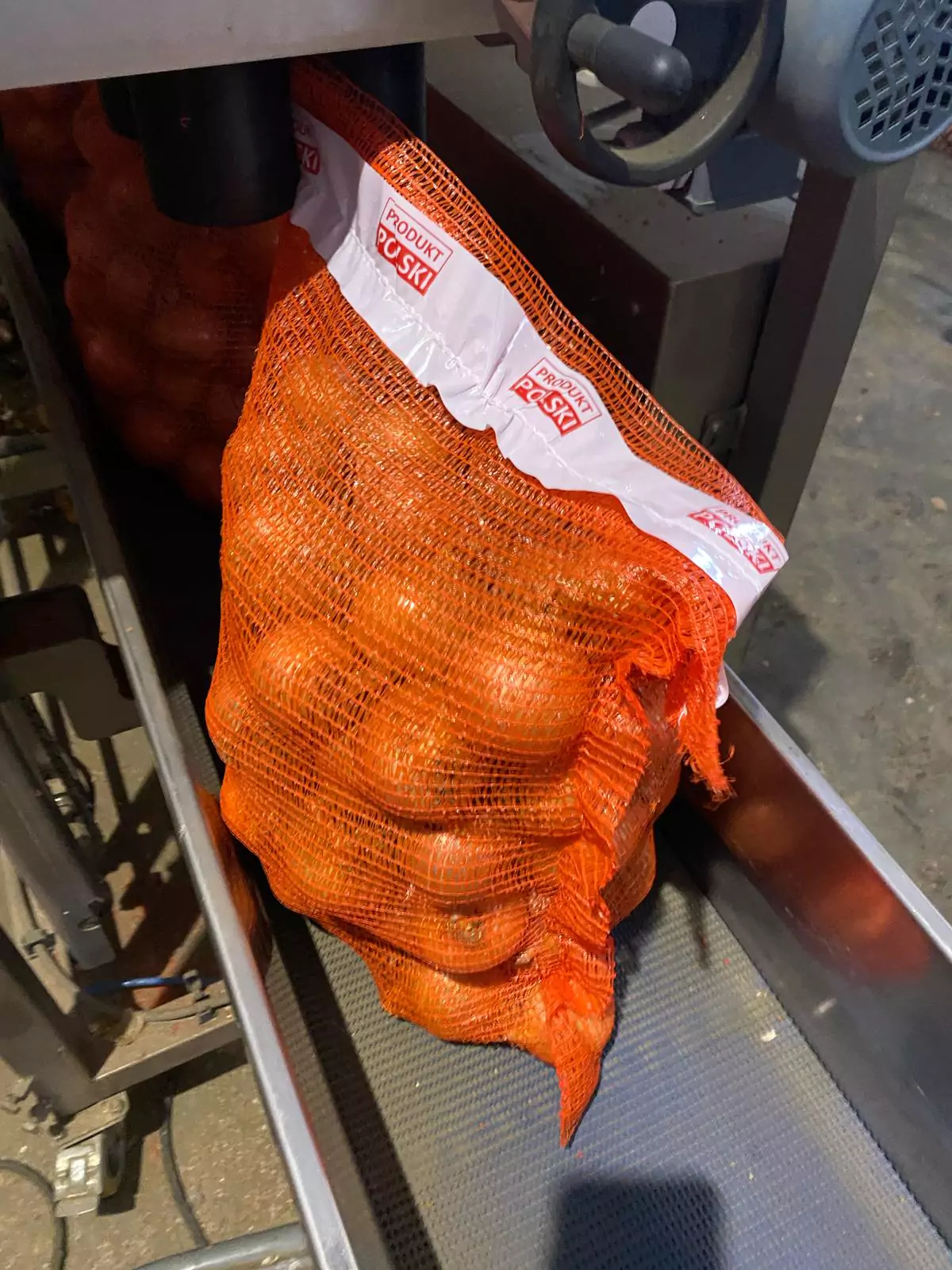
GlobalG.A.P. is not a paper for the drawer but a daily discipline at the scale we run. We farm over 800 ha, including around 400 ha of vegetables and ~250 ha of onions. We have our own storage for 13,000 tonnes and an automated packing line. At that volume you cannot move goods consistently without ordered rules and documentation.
On top of that comes constant quality control. We check every batch and test the goods for residues of plant protection products, heavy metals and substances harmful to health. We grow using a zero pesticide residue approach, following Integrated Plant Production standards. This is the part the buyer never sees, yet it stands behind the certificate. How we care for quality from field to pallet we describe in growing onions in Zulawy and in onion storage. How the trade itself and delivery formats work we write in the post on wholesale onions from Zulawy.
Looking for a vegetable supplier with a full set of certificates? Write through the contact page or see the onion offer.