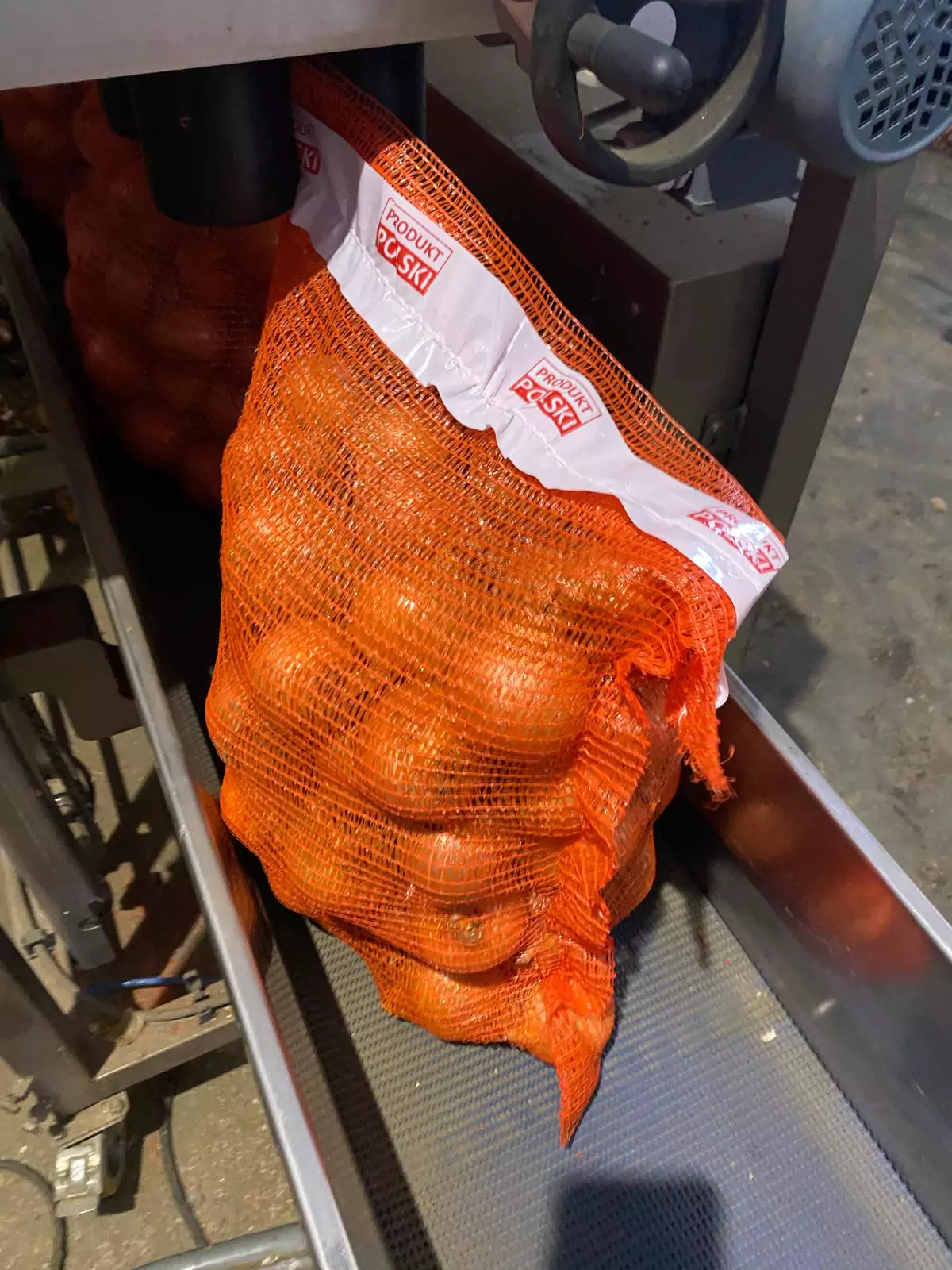
The PPWR, Regulation (EU) 2025/40 on packaging and packaging waste, applies from 12 August 2026, but onion net sacks did not disappear from the market that day. The provision that matters most for onions, the ban on single-use plastic packaging for pre-packed vegetables under 1.5 kg, does not start under the regulation until 1 January 2030, and it may carry national exemptions. We pack onions in net sacks and big bags, so below we separate what the PPWR changes for deliveries like ours from what it changes for packers who fill small nets.
What the PPWR is and when it applies
PPWR stands for Packaging and Packaging Waste Regulation. The regulation entered into force on 11 February 2025 and applies from 12 August 2026. From that date, Directive 94/62/EC, which national packaging rules had rested on until then, ceased to apply, apart from a handful of transitional provisions (PPWR, Article 70(1)).
The regulation applies directly in every EU country, without being transposed into national law. Many of its obligations, though, only start later, once the Commission adopts delegated and implementing acts. It covers every kind of packaging, regardless of material, including packaging used in trade between businesses (PPWR, Article 2(1) and Article 3(1)(1)). A net sack, a big bag and a pallet are all packaging as the regulation defines it.
Dates that matter for onion trade:
| Date and provision | What happens |
|---|---|
| 12 August 2026 (PPWR, Articles 70 and 71) | the regulation starts to apply; Directive 94/62/EC ceases to apply, apart from a handful of transitional provisions |
| by 12 February 2027 (PPWR, Article 25(6)) | the Commission publishes guidelines with a non-exhaustive list of fruit and vegetables exempted from the ban |
| from 12 August 2028 or later (PPWR, Article 12) | a harmonised label on material composition, excluding transport packaging |
| 1 January 2030 (PPWR, Article 25 and 29, Annex V point 2) | ban on single-use plastic packaging for pre-packed vegetables under 1.5 kg; reuse targets for transport packaging |
On the label, the PPWR itself sets 12 August 2028 or 24 months after the implementing acts, whichever is later, so this date may still shift.
The ban under 1.5 kg: who it covers
Annex V, point 2 covers "single-use plastic packaging for less than 1.5 kg pre-packed fresh fruit and vegetables." It lists nets, bags, trays and containers by name as examples.
The threshold is based on the weight of the goods inside the packaging. A net holding 1 kg of onions falls under the ban. A 1.5 kg, 2 kg or 3 kg net does not, because the provision covers packaging for less than 1.5 kg.
A net made of polypropylene or polyethylene counts as plastic under the regulation. Only natural polymers that have not been chemically modified are excluded from the definition of plastic (PPWR, Article 3).
The ban is not absolute. The regulation lets member states introduce exemptions where it has been demonstrated that packaging is necessary to avoid loss of water or firmness, microbiological hazards, mechanical damage or oxidation, or to avoid mixing organic produce with conventional produce. Onions are not named in the regulation. The Commission's guidelines are meant to give an indicative, non-exhaustive list, and the decision on exemptions rests with member states.
As of late September 2026, the Polish draft act on packaging and packaging waste, meant to align national law with the PPWR, had not yet been adopted by the Council of Ministers. So it is not yet known whether, or what, exemptions Poland will introduce.
What it means for sacks and big bags
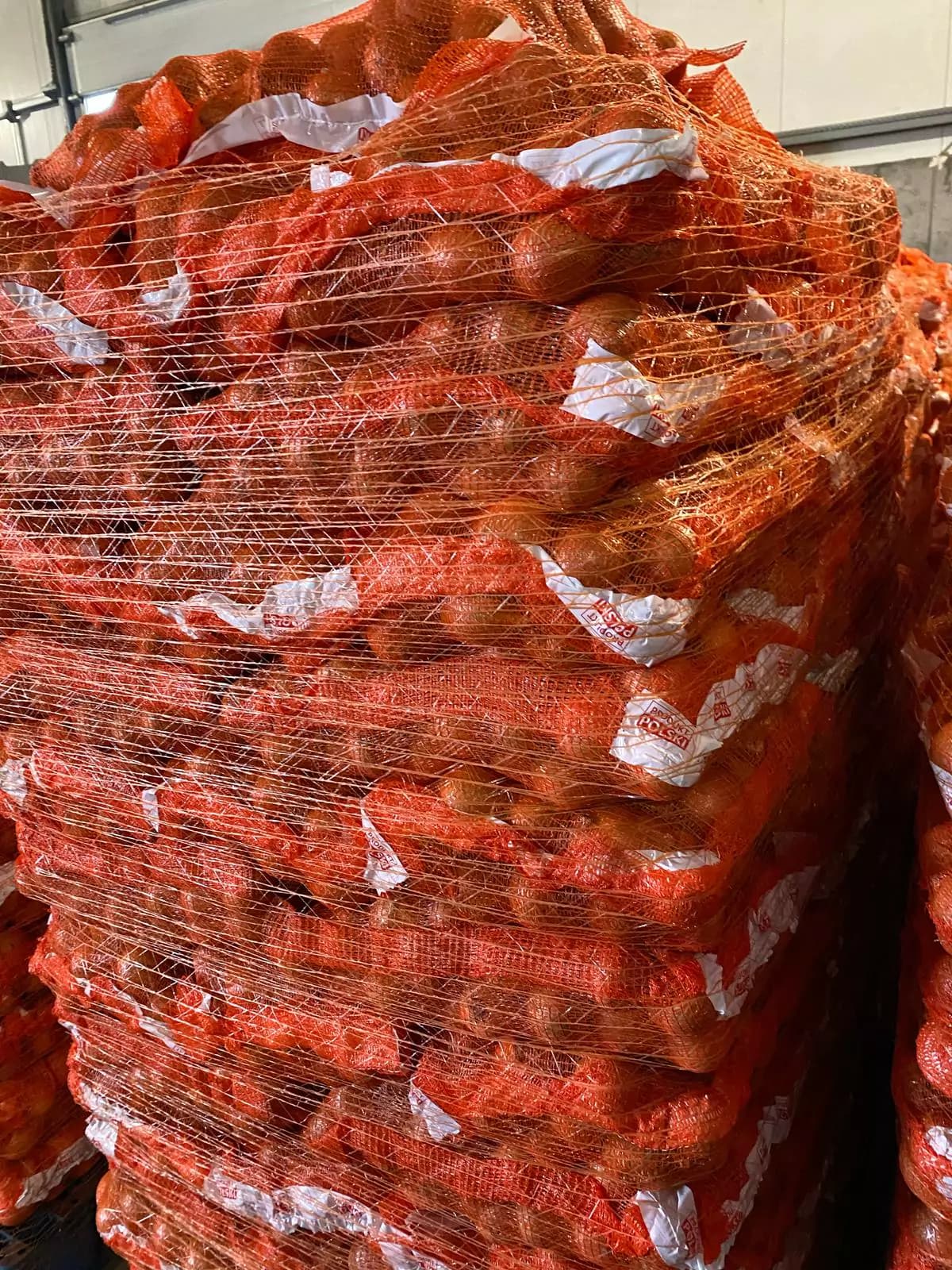
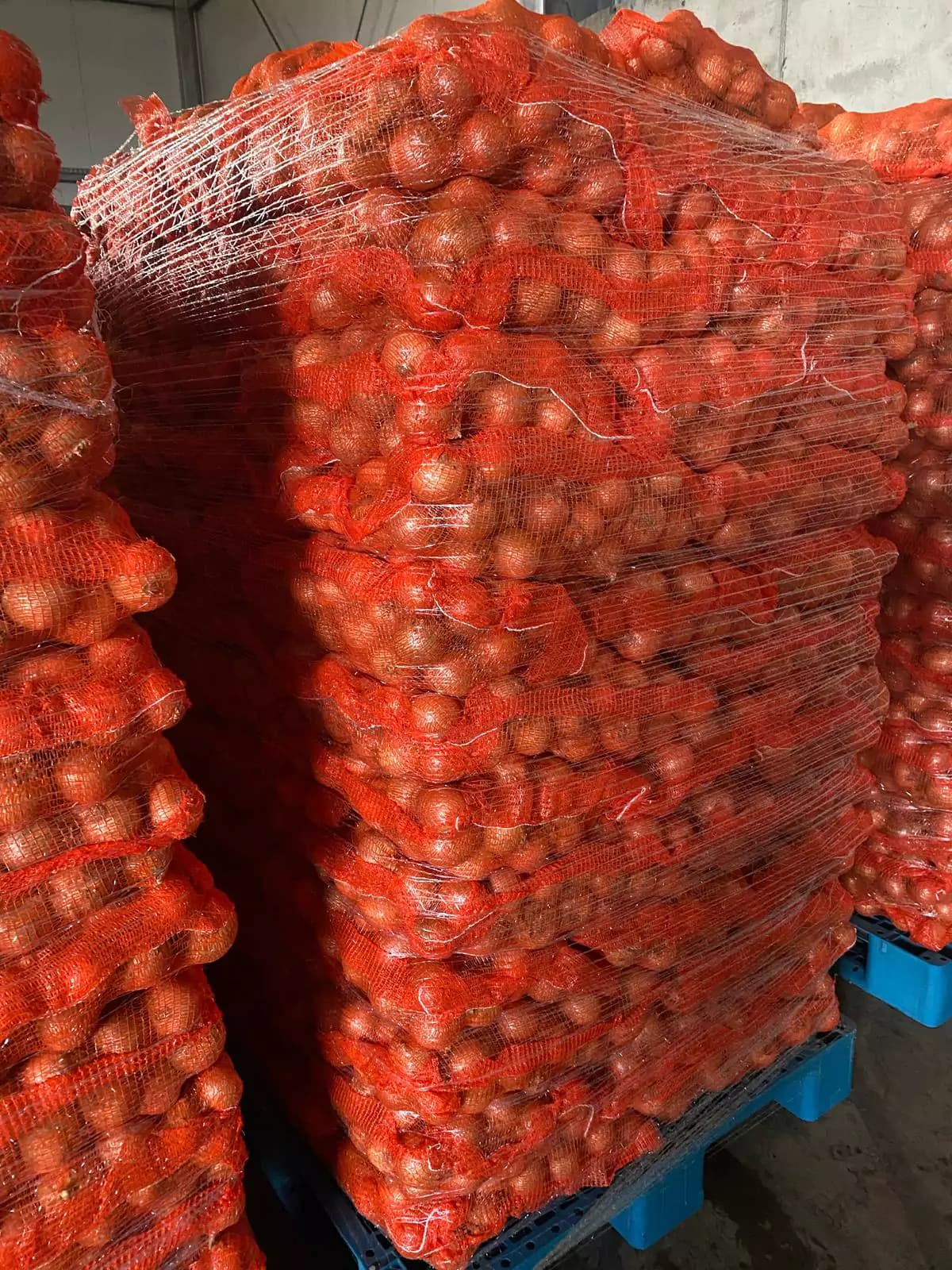
We dispatch onions loose, in big bags, most often around 1000 kg in our case, and in net sacks of 10, 15 and 25 kg. We describe these delivery forms in our post on loose, big bag or sacks. Here is how each one stands under the PPWR:
| Delivery form | Ban under Annex V | What to keep in mind |
|---|---|---|
| Loose | does not apply, no packaging | the load depends on the trailer, not on packaging |
| Big bag, around 1000 kg | does not apply, above 1.5 kg | flexible transport packaging in direct contact with food is excluded from the reuse targets (PPWR, Article 29(4)(c)) |
| Net sacks, 10, 15 and 25 kg | does not apply, above 1.5 kg | the regulation's general requirements still apply, such as the rule that packaging must be recyclable (PPWR, Article 6) |
| Nets under 1.5 kg at packers | covered from 1 January 2030 under the PPWR, unless a member state introduces an exemption | plan a change in weight or material |
Our formats are outside the ban, then. That does not mean the PPWR does not concern us. Sacks and big bags are packaging, so the regulation's general requirements will cover them too, including recyclability and producer responsibility rules, which the new Polish act will spell out in more detail.
Rules for pallets will change too. Under PPWR Article 29(3), from 2030 pallets used to deliver goods to another business in the same country are meant to be reusable packaging within a reuse system. The provision allows exemptions, among others for micro-enterprises. We describe how we stack and secure pallets today in our post on onion transport and palletising.
What we recommend to packers
There are still a few seasons to go before the regulation's deadline, but changing packaging means line trials, new machines or new weights in contracts with retail. It is worth starting with four steps:
- Count the range you pack under 1.5 kg in plastic nets. That is what the Annex V ban under the PPWR covers.
- Follow the Commission's guidelines and the Polish act. They will decide whether onions get an exemption. The guidelines are due by 12 February 2027 (PPWR, Article 25(6)).
- Test alternatives ahead of time. Packaging of 1.5 kg or more, or materials that are not plastic under the regulation's definition. For combined materials, such as paper with a plastic content, check the composition with your packaging supplier. Under the Commission's guidelines C/2026/3084, paper packaging with a plastic content of 5 percent or more still falls under the ban.
- Keep the goods dry. Paper copes badly with moisture, so onions with damp skin or onions that have sweated after coming out of a cold store wear such packaging out faster. We write about where dew on onions comes from in our post on why onions sweat.
This post describes the rules as they stood at the end of September 2026 and is not legal advice. Some PPWR deadlines depend on implementing and delegated acts the Commission has not yet adopted.
What we do on our side
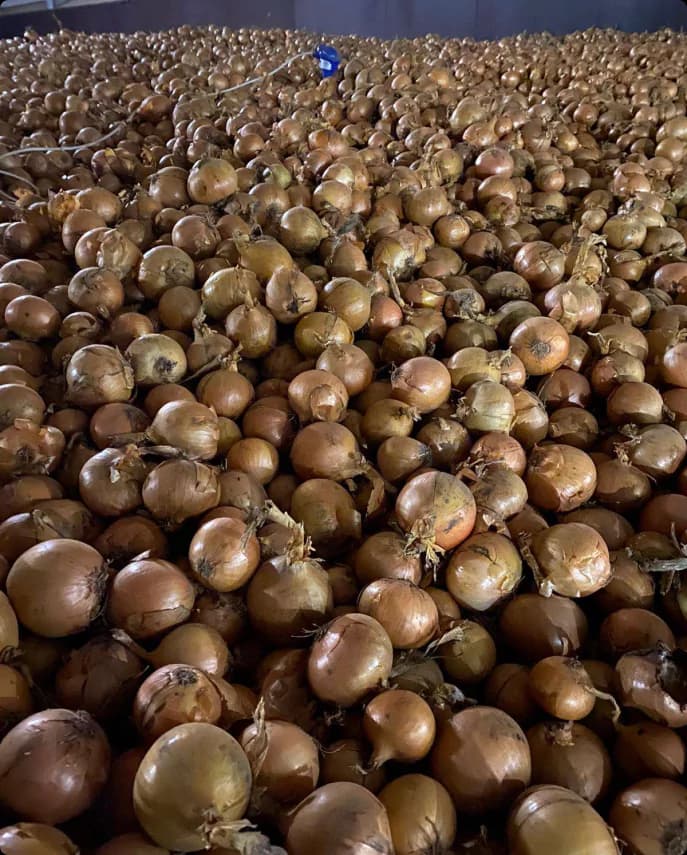
We deliver onions so a packer can put them into whichever packaging they choose: loose, in big bags or in net sacks. We cure our onions for 2-4 days, hold them in a store of around 13 000 tonnes and sort them on the DOWNS CropVision optical sorter. Dry, sorted onions cope better with a change of packaging, whatever the material. We show how we pack on site in our post on our onion packing line.
If you are planning a change of formats and want to line up deliveries for new packaging, take a look at our onion offer or our guide wholesale onions: a supplier from Żuławy and get in touch through the contact form. We calculate the price based on current market rates and the delivery form.