You check a supplier's GlobalG.A.P. certificate by its GGN number in the public GLOBALG.A.P. Supply Chain Portal. Enter the 13 digits and you see whether the certificate is valid, who issued it and which products it covers. A PDF copy of the certificate is not enough, because the certificate may have expired or been suspended. Here is how to do it step by step and what to look at.
What a GGN number is
GGN, the GLOBALG.A.P. Number, is a unique 13-digit number a producer receives on registering in the GLOBALG.A.P. certification system. It is assigned by the certification body in the GLOBALG.A.P. system. The number identifies the farm or producer group, so it stays with them through later audits. Instead of a GGN, a business can also use its GLN.
Everything that matters to a buyer is checked by this number: the certificate status, its validity and the product list. What the standard itself is and what the auditor assesses, we describe in our post on what GlobalG.A.P. gives a vegetable buyer.
How to check the certificate step by step
- Ask the supplier for the GGN number and a copy of the certificate. An honest producer will give you both without any fuss.
- Go to the GLOBALG.A.P. Supply Chain Portal on globalgap.org. Since 3 November 2025 this tool has replaced the old GLOBALG.A.P. database. Checking is public, with no login.
- Enter the 13-digit number and open the company profile.
- Compare the data with the trade documents: the certificate holder's name and address against the details on the invoice and in the contract.
- Check the status, validity and product list, and while you are at it, the status of add-on modules such as GRASP.
GLOBALG.A.P. treats a certificate or number that cannot be found in the public database as invalid straight away.
What the portal shows and what to look at
| Information in the portal | What to watch for |
|---|---|
| Certificate holder and address | is it the same business that issues the invoice |
| Status for the standard and add-on modules | is the certificate active, not suspended |
| Certificate validity | does it cover the delivery date, not just the day the contract was signed |
| Certification body | who carried out the audit, useful for questions about scope |
| Country and type of production | does it match the declared origin of the goods |
| Product list | does it include onions, potatoes or whatever else you are buying |
A certificate is usually valid for 12 months, and the farm is audited every year. Certification bodies carry out some of the checks without notice. What such an audit looks like from the inside, we describe in our post on the GlobalG.A.P. audit on our farm.
The most common pitfalls
- A product outside the scope. Certification covers only the products the producer has registered. A farm can hold a certificate for potatoes and sell onions without one.
- Suspension of some products. A suspension can affect one, several or all products. For a suspended product, the supplier cannot claim GlobalG.A.P.
- A group certificate. Under option 1 the certificate is held by an individual producer, under option 2 by a producer group as a legal entity with its own quality management system. With a group certificate, make sure your supplier actually belongs to the group.
- A trader's certificate instead of the producer's. A trading company that only resells produce does not hold a farm certificate. To sell it on as certified, it needs its own supply chain certification (Chain of Custody).
- An out-of-date copy. A year-old PDF proves nothing. What counts is the status in the portal on the day of delivery.
GRASP and the GGN label
GRASP is an add-on module to GlobalG.A.P. that assesses working conditions. People often talk about a "GRASP certificate", but formally its result is a confirmation of compliance valid for a year, available only together with GlobalG.A.P. certification. Its status is also visible in the portal. We write more about it in our post on GRASP and working conditions.
The GGN label that consumers see on packaging in the shop requires a GlobalG.A.P. certificate, a GRASP assessment and supply chain certification at every company along the way. By entering the number on ggn.org, the end customer sees the farm's profile.
How we do it
We hold GlobalG.A.P. with the GRASP module, plus FSA Gold (Farm Sustainability Assessment) and GMP+. We run the whole farm according to the principles of Integrated Plant Production. At the buyer's request, we provide our GGN number together with a copy of the certificate, so they can check the status in the portal themselves instead of taking our word for it.
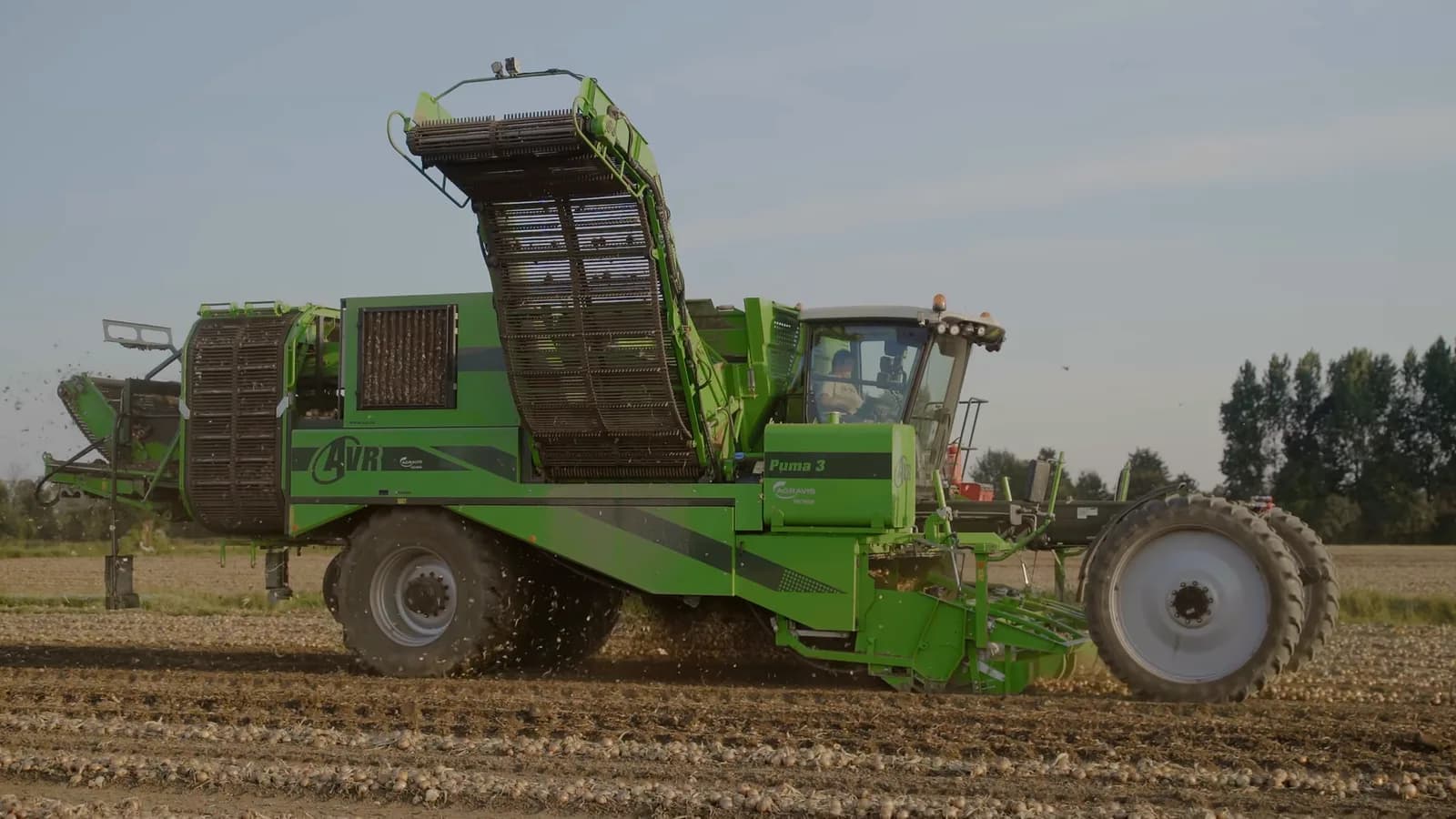
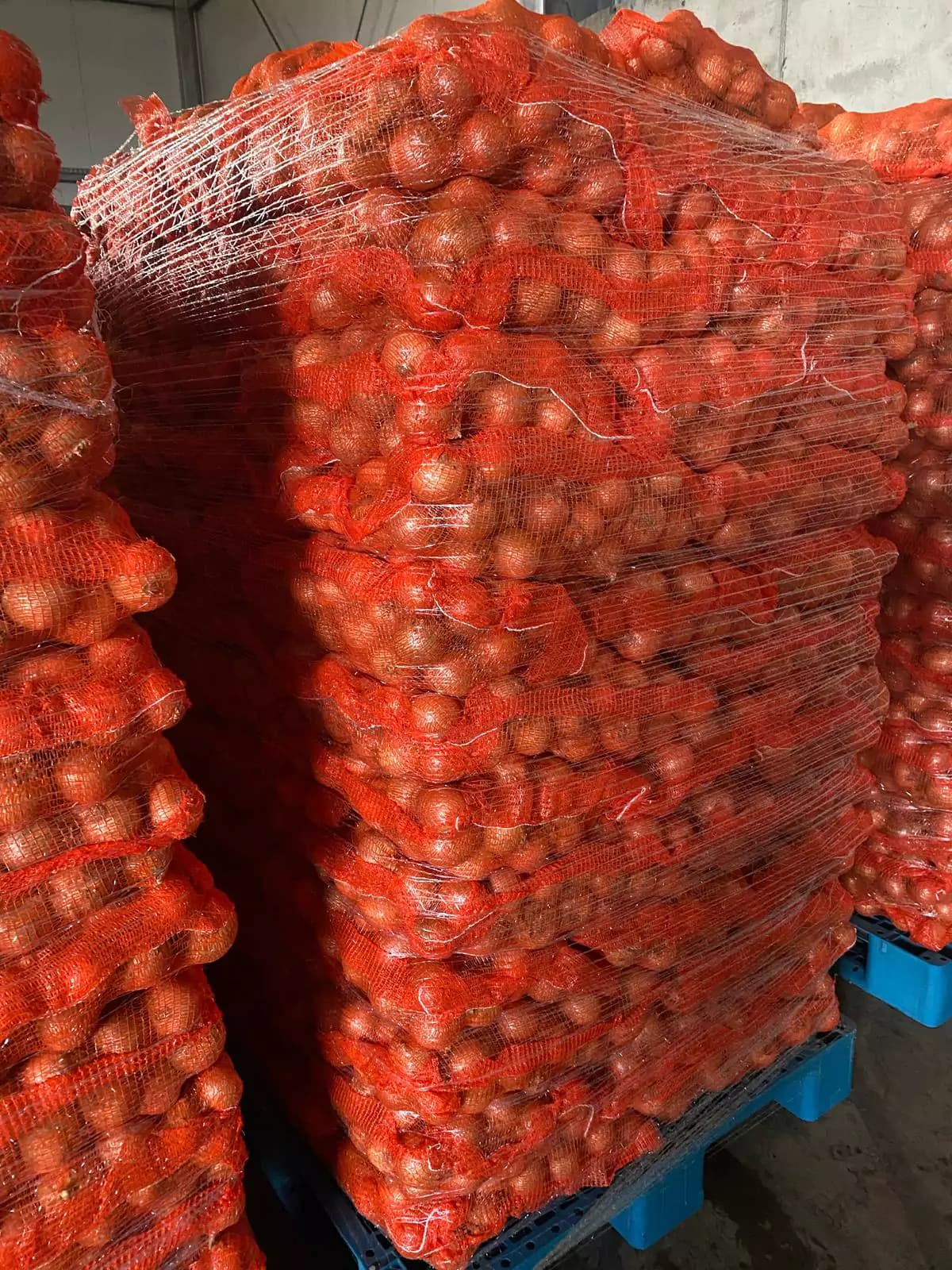
We grow around 250 hectares of onions and keep them in our own store for 13,000 tonnes, so the buyer gets produce straight from the producer, not through extra links in the trade chain. How working with us looks on the commercial side, we describe under wholesale onions straight from the producer. You will find varieties and packing options in our onion offer, and the simplest way to ask for our GGN number and documents is the contact form. We calculate the price based on current market prices.