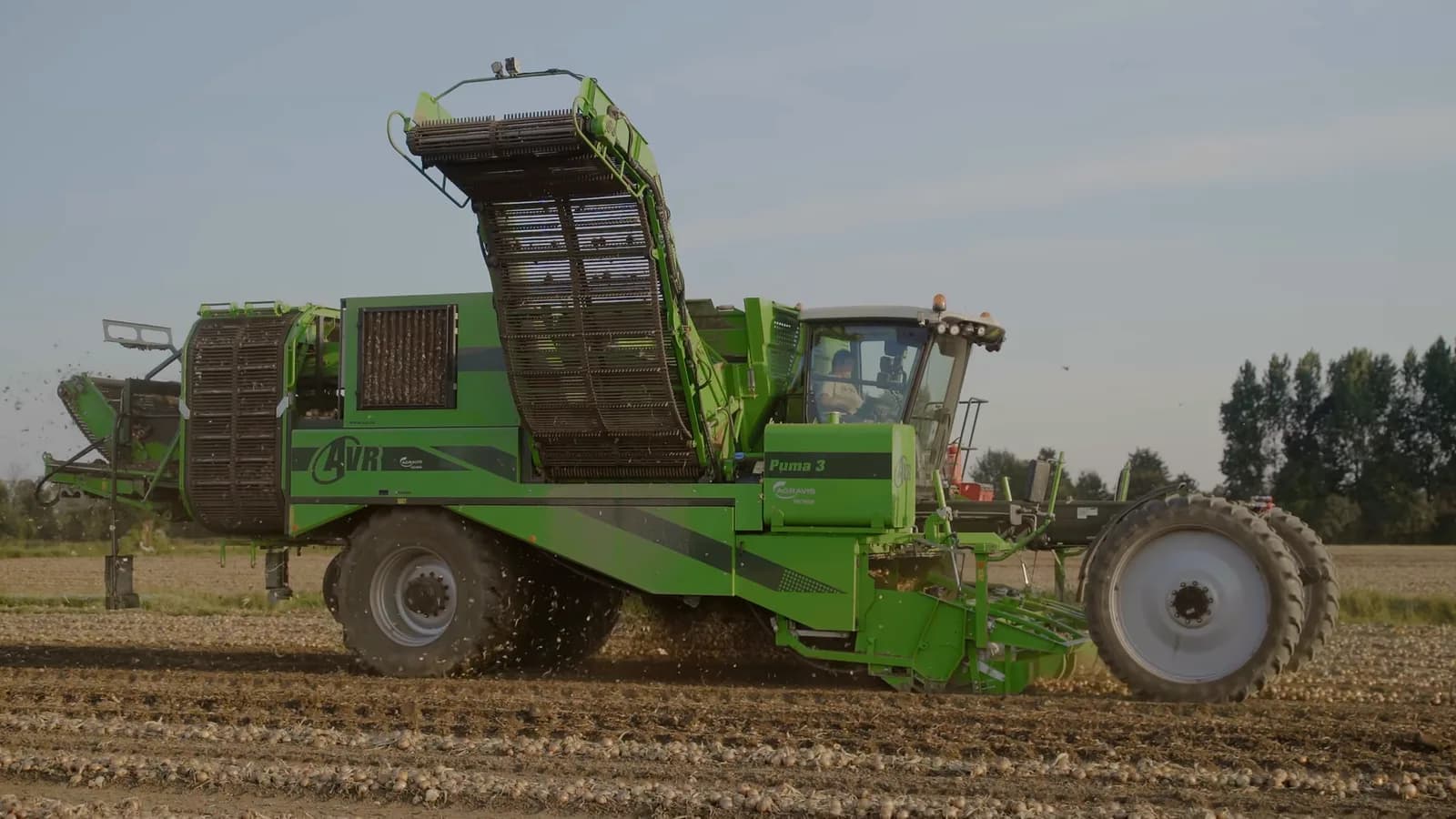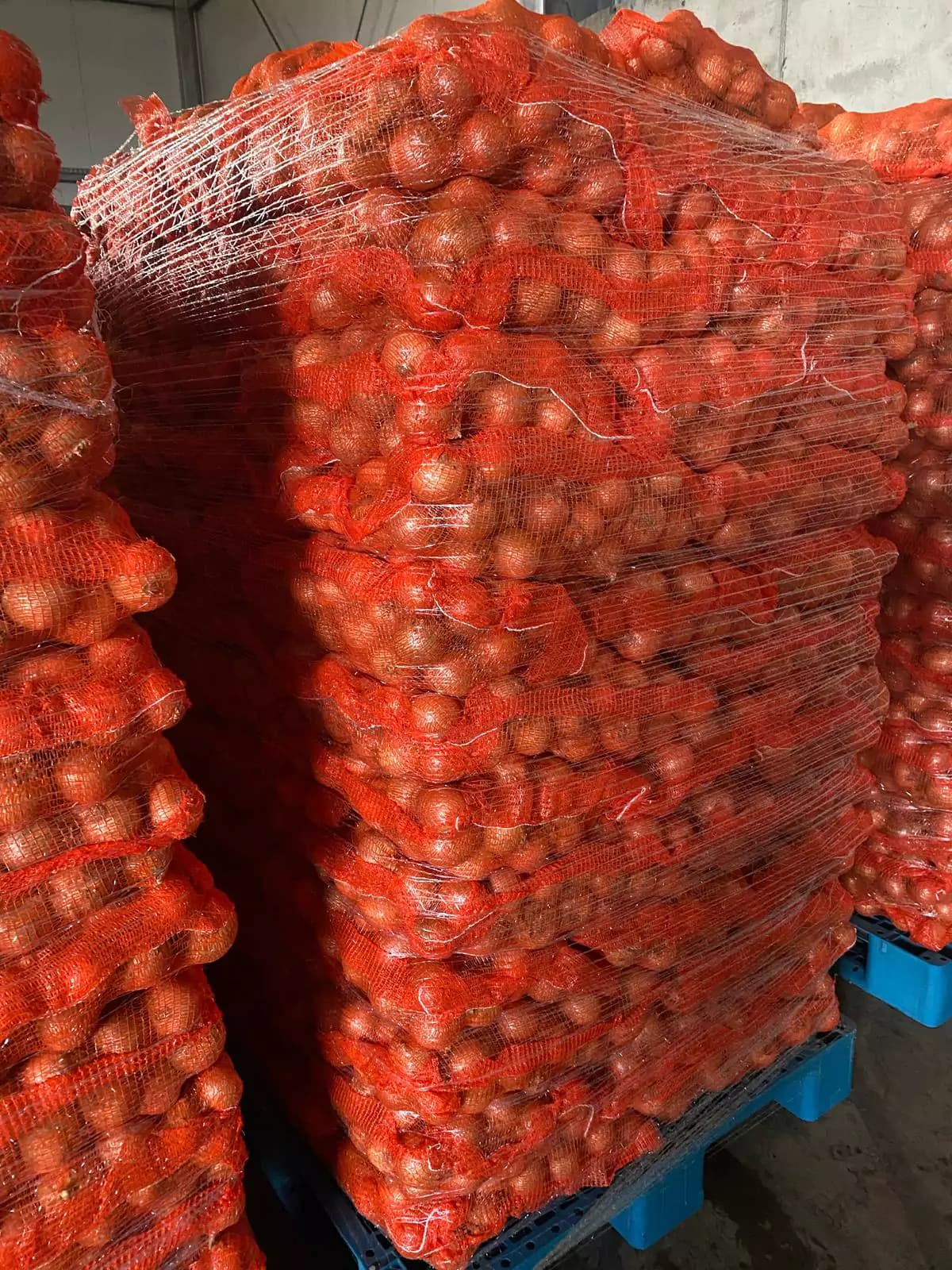
It is easy to write about certificates in generalities, so here is the concrete version: what the day looks like when a GlobalG.A.P. auditor arrives at the farm. We pass this audit every year, on more than 800 hectares and with 8 products in our offer, so we know exactly what gets checked, what auditors ask about, and what cannot be prepared at the last minute.
The audit is one day, the preparation runs all year
The most important thing to understand: you cannot "cram for" the audit a week before the date. The auditor does not judge how the farm looks on the day of the visit, but how it worked through the whole season. They see it in the records: every crop protection treatment, every fertilisation, every staff training and every batch of produce leaves a trace in the documentation.
That is why, for us, preparing for the audit is simply daily work. We fill in the treatment register as we go rather than reconstruct it from memory, because at our scale nobody would remember hundreds of operations across dozens of fields.
Step by step: how the audit day runs
The day itself is fairly predictable and consists of a few fixed stages:
| Stage | What happens | What the auditor looks at |
|---|---|---|
| Opening meeting | going over the scope and the plan for the day | whether the farm structure matches the application |
| Documentation | review of registers and procedures | treatments, pre-harvest intervals, training, produce testing |
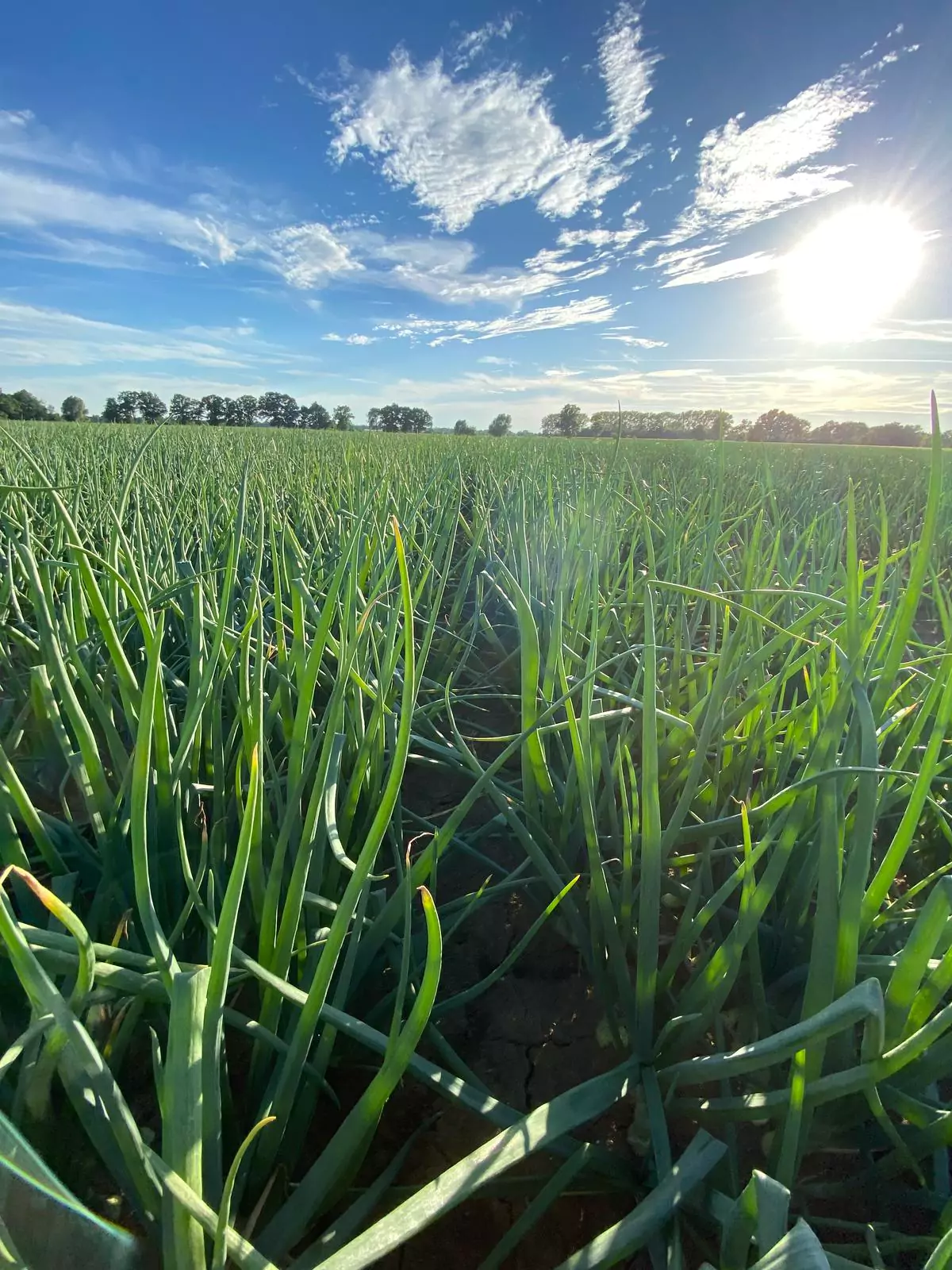
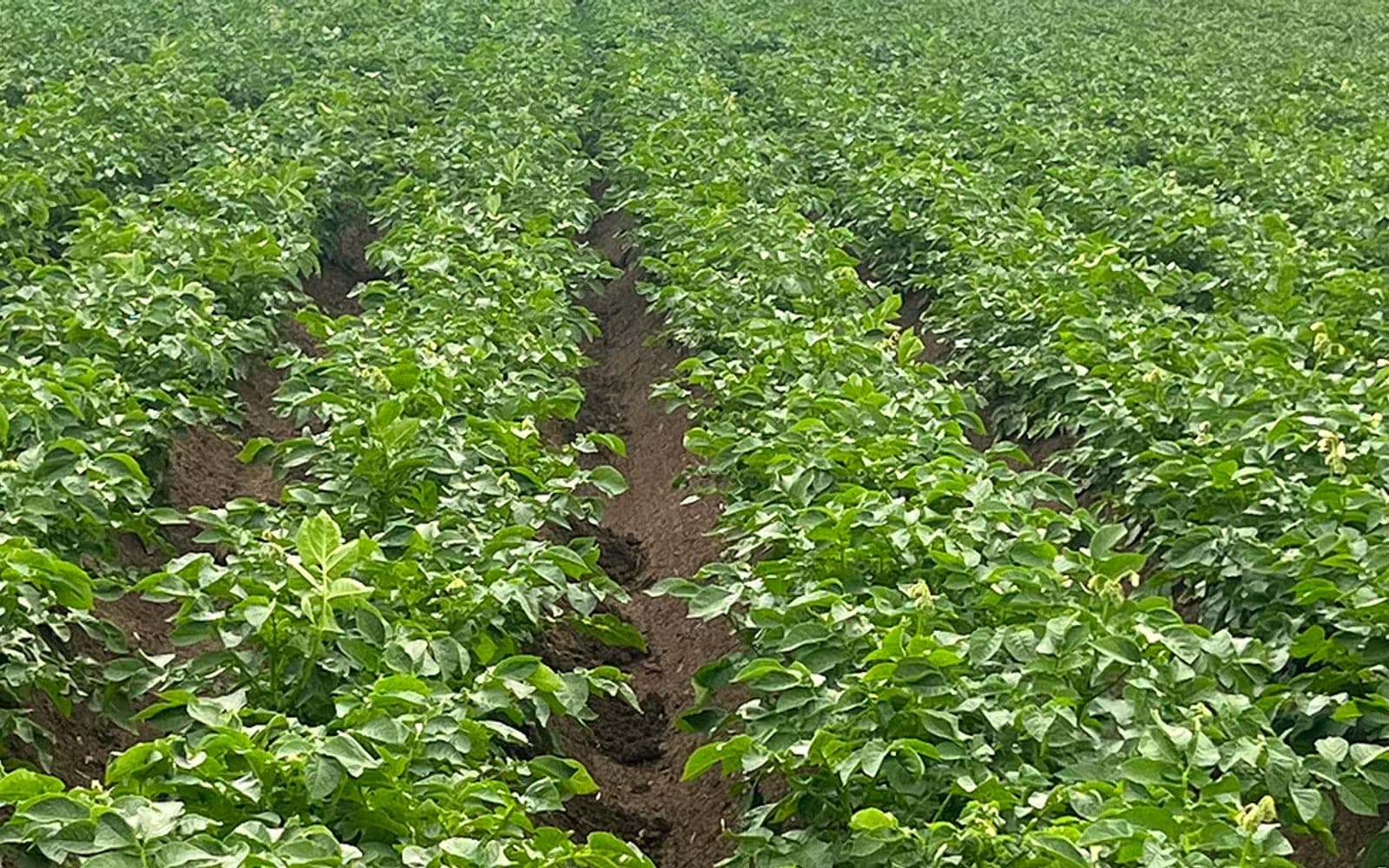
| Field | a visit to selected crops | condition of the plantation, signage, hygiene |
| Crop protection store | a check on storage conditions | locks, ventilation, original packaging, stock records |
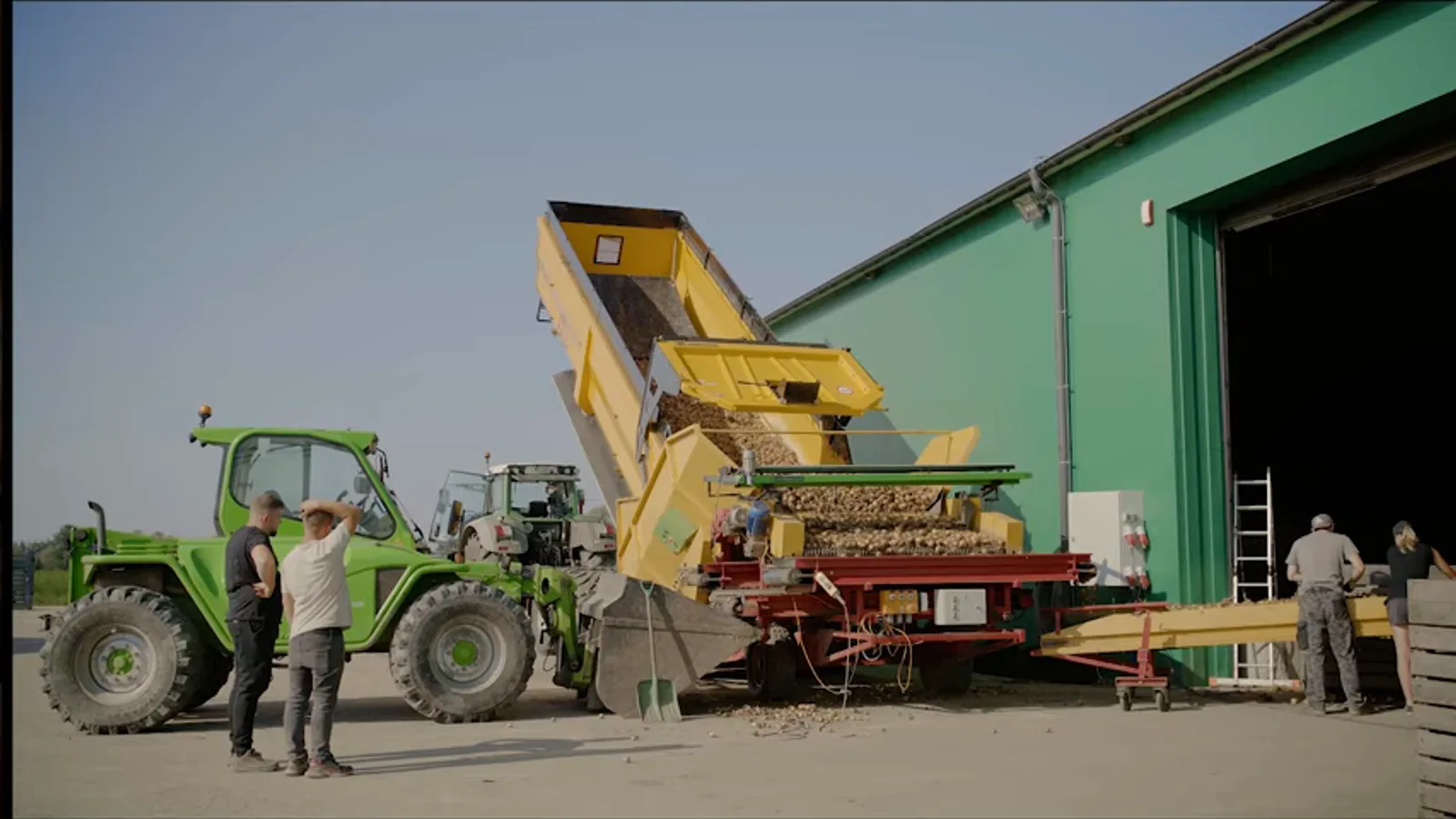
| Storage facility and line | the route the produce takes after harvest | cleanliness, batch traceability, protection against contamination |
| Talks with staff | questions about everyday work | whether the procedures really work, not just on paper |
| Summary | a list of any findings | what needs fixing and by when |
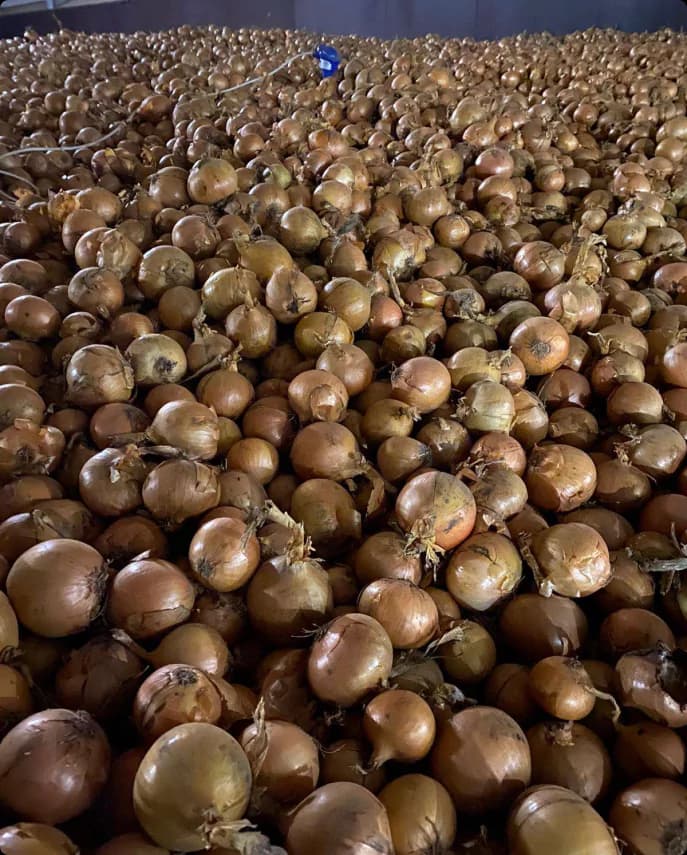
In our experience the documentation takes the most time. The auditor can pick one batch of onions and ask for its full history: which field it came from, what treatments were done, what the pre-harvest intervals were, when it was harvested and what tests it passed. You need to be able to answer that question in a few minutes, and that is exactly the traceability we write about in quality control batch by batch.
Critical points: not everything weighs the same
The GlobalG.A.P. standard splits its requirements into levels. The core requirements, the so-called major musts, have to be met in full, no exceptions. For the second level, minor musts, the standard allows a small margin, but in practice you aim for the full set anyway. On top of that come recommendations, which do not block the certificate but show the direction.
A single non-conformity does not mean losing the certificate straight away. The farm gets a set time for corrective action and has to document that the problem was fixed. Only a lack of response closes the road to the certificate.
That is important information for buyers: a GlobalG.A.P. certificate does not say that nothing ever goes wrong on the farm. It says the farm has a system that catches problems and fixes them, and an independent auditor checks it every year. What exactly the certificate gives the buyer we describe in our post on what GlobalG.A.P. means for the buyer.
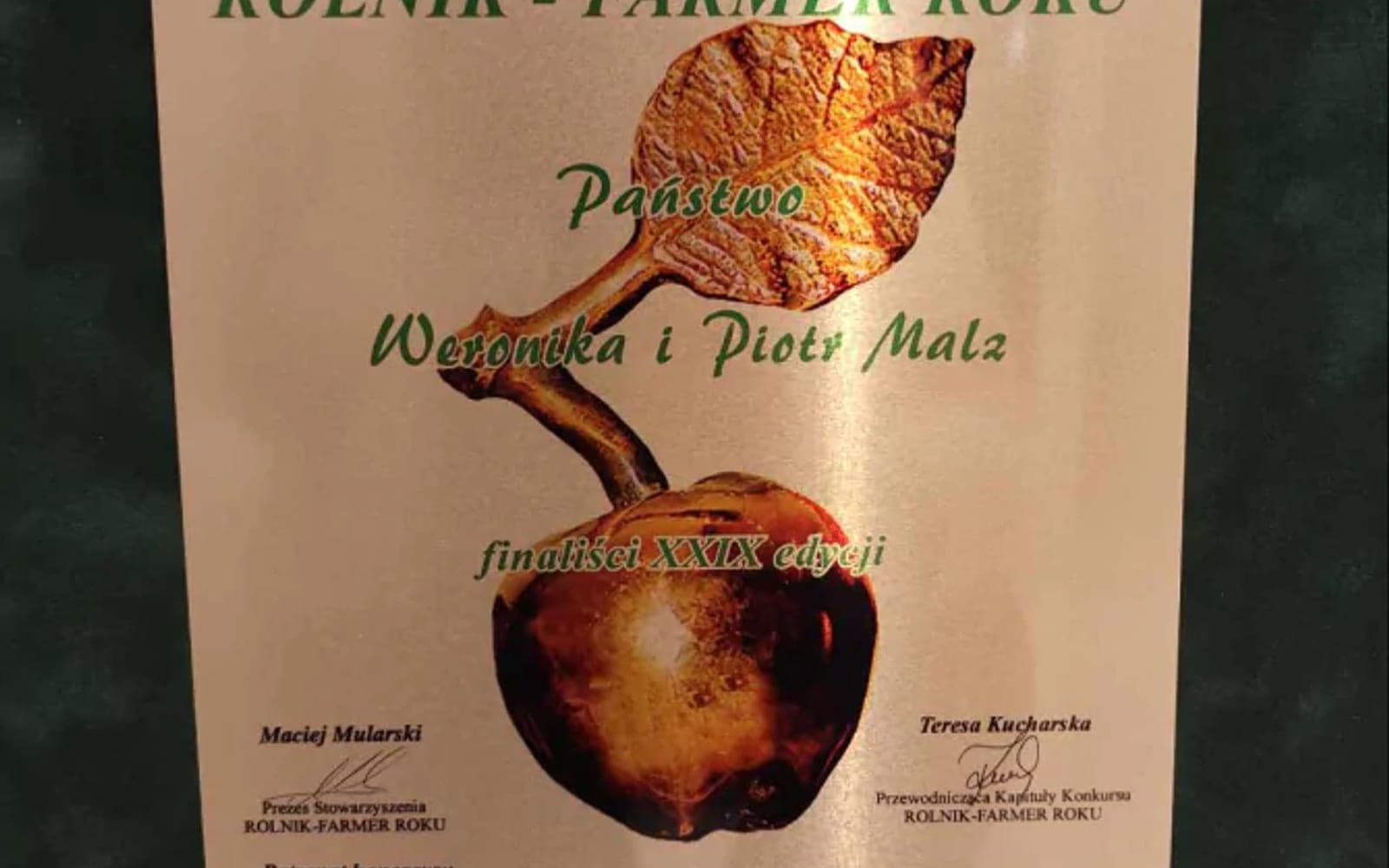
For us the audit does not end with GlobalG.A.P.
GlobalG.A.P. is the base, but large buyers ask for more. That is why, in parallel, we hold GRASP, the module that assesses working conditions and labour matters, the FSA farm sustainability assessment at Gold level, and GMP+ for grain trading. Some requirements overlap, so well-organised documentation works for several certificates at once.
There is one more benefit that rarely gets mentioned: an annual audit turns order into a habit. Procedures we once introduced "for the certificate" now simply make it easier to run a farm with 87 machines and a team working several hundred hectares of vegetables.
What this means for the buyer
If you buy vegetables for a chain, a packing house or a processing plant, the audit we pass saves you your own: you get a wholesale onion supplier already checked against a standard recognised by the market across Europe. The certificate number can be verified in the GlobalG.A.P. database, and we send the full set of documents together with the offer.
Our certified onions, potatoes and beetroot are waiting in the offer, and if your company requires its own supplier audit, write through the contact form, we are ready for it.