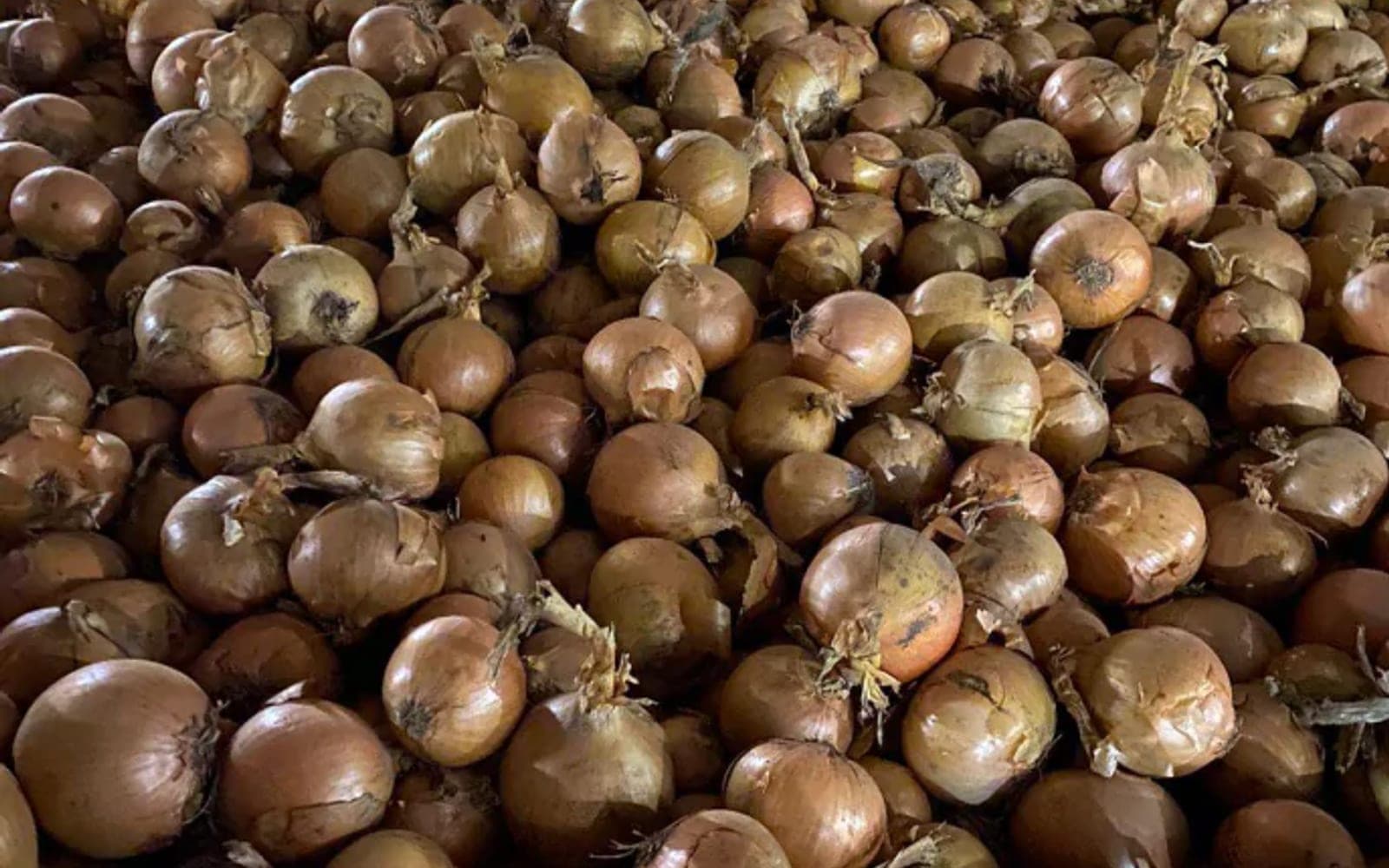
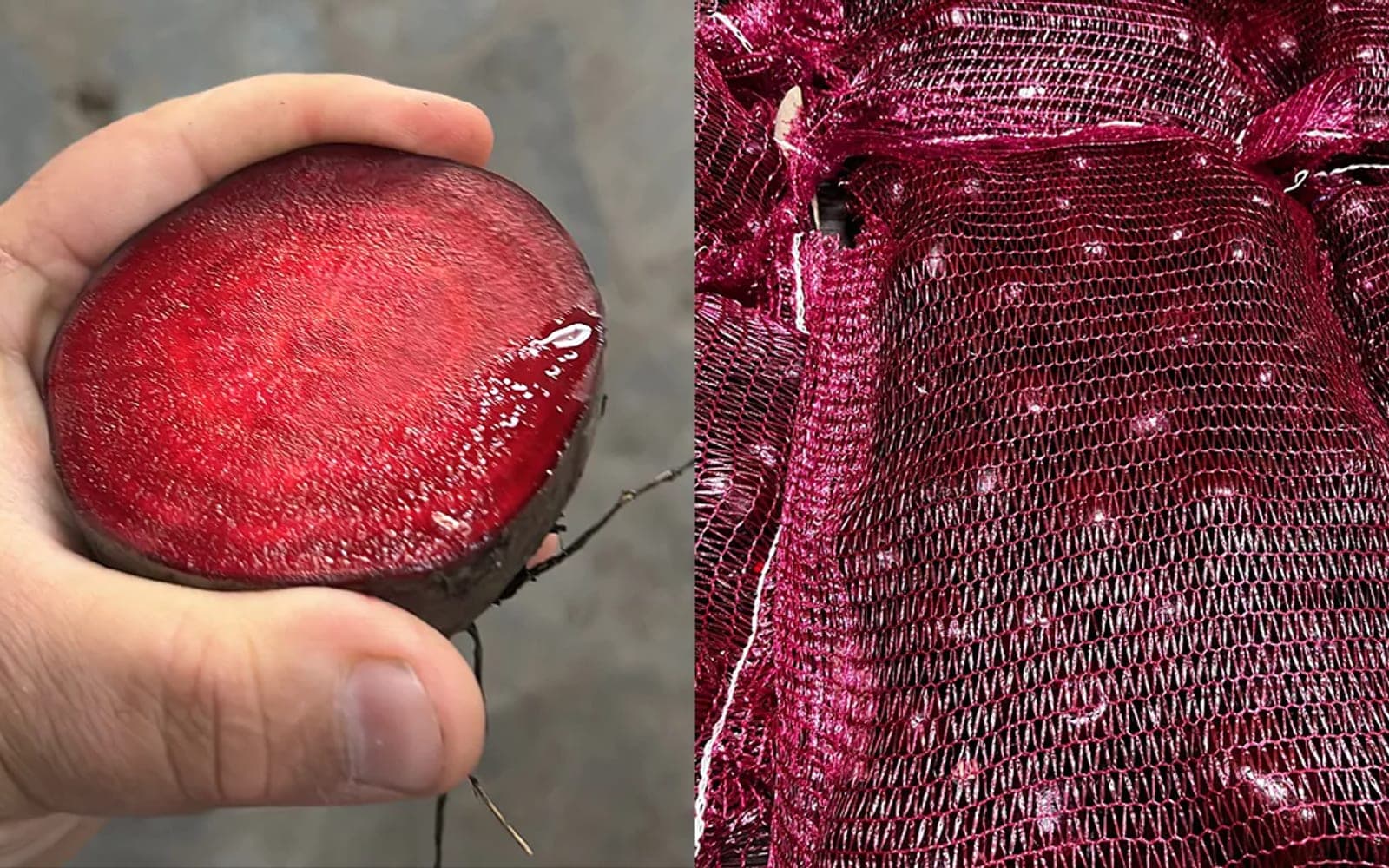
The onion set varieties we usually rely on are Takmark, Comae, Kristine, Medusa and Bonus, and among red sets Red Baron and Ruby Star. What sets give the buyer above all is timing: fresh onions in early summer, several weeks ahead of spring-sown onions. Below we set out what the public source says about each variety and what it does not say.
Onion set varieties in public variety sheets
We gathered the sheets from the breeder Takii Europe, the Royal Horticultural Society (RHS) description and the COBORU national register. We keep the English terms from the sheets as they are, and the right-hand column shows what the source does not give.
| Variety | Source | Timing | What it gives | What it does not give |
|---|---|---|---|---|
| Takmark | Takii | Early | fresh market, Northern Storage segment, shiny brown skin that holds on well, thin neck, fast drying, short storage, also available as sets | dry matter, yield in t/ha, harvest date |
| Comae | Takii | Medium in the Maturity field, early segment in the description | fresh market, Northern Storage segment, very good skin, slender neck | any mention of sets, dry matter, yield in t/ha, harvest date |
| Kristine | COBORU | none | entry in the national register dated 28.03.1990 | timing, intended use, keeping quality: this is an official list, not a variety description |
| Medusa | Takii | Early | fresh market, aimed at high yield, high temperature tolerance | any mention of sets, dry matter, yield in t/ha, keeping quality |
| Bonus | Takii | Early | fresh market, very uniform, almost round, possible yields of 60-90 tonnes according to the sheet | the area behind that figure, any mention of sets (it talks about sowing), dry matter |
| Red Baron | RHS | mid-late to late | dark red skin, firm white flesh, stores well, from seed or from sets | yield, dry matter, number of months in storage, breeder |
| Ruby Star | Takii | Early | red, for long storage in Northern Europe, uniform, thin neck, good internal colour after harvest | any mention of sets, dry matter, yield in t/ha, number of months in storage |
The gaps are plain to see. In these sources we found neither dry matter nor processing waste, and only Takii gives a yield figure, for Bonus, without the area it applies to. The sheets also say nothing about the mada soils of Żuławy, where we grow.
What the sheets say about timing and post-harvest handling
The sheets cover two things that matter to the buyer: ripening time and how a variety copes with post-harvest handling.
Timing. Most varieties in the table are early. For Comae, Takii gives Medium in the Maturity field and early segment in the description. RHS describes Red Baron as mid-late to late. The Takii sheets do not give a harvest date. Our onions from sets leave the field in early summer and open the onion season.
A sheet does not know the season either. In July 2025 we had downpours of 150-220 l/m2 in 24 hours, waterlogging and weaker yield gain late in the season. We agree the delivery date with the buyer.
Post-harvest handling. According to Takii, Takmark's thin neck allows fast drying and short storage, and for Ruby Star Takii links uniformity and a thin neck with a high net yield. After harvest we cure the onions for 2-4 days and sort them on the DOWNS CropVision: cameras and AI scan every bulb in 360 degrees and reject stones, clods of soil and defective bulbs, at up to 100 tonnes per hour. We select every batch for firmness, colour and dry skin.
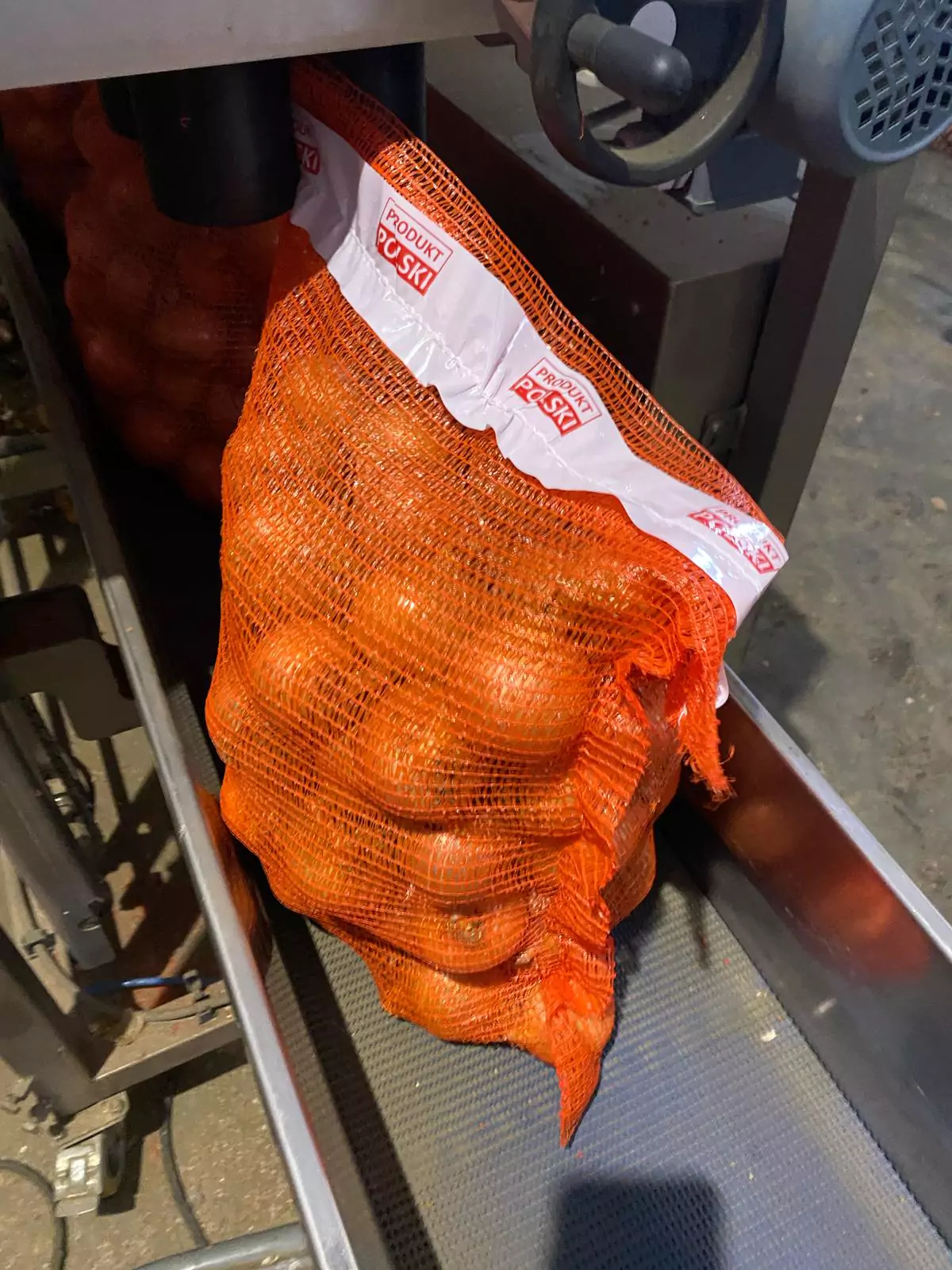
A sheet describes a variety, not a batch. Before you order, you can assess the produce on a free sample.
What it gives packhouses and processors
For a packhouse, the sheets say a lot about skin and uniformity: Takii writes about Takmark's shiny brown skin, and for Bonus Takii writes about very uniform, almost round onions. For a processor, they say little: in the intended-use field for Medusa, Takii puts the fresh market, and it does not give dry matter. So we match the produce to the specific buyer, for the fresh market and for processing.
We grade and pack loose, in big bags and in 15 kg, 10 kg and smaller sacks, and the details are in our offer of onions from sets. We work in a growing technology free of pesticide residues, under the principles of Integrated Plant Production, and we test every batch for pesticide residues, heavy metals and substances dangerous to health. We hold GlobalG.A.P., GRASP, FSA Gold (Farm Sustainability Assessment) and GMP+ certificates.
Why sets close the gap before the new crop
We farm more than 800 ha, including about 400 ha of vegetables. Onions cover about 250 ha with yields of about 60 t/ha, and our own onion store holds 13,000 t. The store releases produce until the new season, and sets open that season, so the order looks like this:
- Early summer: onions from sets, our earliest.
- After that: spring-sown onions.
- The rest of the year: onions from storage.
This lets us join the seasons and have onions all year round. Our vegetables go to market leaders such as Onix, Farm Frites and FreshPol, partners supplying the largest retail chains and processing plants in Poland and Europe. We set out the differences between sets and sowing in our post on growing onions from sets, and the whole growing cycle in our guide to onions from Żuławy.
November is a good time to talk about next summer
If you want fresh onions in early summer 2027, write to us now. Give us the type, quantity and date, and we will come back with availability, grading and price. The price is calculated from current market rates, so we give the amount after talking to you through the contact page. If you are considering regular deliveries, take a look at our post on onion contracting.