Onion contracting looks different from potatoes for fries. There, the processing plant agrees with the farmer on the variety, area and parameters before planting. With the onions we sell to packing houses, the buyer mainly purchases size and class, not a specific variety, so the contract covers what we release from the store. With packing houses we mostly work on a framework agreement: we fix volume, size grades, packaging and delivery windows for the season, and we calculate the price at every call-off from current market prices. We handle smaller and irregular orders on spot terms. We explain how these approaches differ and what should go into the contract.
Three models for buying onions
| Model | What it fixes in advance | How the price works | Who it makes sense for |
|---|---|---|---|
| Spot market | only the current delivery: quantity, size grade, date | the price of the day, agreed fresh at every transaction | a buyer with irregular needs or one topping up missing batches |
| Framework agreement | season volume, size grades, packaging, delivery windows, quality, pricing rule | calculated at every call-off from current market prices, following the rule in the contract | packing houses and processing plants with continuous demand across many months |
| Pre-season contracting | variety, area and produce parameters before the crop is even grown | price set usually before the season, often fixed in advance for weeks of deliveries, with quality-based premiums and deductions | processing for a specific variety and process, like potatoes for fries |
The spot market is the simplest and the most volatile. The price of the day follows supply: it drops in a year with surpluses, rises in a year of shortage, and the 2025 season brought large onion surpluses in Europe. What drives that swing, we describe in our post what drives the price of onions.
Pre-season contracting works where the buyer needs a strictly defined variety for their process. What such a contract looks like and why processors contract Innovator, we describe in our post on contracting potatoes for processing. In the onions we sell to packing houses, the buyer mainly purchases size and class, not a variety, which is why for us an onion contract does not start before sowing, but once we know what we have in the store and in what quantity.
Framework agreement: how it looks for us
A framework agreement combines a delivery plan with a price that keeps pace with the market. The packing house knows what volume, in what size grades and in what windows we have planned for it for the season, and we know how much onion from the store is already committed. The price of every batch is calculated from current market prices, following the rule written into the contract, so neither side is left with a price detached from reality.
What we fix in such a contract:
- Season volume and its split across months. Not a single delivery, but a release schedule we build together with the buyer. How we manage it, we show in our post how we control onion sales through our store.
- Size grades and class. Which sizes, in what proportions, and by what standard a batch is assessed.
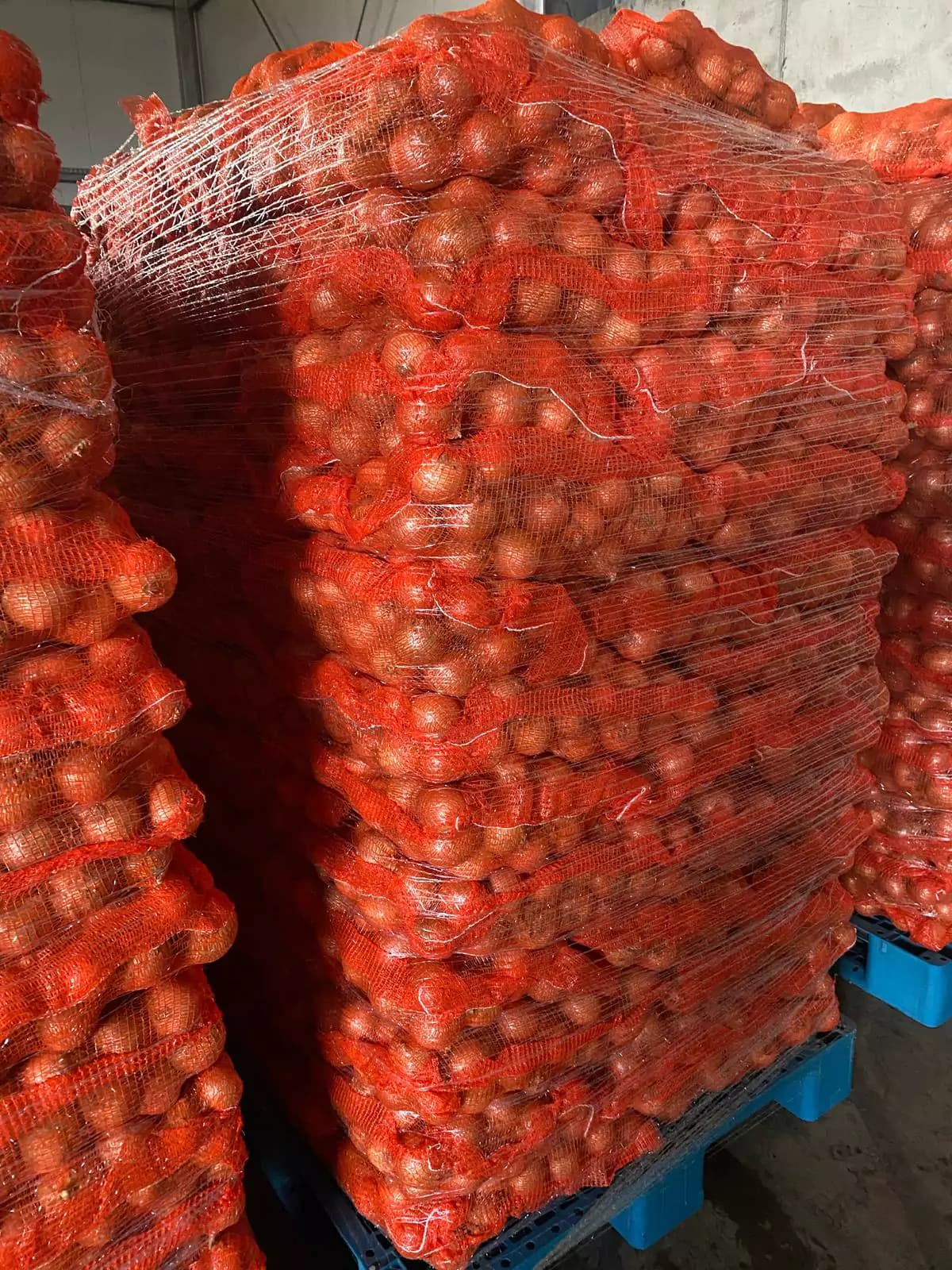
- Packaging. Loose, big bag or sacks, along with the rules for returnable packaging, if any is involved.
- Delivery windows and logistics. Who organises transport, on which days, and how far ahead we give notice.
- Quality and documents. Certificates, batch testing for pesticide residues and heavy metals, the sample and complaint procedure.
- The pricing rule. What we benchmark the batch price against and how often we confirm it.
- What happens in a weak year. Drought, flooding or bigger losses in storage happen to us too, which is why we set out provisions for a poor harvest in the contract, instead of pretending the weather does not affect us.
A framework agreement does not replace a sample. No matter how large a volume we negotiate, first we send a free sample, which the buyer assesses on their own line. Only then do we build a schedule for the months ahead. What that path looks like step by step, we describe in our post how to order onions wholesale.
Why the store changes the conversation about contracting
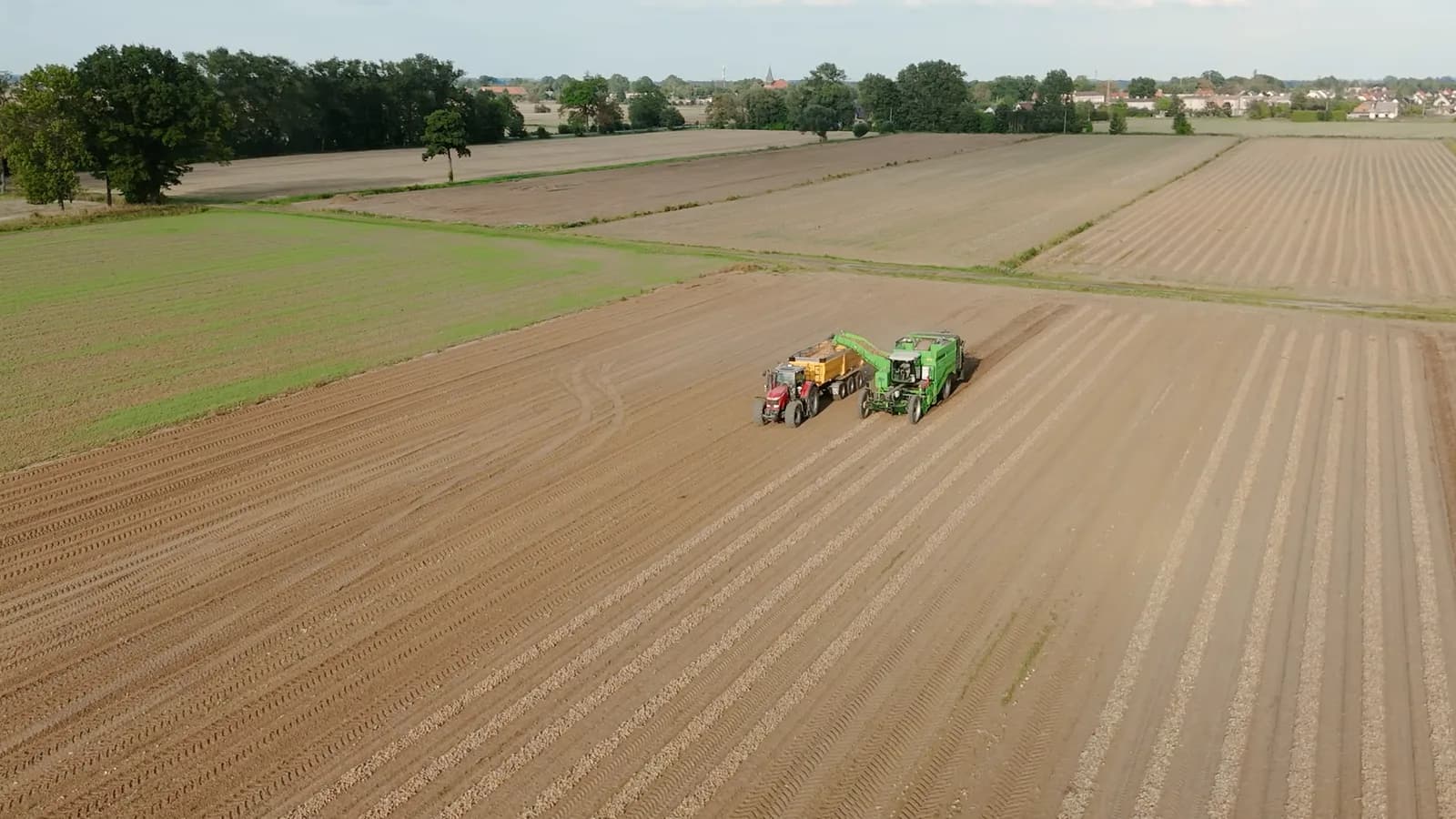
Without our own store, the onion selling window closes a few weeks after harvest. With us the 13 000 tonne store pushes it out to months. We grow onions on around 250 hectares; part of the crop we sell straight from the field right after harvest, and produce planned for winter and spring goes into the store. The best batches of Rijnsburger-type yellow onions keep with us until mid-June, red ones for less time, and from early summer fresh onions from sets come in. This lets us map out a full-season schedule with a packing house, and confirm the availability of every batch on an ongoing basis, instead of promising upfront produce that might run short in spring.
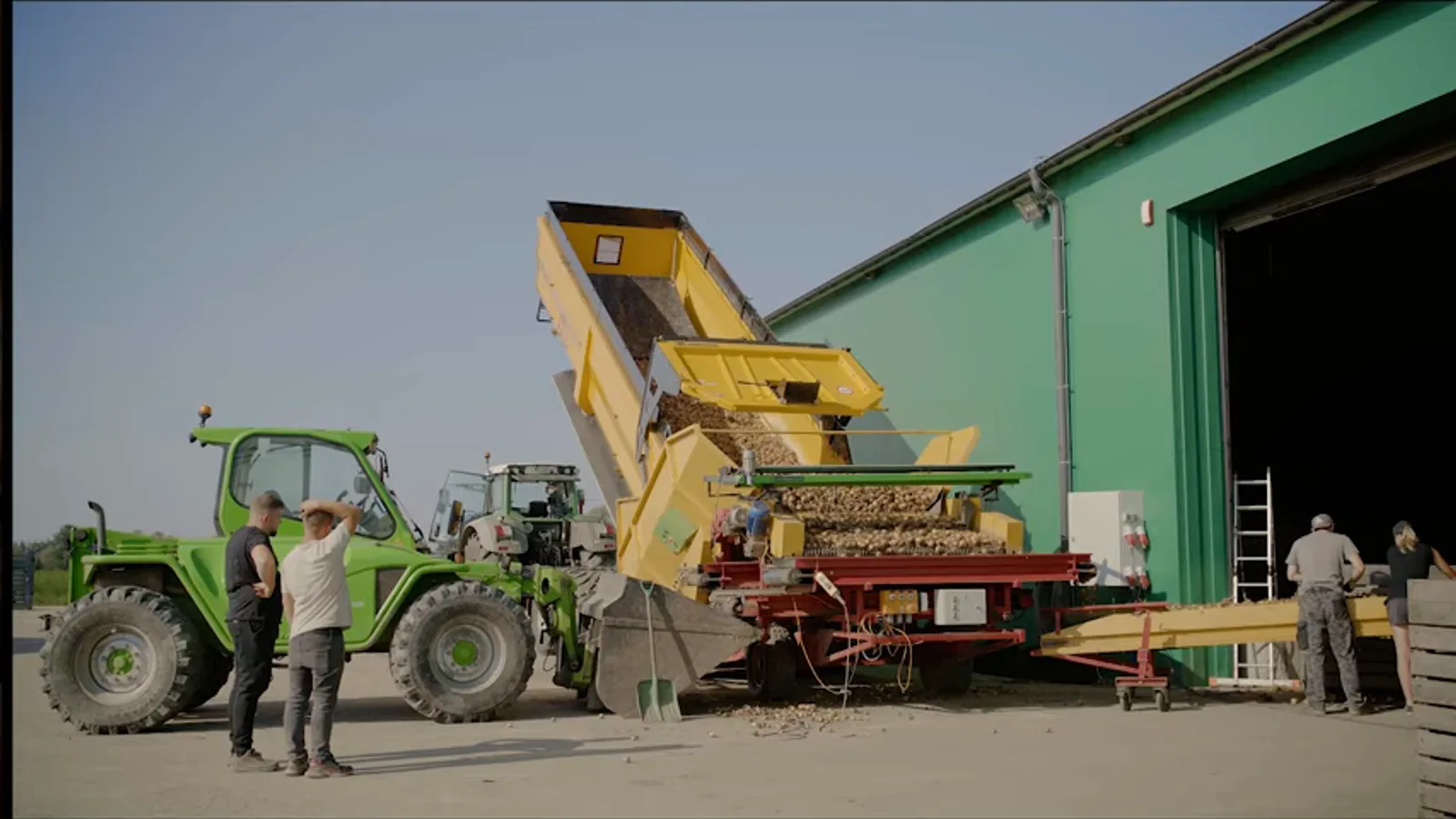
For a buyer that means three concrete things. First, a single source of produce of the same character throughout the season, instead of gathering batches from many suppliers of varying quality. Second, a plan: volume and delivery windows are mapped out in advance, and we confirm availability batch by batch. Third, a price that follows the market, so a packing house does not pay a spring price for onions based on the autumn rate, or the other way round. When each vegetable is available with us, we have gathered in our vegetable availability calendar.
When spot makes sense, and when a contract does
Not every buyer needs a framework agreement. A wholesaler that takes one truckload of onions every few weeks usually prefers spot and full freedom of choice. A packing house that packs onions every week for retail chains needs produce every week, in the same size grade and class, and it is the one that gains the most from a framework agreement. A processing plant with a single product profile might want to fix part of the volume in a contract and buy the rest on the market.
We usually propose a mixed solution: a base volume under a framework agreement with a schedule, and batches above the plan on spot terms. Our vegetables reach market leaders such as Onix, Farm Frites and FreshPol, partners supplying the largest retail chains and processing plants in Poland and Europe. We describe the full picture of how we work with packing houses and processing plants in our guide wholesale onions straight from the grower.
If you want to plan onion deliveries for the season, take a look at our onion offer and write to us through the contact form: tell us the approximate volume, size grades and delivery rhythm, and we will prepare a proposed schedule and send a free sample on request.