GMP+ is one of the certificates a buyer sees in our paperwork next to GlobalG.A.P., and hardly anyone explains what it actually is. In short: GMP+ guards safety across the feed chain, wherever farm produce ends up as feed for animals. In this post we explain what GMP+ is, what an auditor really checks and how this certificate differs from GlobalG.A.P.
What GMP+ is
GMP+ is an international feed safety and quality standard, known as GMP+ Feed Safety Assurance. It sets the same rules for every link in the chain: from the farm that grows the raw material, through trade and transport, to the plant that blends the finished feed. GMP stands for Good Manufacturing Practice, and the plus signals the added quality management and hazard analysis on top of it.
Put simply: GlobalG.A.P. covers how a vegetable reaches the plate, while GMP+ makes sure the raw material going into feed is just as safe. For a farm like ours, which grows grain alongside vegetables, it is a natural complement. Like the others, we renew the certificate after an annual audit run by an independent body.
What a GMP+ auditor really checks
GMP+ does not judge declarations, only the system and the records. The auditor checks whether we can prove where a batch comes from, how it was stored and whether it came into contact with anything that could contaminate it. We gather the key areas in the table below.
| Area | What it means in practice |
|---|---|
| Hazard analysis (HACCP) | we identify the points where risk can appear and keep watch over them |
| Traceability | every batch can be traced back to the field and season |
| Contamination monitoring | testing for heavy metals, mycotoxins and other undesirable substances |
| Storage | clean, dry warehouses with no risk of mixing batches |
| Transport | transport with documented cleanliness before loading |
| Supplier assessment | raw materials and inputs only from vetted sources |
Two words are key: traceability and cleanliness. Without them the certificate is empty. With us, every batch has its own path from a specific field, through the store, to the means of transport, and we run our warehouses and equipment so that batches do not mix. We apply the same discipline to vegetables, which we write about in our post on testing for pesticide and metal residues.
How GMP+ differs from GlobalG.A.P.
Buyers sometimes confuse the two certificates because they see them together. But they answer different questions and cover different parts of the chain. It is worth telling them apart.
| Feature | GlobalG.A.P. | GMP+ |
|---|---|---|
| What it covers | growing fruit and vegetables for the food market | the safety of feed and feed raw materials |
| Main question | is the vegetable safe and where does it come from | is the feed raw material safe across the whole chain |
| Scope | field, harvest, storage, packing | feed production, trade, storage and transport |
| Proof for whom | retail chains and food processors | feed mills and buyers of feed raw material |
In short: one vegetable can fall under GlobalG.A.P., while a batch of grain from the same farm falls under GMP+, because it heads into a different chain. We run both standards in parallel, because we grow both vegetables and grain. The principles of sound, deliberate crop protection and fertilisation that link the two are described in our post on Integrated Plant Production.
What GMP+ gives the buyer
A buyer of feed raw material is no longer just buying the goods. The feed mill, and then the livestock farmer, hold the supplier to account for whether the raw material is clean and verifiable. GMP+ takes three real risks off the buyer.
First, the risk of contamination. The certificate means the batch was monitored for undesirable substances rather than taken on trust. Second, the risk of missing proof of origin. The buyer needs to know where the raw material comes from, and gets that straight away. Third, the risk of breaking the chain: since the supplier already works under GMP+, their goods enter the buyer's system with no extra barriers.
For a feed mill, GMP+ is often not an add-on but a condition for accepting the raw material. Buying from a certified farm, the buyer does not have to take anything on trust: there is an audit behind it and full traceability of the batch.
How this looks with us
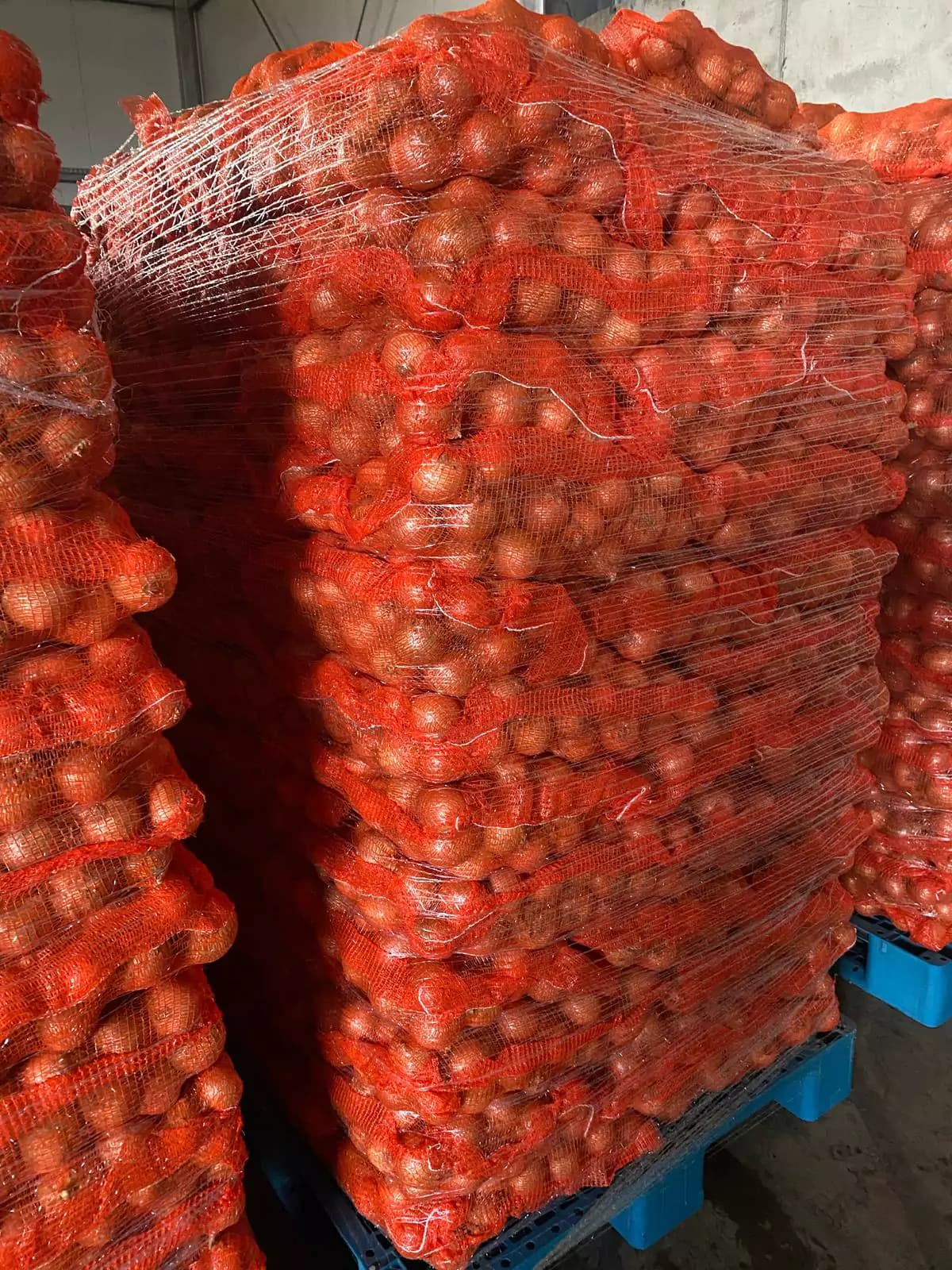
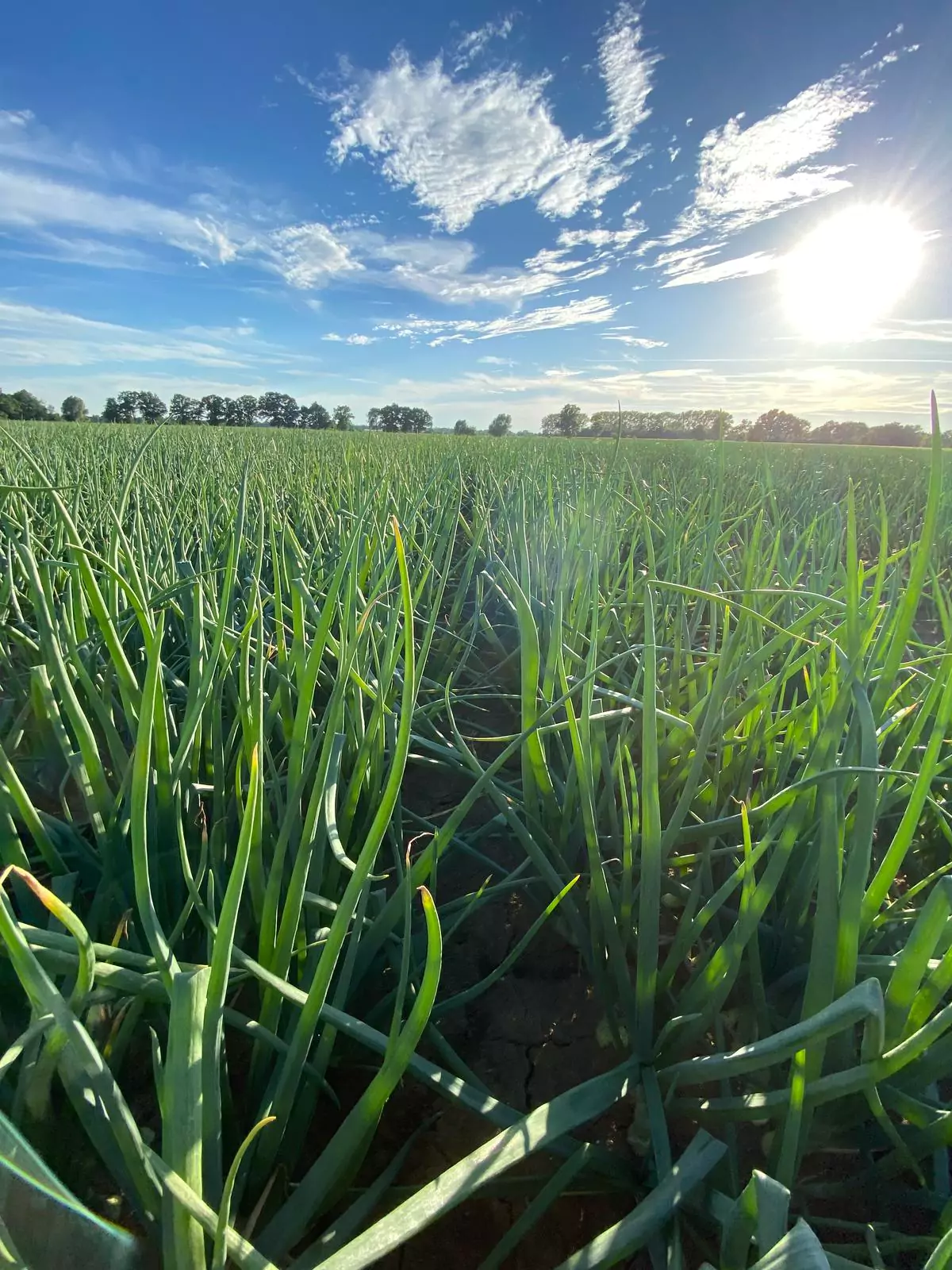
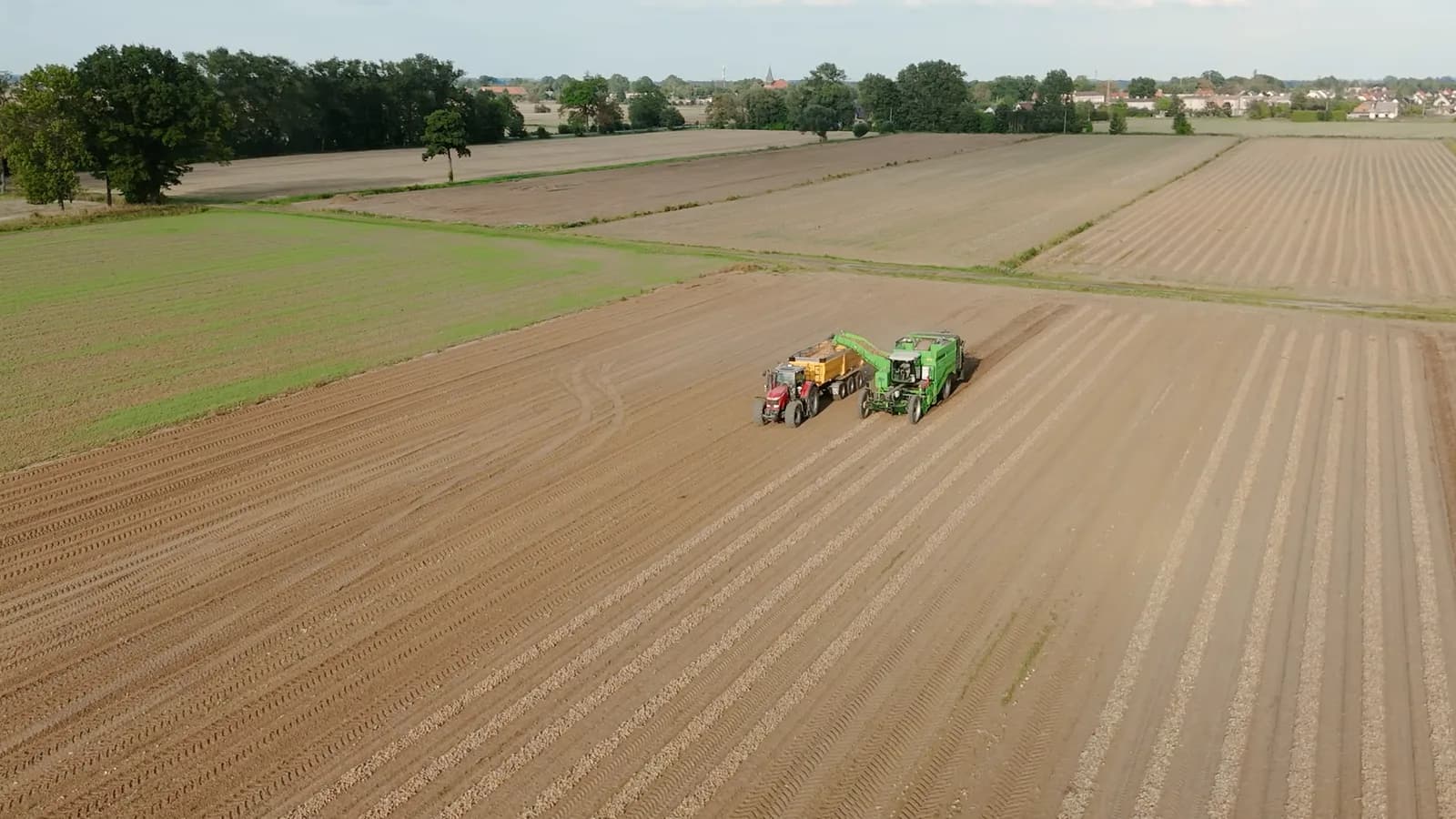
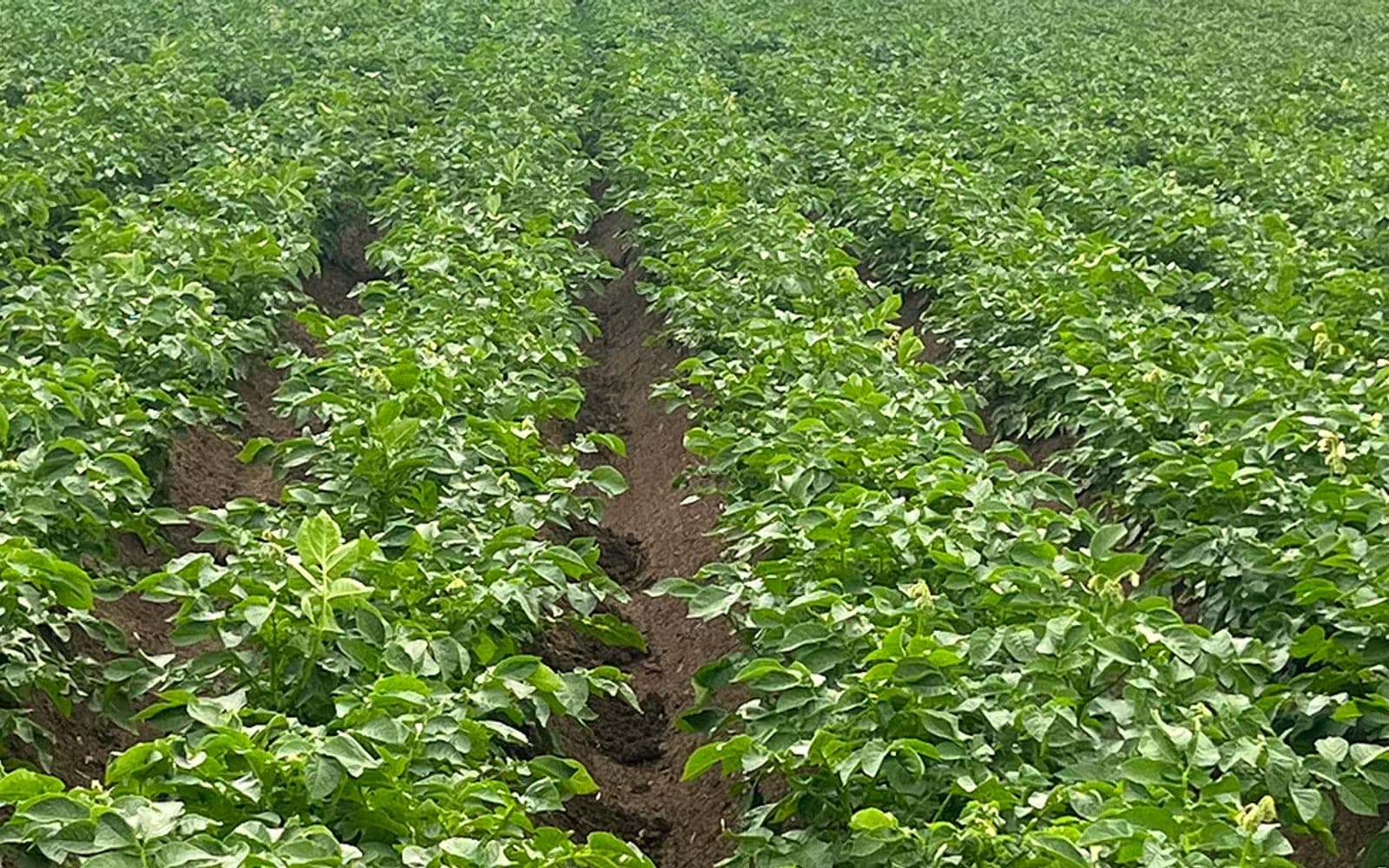
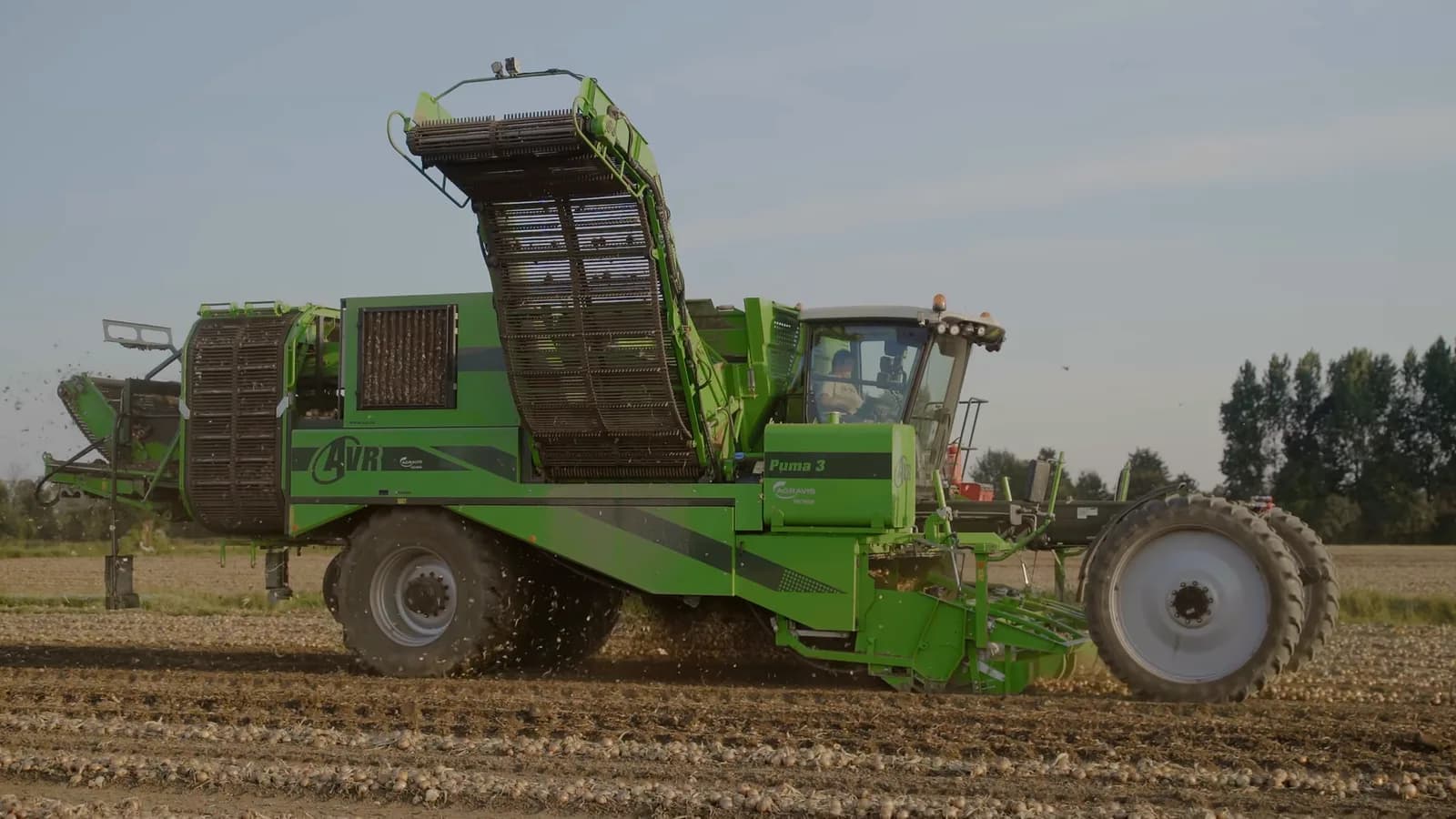
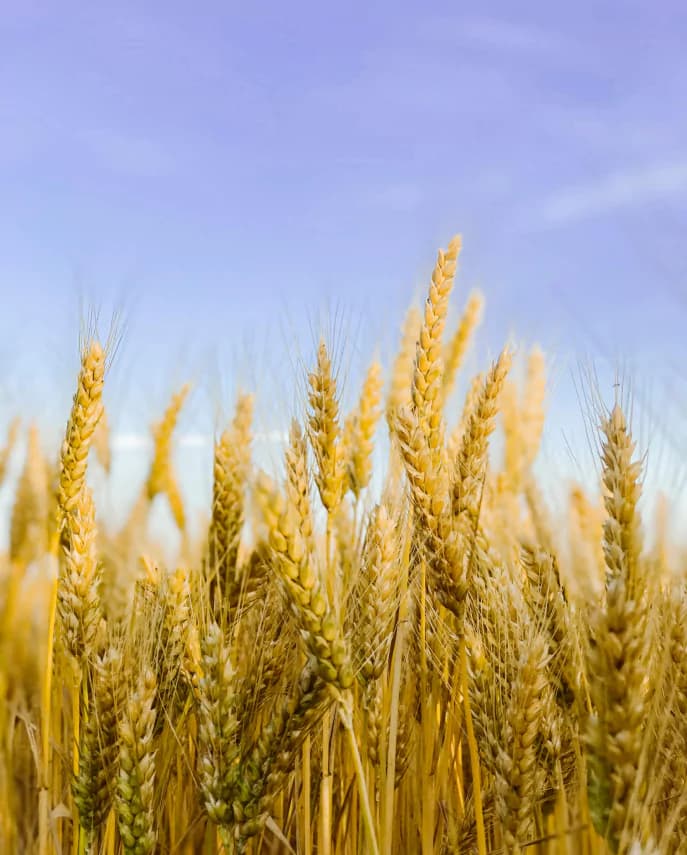
For us GMP+ is not a piece of paper for the drawer but a discipline forced by scale. We farm over 800 hectares, including around 400 hectares of vegetables, and alongside onions and potatoes we grow grain, among them wheat and triticale, which head into the feed and food chains. At that volume, without an orderly system, you cannot vouch for every batch.
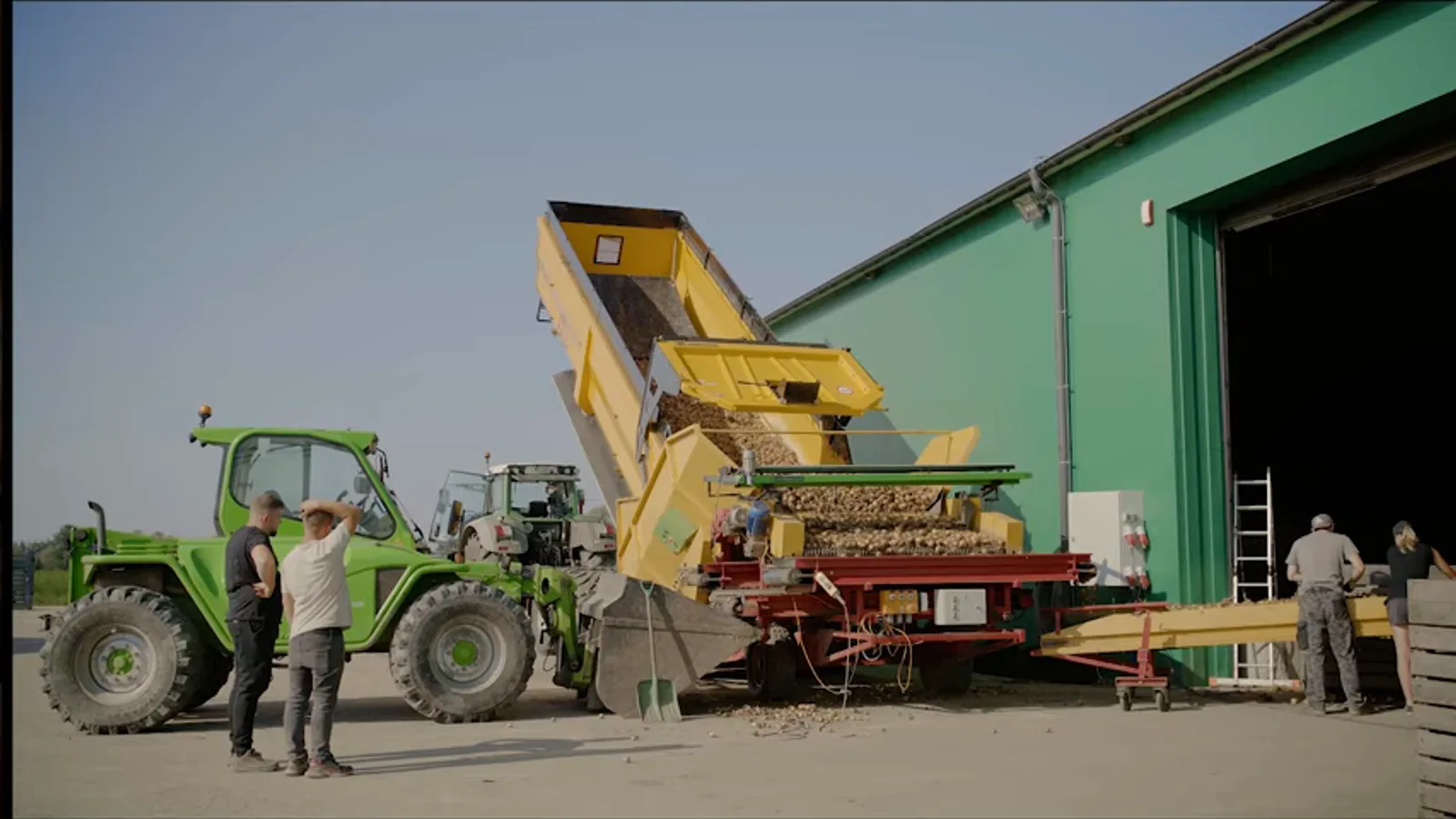
On top of that comes the infrastructure that closes the system. We have our own store for around 13,000 tonnes and a fleet of 87 machines, so we move the goods from field to loading with no middlemen. We check every batch, and we test the raw material for residues of plant protection products, heavy metals and substances harmful to health. It is this part, invisible to the buyer, that stands behind the certificate.
GMP+ within our full set of certificates
None of our certificates works on its own. Each answers a different buyer question, and together they give a full picture of a farm you can check at every stage.
| Certificate | Which question it answers |
|---|---|
| GlobalG.A.P. | is the vegetable safe and where does it come from |
| GRASP | do the people behind this produce work in good conditions |
| GMP+ | is the feed raw material safe across the whole chain |
| FSA Gold | does the farm operate sustainably |
| Integrated Plant Production | are crop protection and fertilisation handled sensibly |
GlobalG.A.P. on its own, and what it gives a vegetable buyer, we break down in a separate post on the GlobalG.A.P. certificate, and the working conditions module in the piece on the GRASP certificate. How this full set translates into day-to-day trade and delivery formats, we cover in our post on wholesale onions from the Żuławy. You will find grain from our programme in the wheat offer.
Looking for a supplier with a full set of certificates and complete batch traceability? Write to us through the contact page or see what the GlobalG.A.P. certificate gives the buyer.