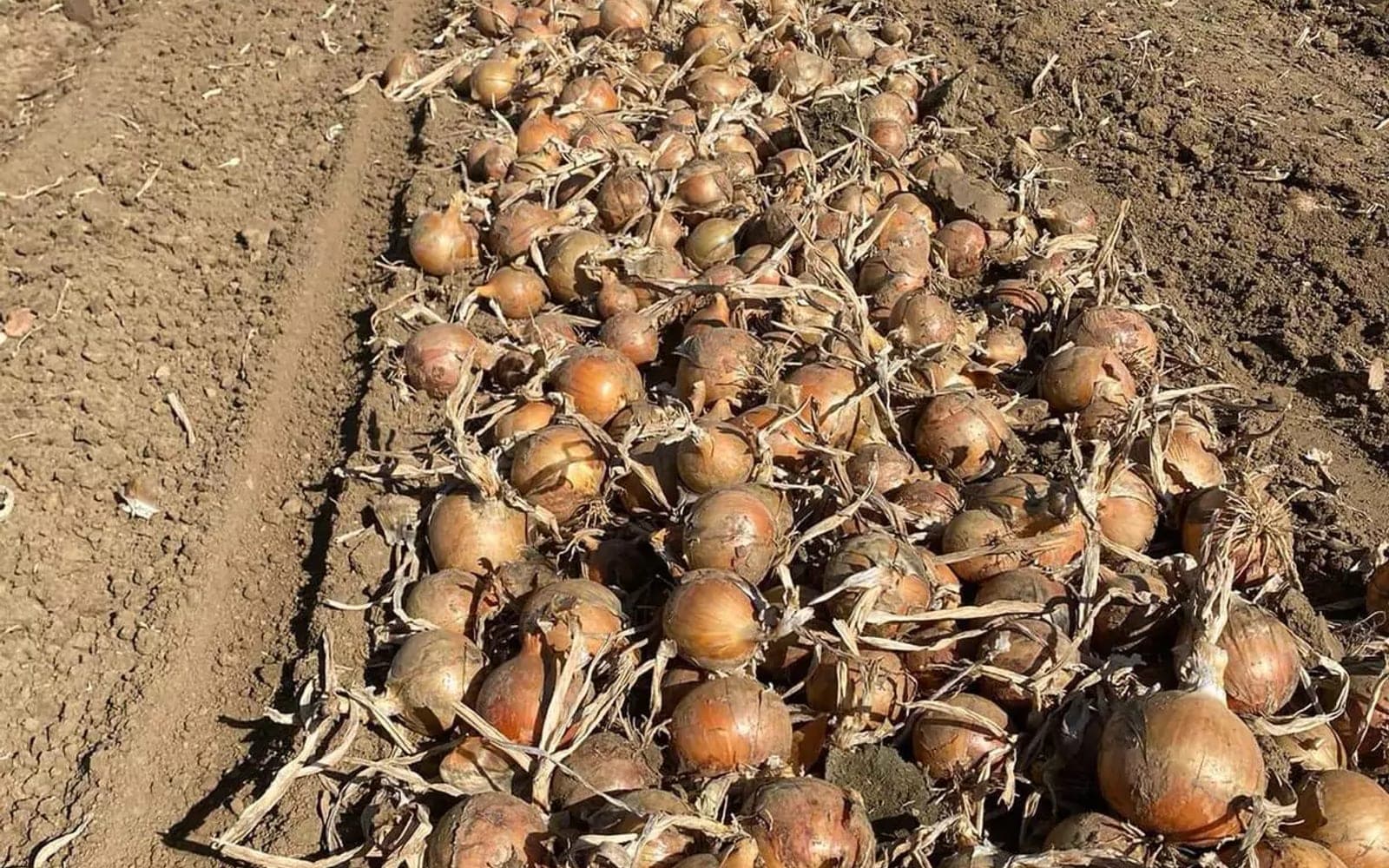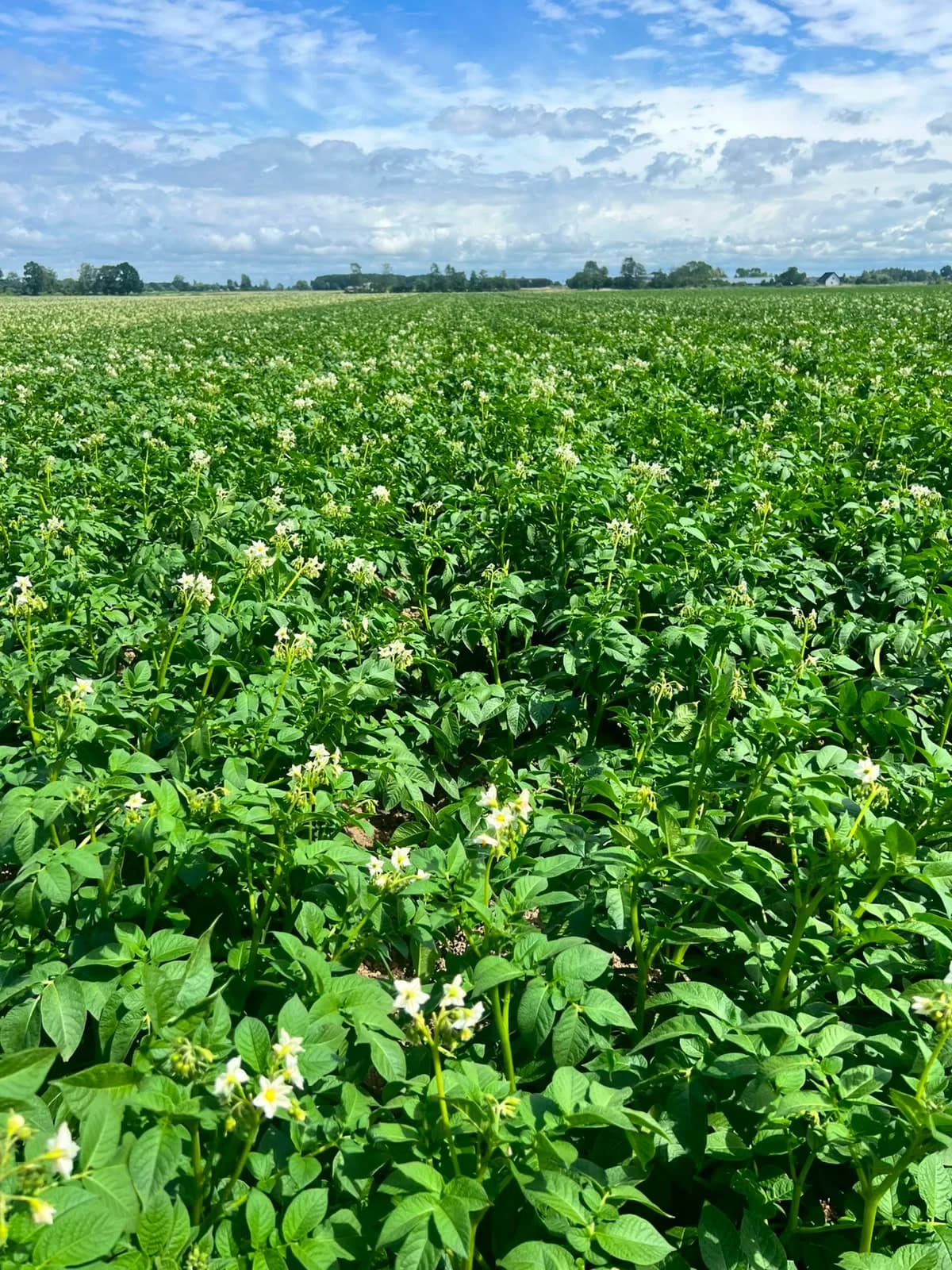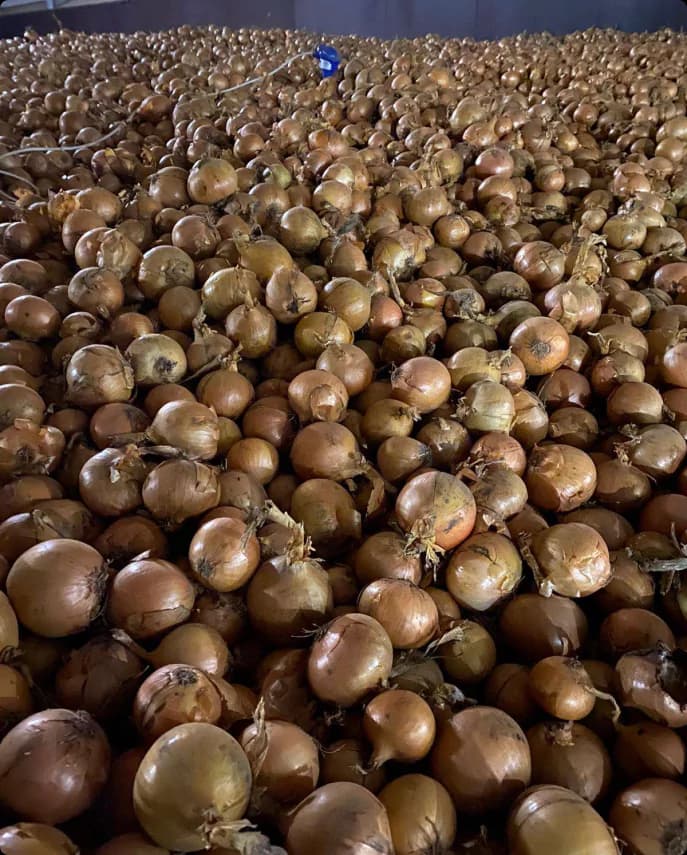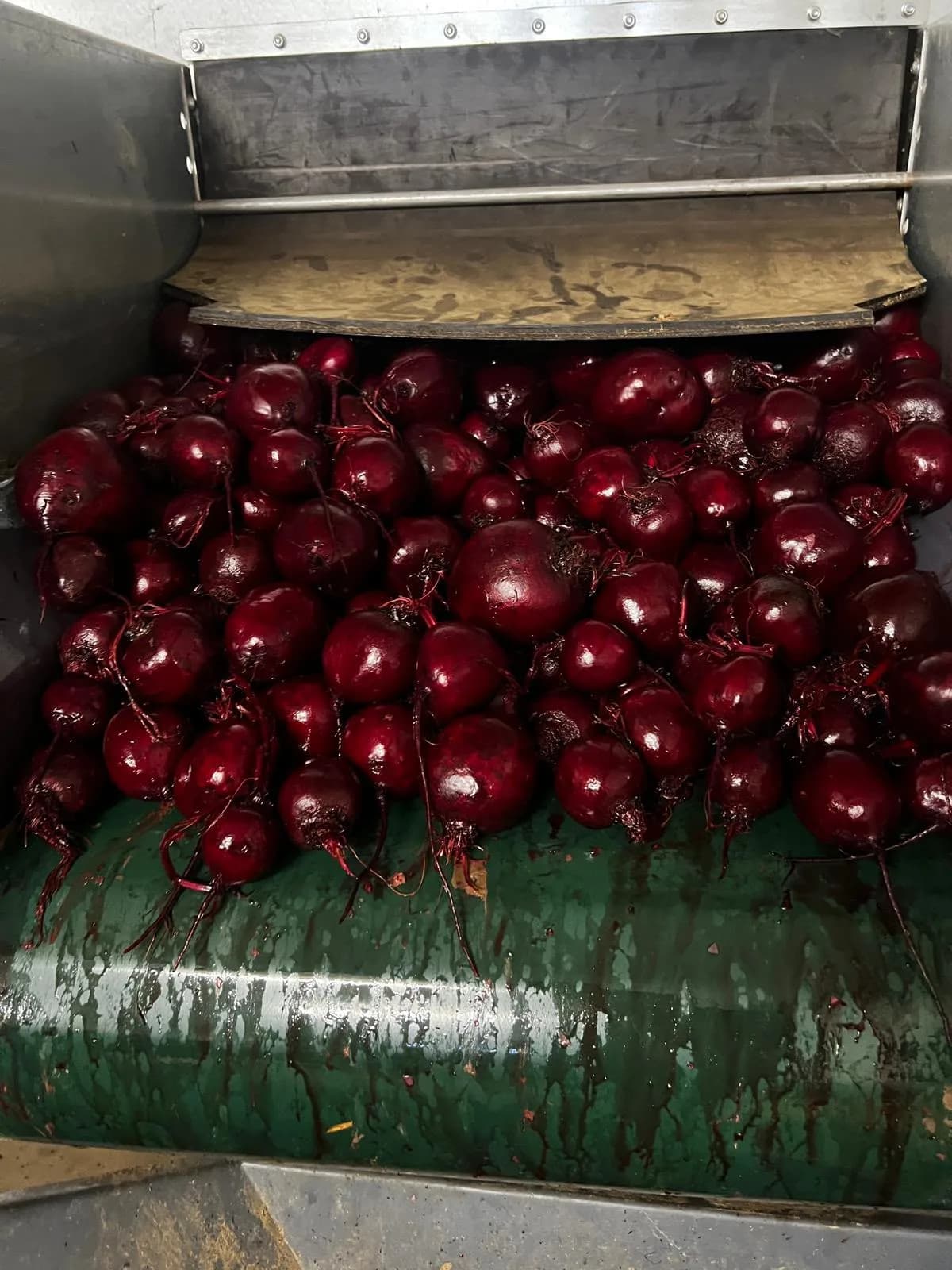
The short answer: no regulation forces a farm to hold a GlobalG.A.P. certificate, but the market demands it in practice. The largest retail chains and processing plants in Poland and Europe expect the produce on their shelves and production lines to come from certified farms. Without GlobalG.A.P., vegetables simply do not enter that chain. We know this from the inside, because we supply onions and potatoes to partners who serve those chains.
The law does not require it, the market does
GlobalG.A.P. is a private standard, not a government one. Formally, you can grow and sell vegetables without it: at local markets, to small wholesalers or in direct sales, nobody will ask for a certificate. The line appears the moment produce is meant to reach a large retail chain or a processing plant.
A large buyer cannot personally inspect the hundreds of farms its produce indirectly comes from. Instead, it shifts verification to an independent audit: it requires its suppliers to buy raw produce only from farms with a valid certificate. As a result, GlobalG.A.P. works like an entry ticket. It does not guarantee a contract, but without it the conversation about cooperation usually ends before it begins.
What retail chains expect from vegetable suppliers
The requirements of chains and processors repeat regardless of the country. We have collected the most important ones and show which standard answers each.
| What the buyer expects | Which standard answers it |
|---|---|
| Traceability: exactly where a batch comes from | GlobalG.A.P. (every batch traced back to field and season) |
| Food safety: crop protection under control | GlobalG.A.P. + residue testing |
| Fair working conditions at harvest and packing | GRASP (a GlobalG.A.P. module) |
| Environmental responsibility of the farm | FSA (Farm Sustainability Assessment) |
| Safety in the feed and grain chain | GMP+ |
This is why GlobalG.A.P. alone is increasingly not enough. Chains and processors keep adding requirements, and the raw produce supplier needs the full set. What exactly the auditor checks and how the annual audit works, we describe in our post on what GlobalG.A.P. gives the buyer.
How it works in the supply chain
A farm rarely delivers straight to a retail shelf. The standard chain looks like this: the farm sells raw produce to a packing or processing company, and that company serves retail chains and food service. Requirements travel down the chain: the retailer holds the packer and processor accountable, and the packer and processor hold the farm accountable.
Our vegetables go to market leaders such as Onix, Farm Frites and FreshPol, partners supplying the largest retail chains and processing plants in Poland and Europe. Each of them checked our certificates and the way we work before they started buying from us. And they keep checking every season, because their own buyers hold them accountable for it. How such wholesale cooperation looks in practice, from first contact to deliveries, we describe in our post on wholesale onions from Żuławy.
We hold GlobalG.A.P. with the GRASP module, the FSA Gold certificate (Farm Sustainability Assessment, the highest of three levels) and GMP+. We run the whole farm according to the principles of Integrated Plant Production.
The certificate alone is not enough
A certificate opens the door, but it does not replace daily work on the produce. A large buyer will sooner or later verify the raw produce in a laboratory, which is why every batch of ours goes through constant quality control, and we test the produce for residues of plant protection products, heavy metals and substances hazardous to health. We produce using a pesticide residue free technology, in line with the principles of Integrated Plant Production. What these analyses look like and why we run them for every batch, we describe in our post on pesticide residue testing.
From the buyer's point of view, the difference is simple: a supplier with a certificate and testing means raw produce that passes retail audits without surprises. A supplier without them is a risk that no large buyer will take on at any price.
What this means at our scale
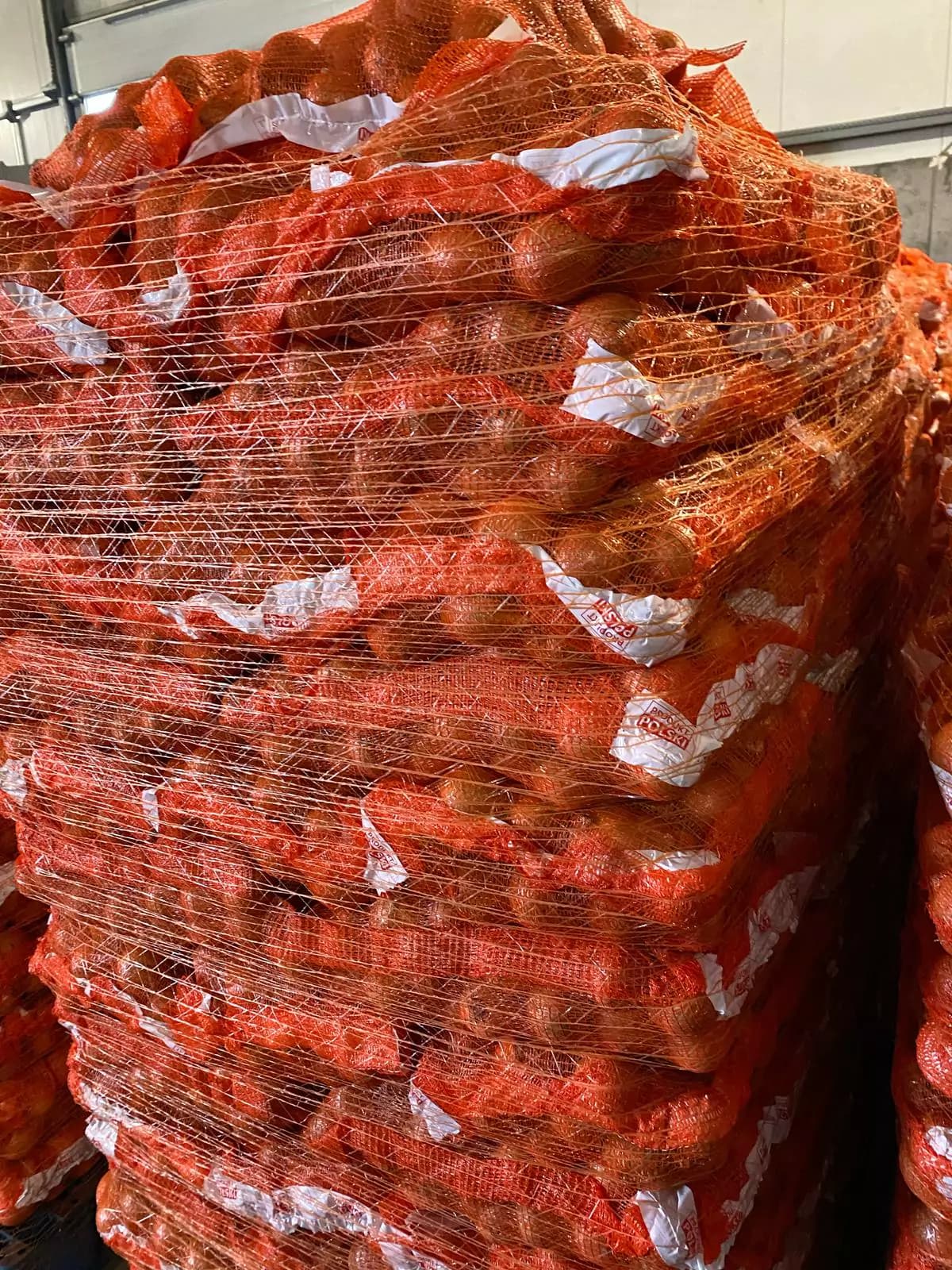
Retail requirements are easy to meet on paper, harder at high volume. We farm over 800 ha, including around 400 ha of vegetables and around 250 ha of onions. We have our own 13,000 tonne storage facility and an automated packing line, so produce leaves us in a steady stream all year round, not only during harvest. At this scale, traceability and documentation are not an add-on to production but part of it: without them, it would be impossible to run hundreds of batches through fields, storage and packing.
Looking for a vegetable supplier that will pass your buyers' audits? See our onion offer or write to us via the contact page.