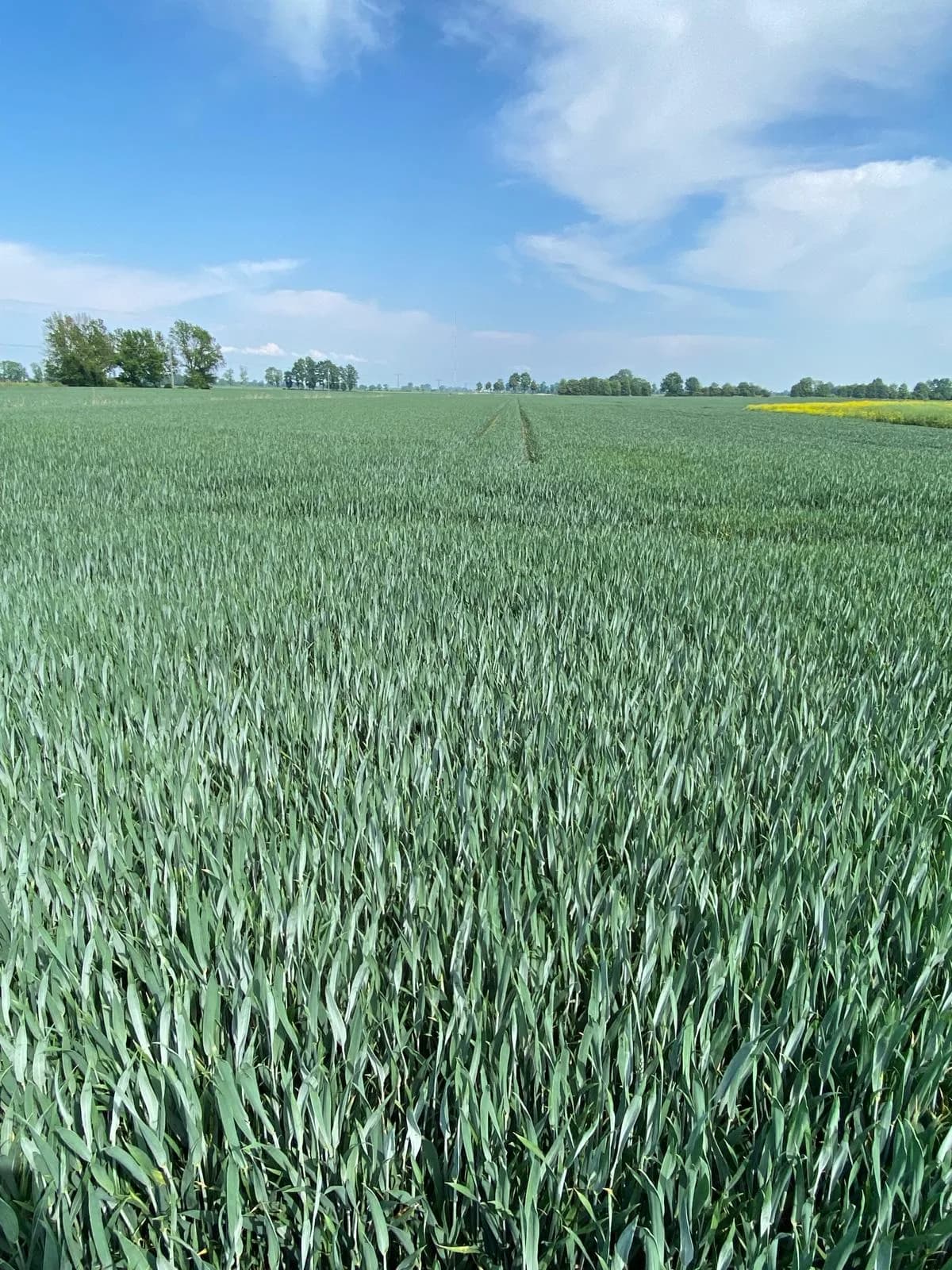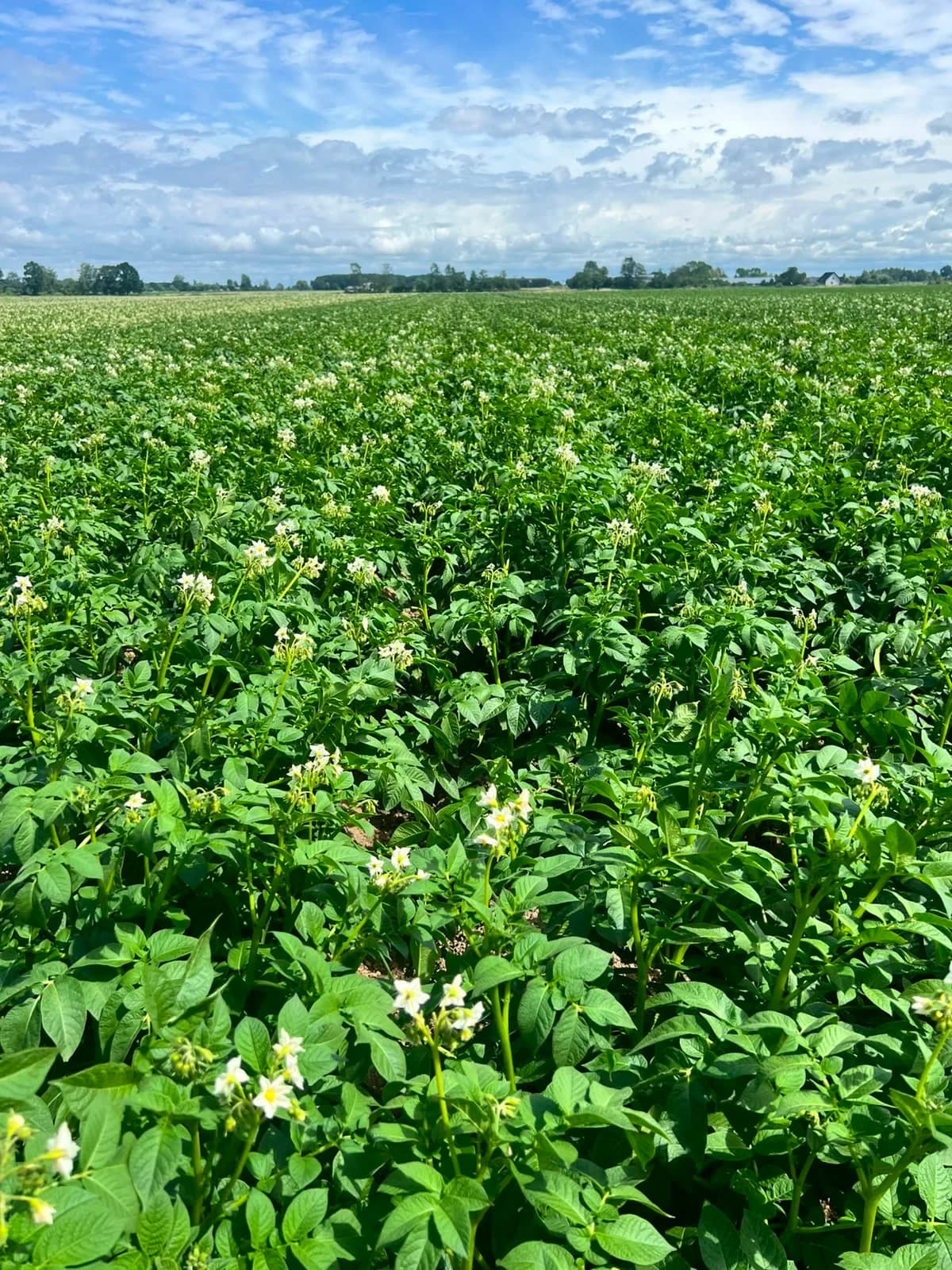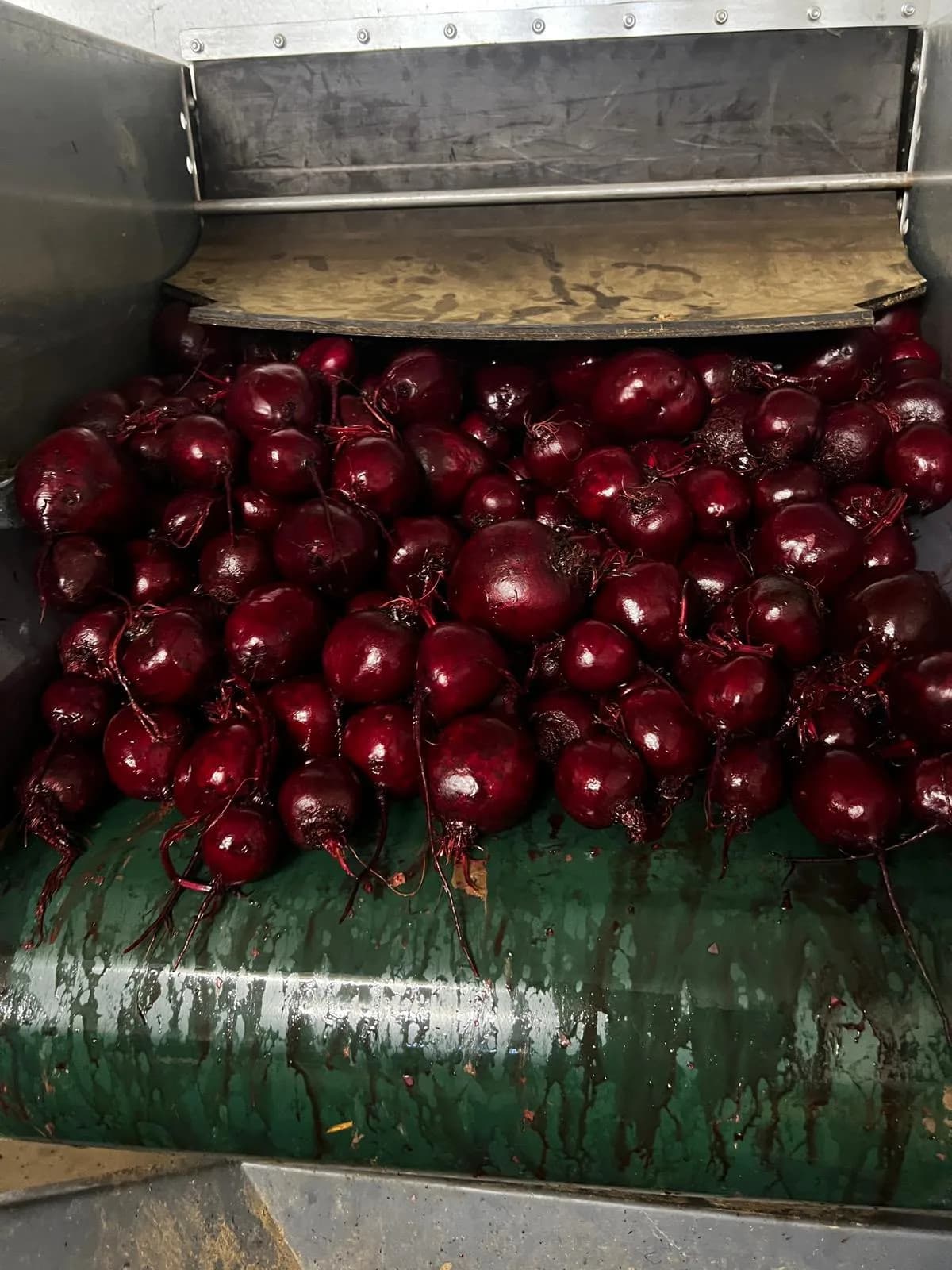
According to the Integrated Production methodology for beetroot from the Institute of Horticulture - National Research Institute, the optimal temperature for storing beetroot is 1-2°C, with a relative air humidity of 95-98%, and in these conditions beetroot can be stored for as long as 8 months. Below we show what we do with the roots on our farm and how to check a batch of beetroot after storage.
From field to line: what happens to beetroot after harvest
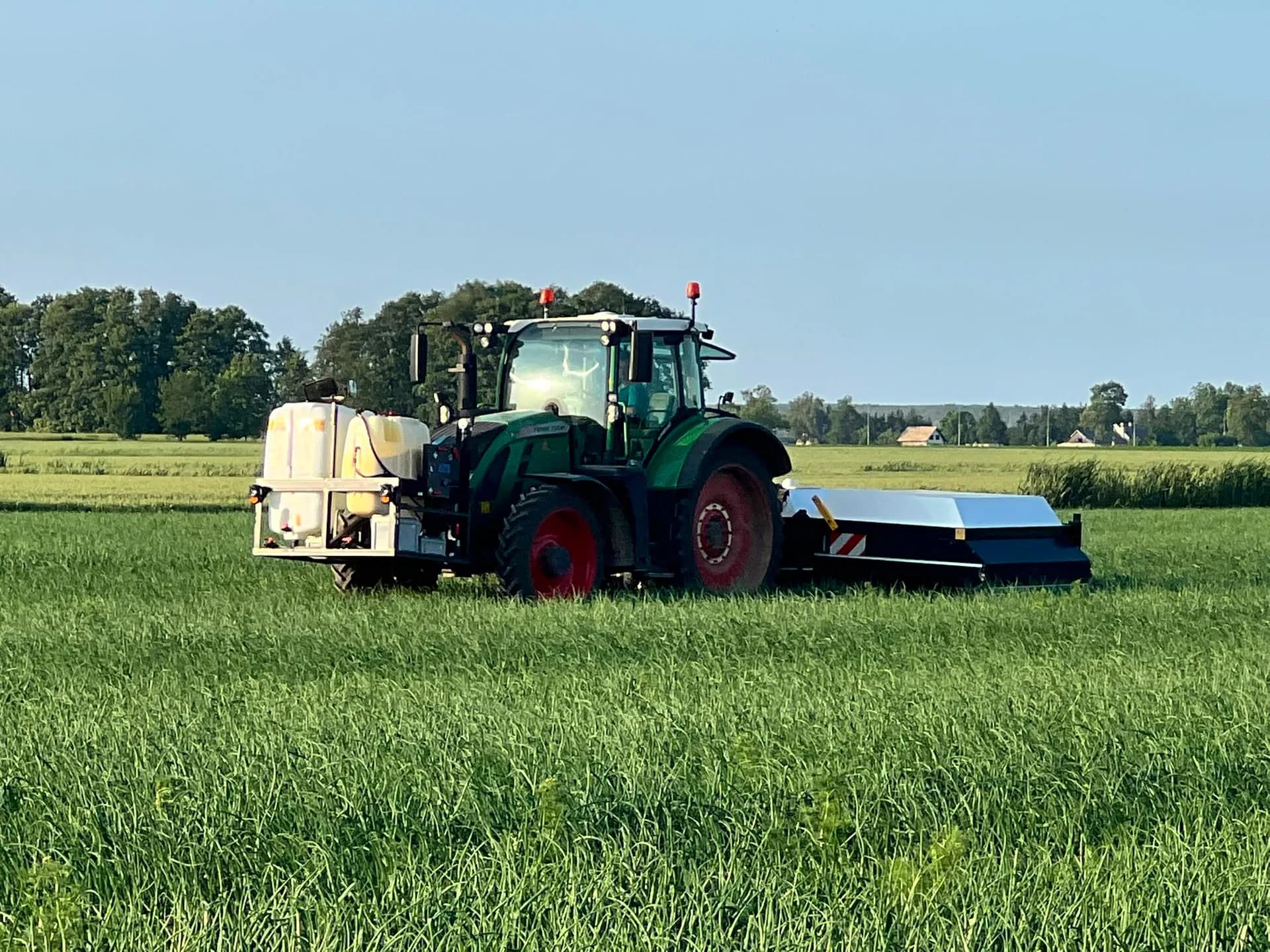
We harvest beetroot with our own machinery. The IP methodology states that beetroot is harvested before the autumn frosts, in our climate zone at the end of September - beginning of October, very carefully so as not to damage the roots, and in dry weather.
For hand harvesting, the IP methodology describes cutting the leaves short, to 1 cm at most, straight after lifting, so that the root does not wilt quickly, while the taproot is trimmed only if it has been damaged. The same methodology considers medium-sized roots, 7-10 cm in diameter, from later sowing dates the best for storage.
We mostly rely on the Wodan, Monty, Chisel and Titan varieties. We choose them for high brix, an even shape and deep-red flesh, because a high sugar content is especially valued in processing. We cover the lifting date and root parameters in our post on harvesting beetroot for processing.
Sorting on the DOWNS CropVision
We sort beetroot on the DOWNS CropVision optical sorter. Cameras and AI scan every root through 360 degrees and reject stones, clods of soil and defective roots. The machine handles up to 100 tonnes per hour, so large batches move through quickly.
On top of that, we select every batch for firmness, colour and dry matter content, and we test it for pesticide residues, heavy metals and substances harmful to health. We grow with technology that leaves no pesticide residues, following the principles of Integrated Plant Production.
Storage conditions under the IP methodology
Here we set out what the methodology says about storing beetroot. These are values from the source, not our own parameters. How we store onions, our main crop, is covered in our guide to onion storage.
| Issue | What the methodology states | Source |
|---|---|---|
| Temperature | 1-2°C | IP methodology |
| Relative humidity | 95-98% | IP methodology |
| Time in optimal conditions | as long as 8 months | IP methodology |
| Long periods close to 0°C | black, necrotic spots under the skin and inside the root | IP methodology |
| Higher temperature | roots sprout leaves vigorously | IP methodology |
| Low humidity | wilting, and once weight loss exceeds 7%, loss of commercial value | IP methodology |
| Loading the cold room | gradually, over no more than 5-6 days | IP methodology |
How much produce is left after winter? In a table from the IP methodology, after 7 months of storage the share of marketable roots at 0°C was 76.3% for the Czerwona Kula variety and 89.9% for Chrobry, at 2°C 85.5% and 95.3%, and at 5°C 93.2% and 97.4%. Even so, the IP methodology gives 1-2°C as optimal and warns that at higher temperatures roots sprout leaves vigorously. The IP methodology also notes that there are no major differences in storage life between the varieties grown in Poland that are recommended for long-term storage.
For stores with active ventilation, the IP methodology describes storing beetroot loose in a layer 2-3 metres deep: cooling with outside air is effective at a temperature difference of at least 3°C, and too much ventilation makes the roots wilt and raises weight loss.
The IP methodology does not recommend storing beetroot in a controlled atmosphere and adds that beetroot produces trace amounts of ethylene and is very insensitive to this gas.
Why beetroot goes soft and rots in store
According to the IP methodology, roots stored at low air humidity wilt, and once weight loss exceeds 7% they lose their commercial value.
According to the IP methodology, symptoms of Sclerotinia rot show mainly during storage: a white, dense, fluffy coating of mycelium on the roots, and the disease enters the store with infected roots and infected soil from the field. The IP methodology recommends cooling the roots immediately after harvest and keeping temperature and humidity constant throughout storage.
According to the IP methodology, grey mould appears mainly during storage, first as brown, watery spots, then as a grey coating on the roots, and infection can happen even at 0°C. According to the same methodology, the fungus also survives on packaging and on store structures, and the IP hygiene and sanitation rules include keeping rooms, vehicles and packaging clean.
How to check a batch of beetroot after storage: step by step
- Ask for a free sample from the batch you want to buy.
- Check the firmness of a few roots: according to the IP methodology, wilting beyond 7% weight loss means a loss of commercial value.
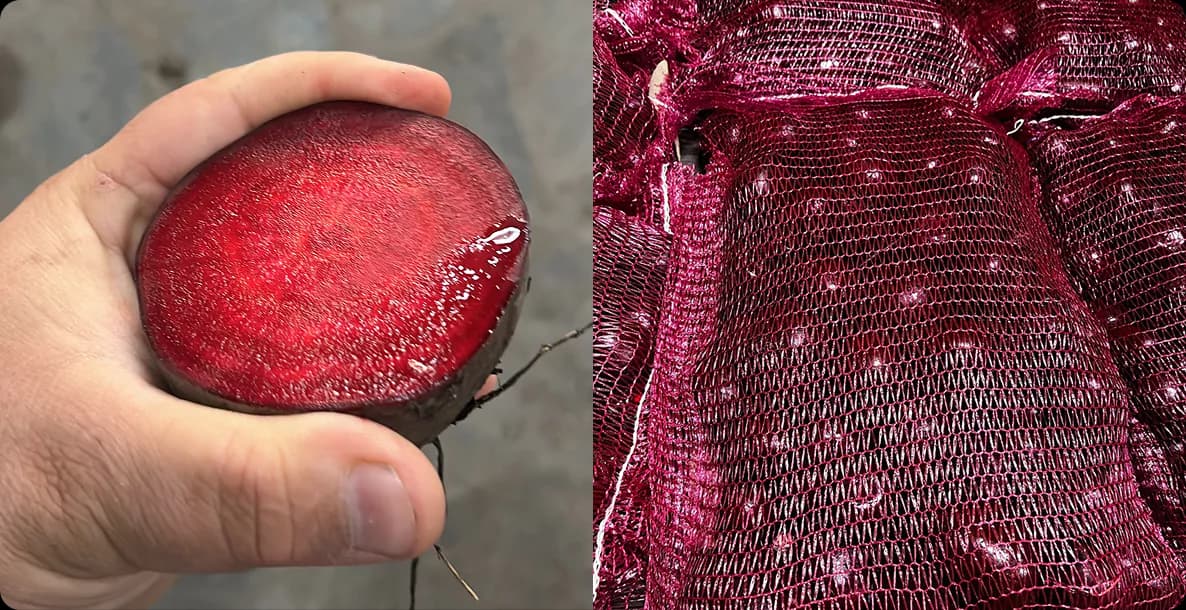
- Cut a few roots open and look at the flesh: the IP methodology describes damage from long periods of cold close to 0°C as black, necrotic spots under the skin and inside the root.
- Look at the surface: according to the IP methodology, a white, fluffy coating is a symptom of Sclerotinia rot, while brown, watery spots and a grey coating mean grey mould.
- Watch for new leaves, because according to the IP methodology, at higher temperatures roots sprout leaves vigorously.
Delivery formats, sample and price
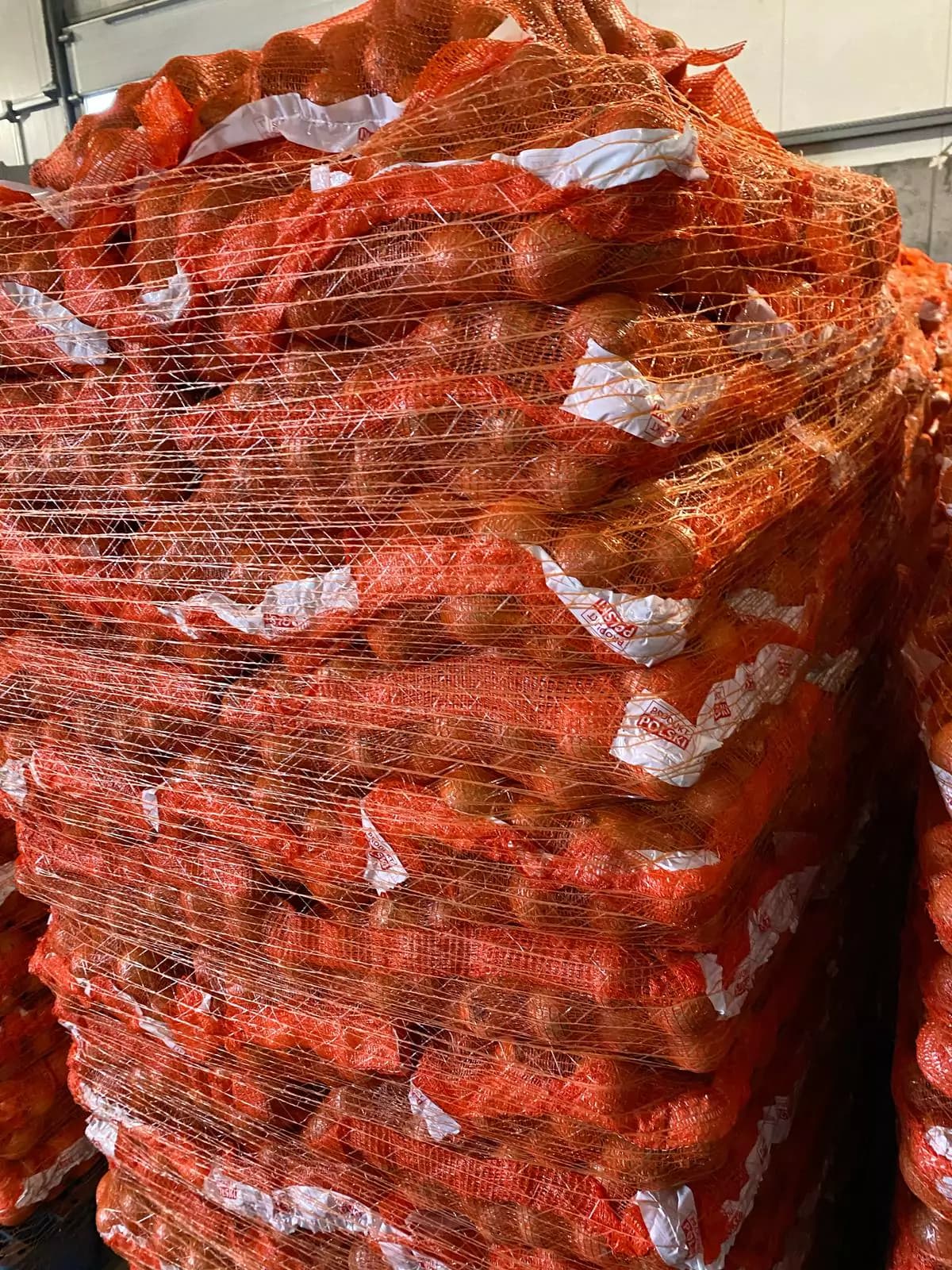
We deliver beetroot loose, in big bags and in 15 kg, 10 kg and smaller bags, and we match size and packaging to the buyer. We have gathered the full specification in our beetroot offer.
We farm more than 800 hectares, including around 400 hectares of vegetables, and work with 87 machines. Beetroot is one of the 8 items in our offer. We hold GlobalG.A.P., GRASP, FSA Gold (Farm Sustainability Assessment) and GMP+ certificates.
We calculate the price based on current market prices. Write to us through the contact form, tell us the quantity, size and delivery format, and on request we will send a free sample.