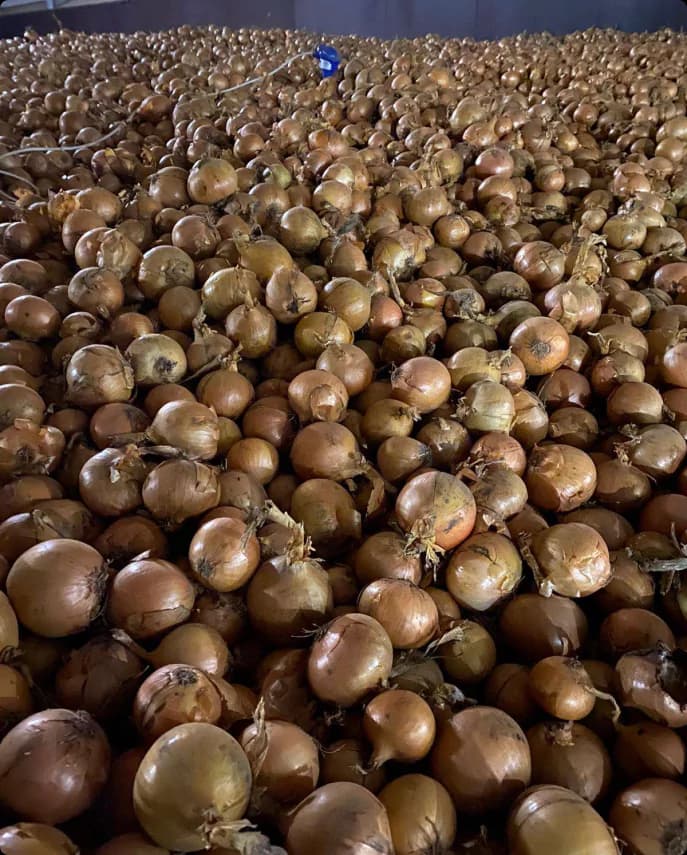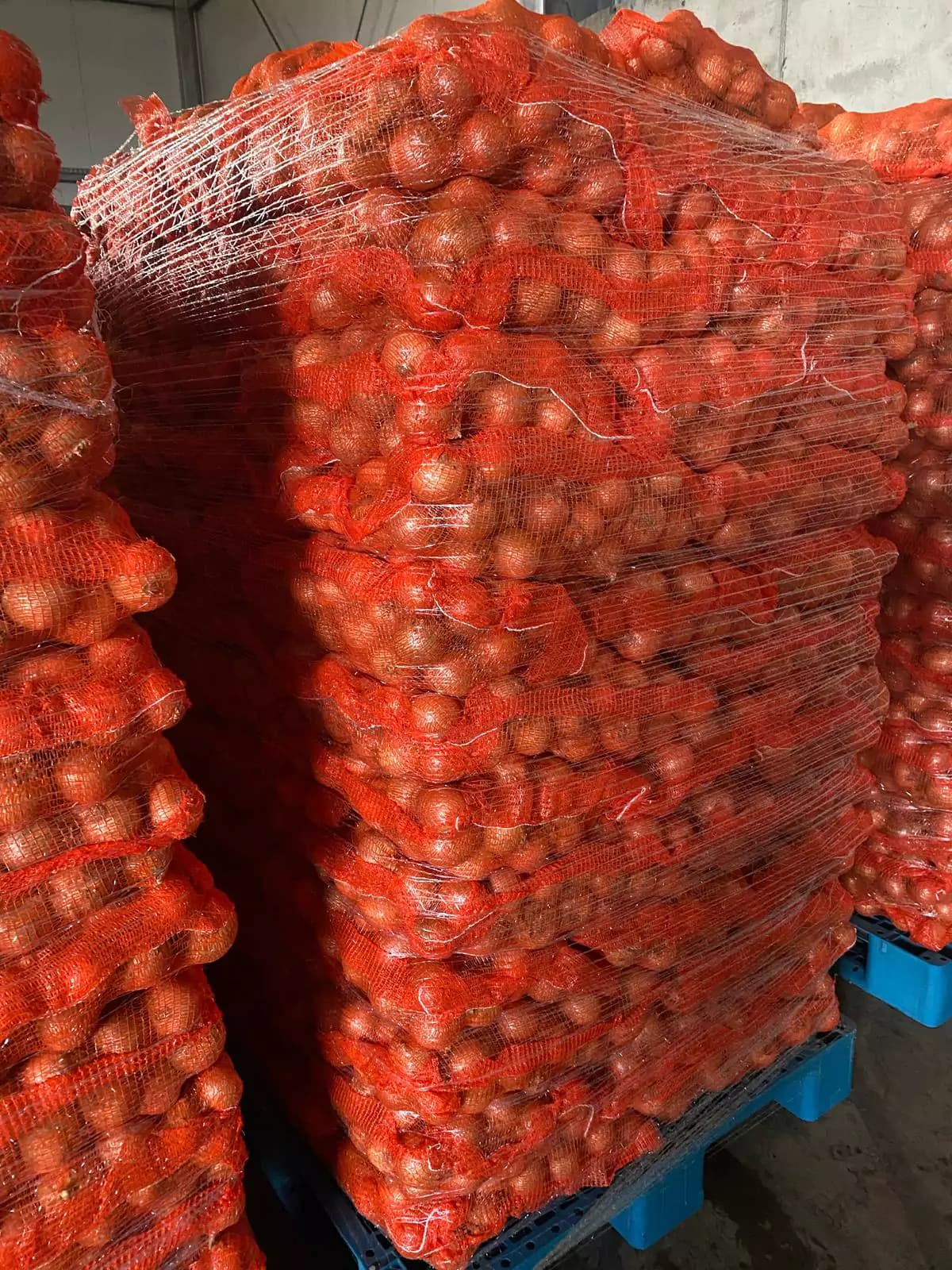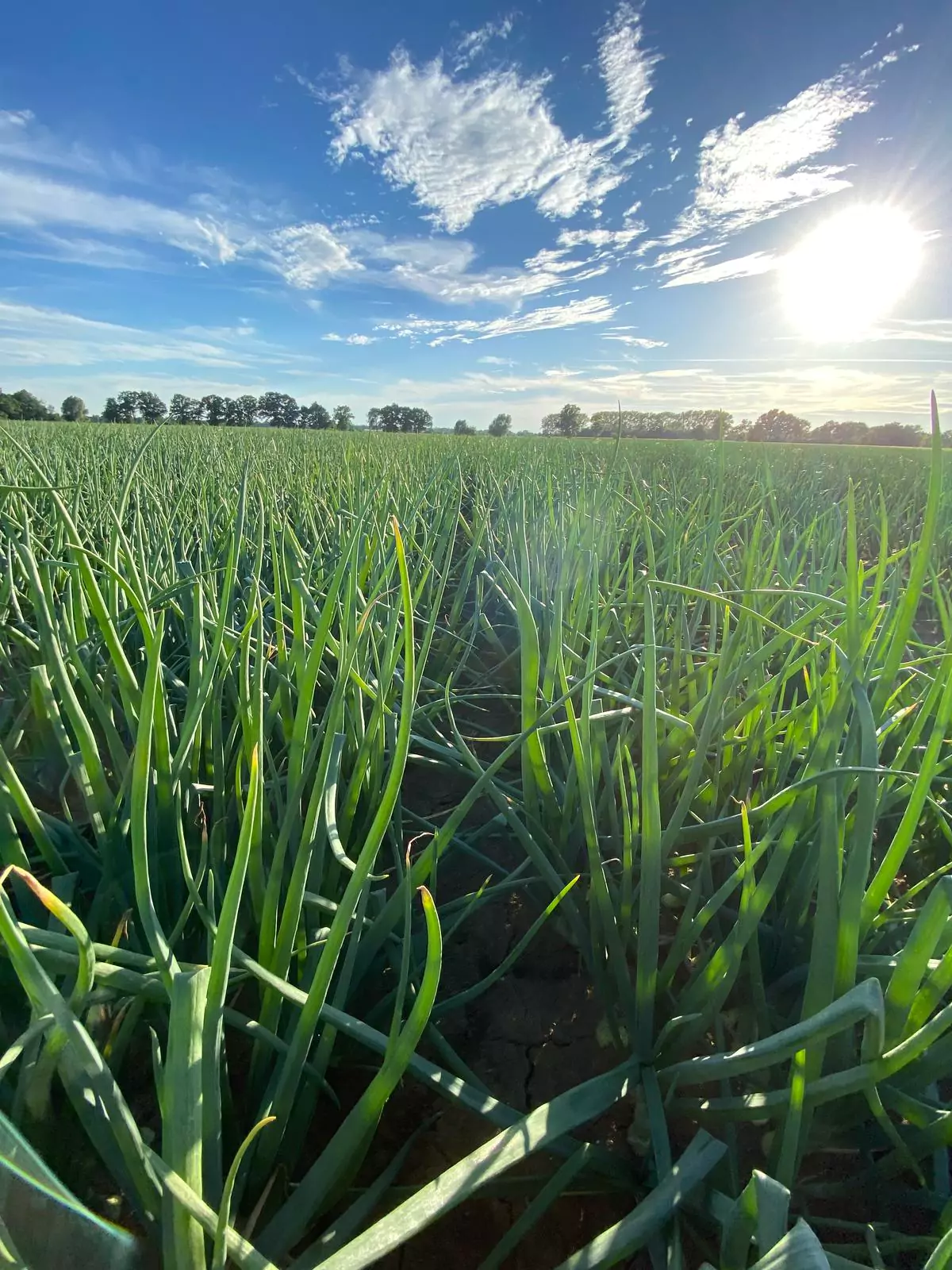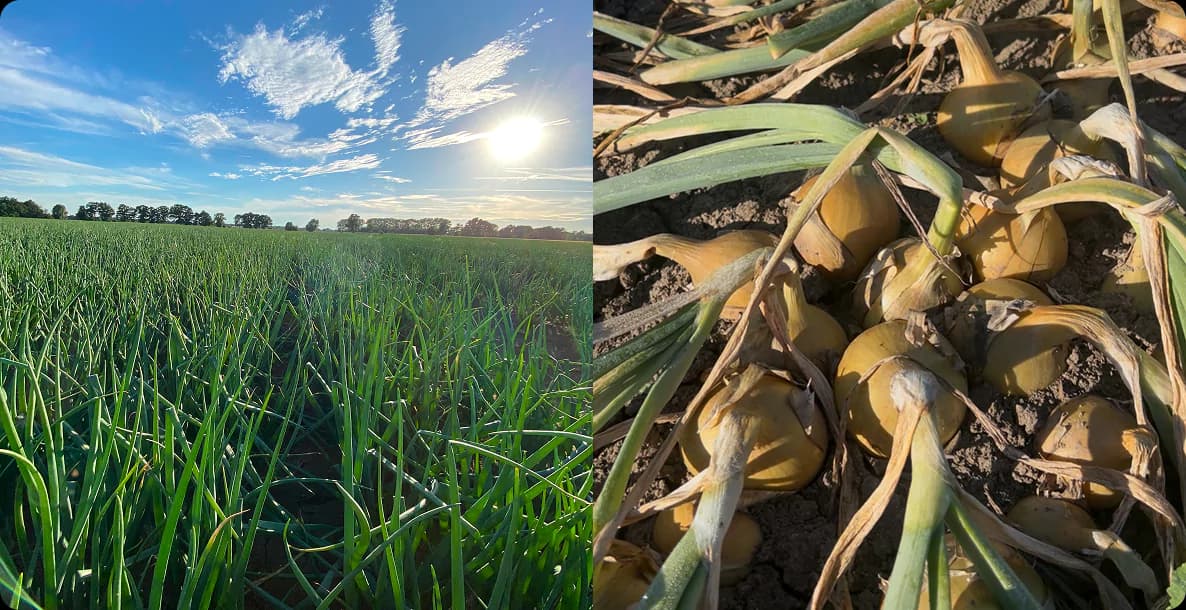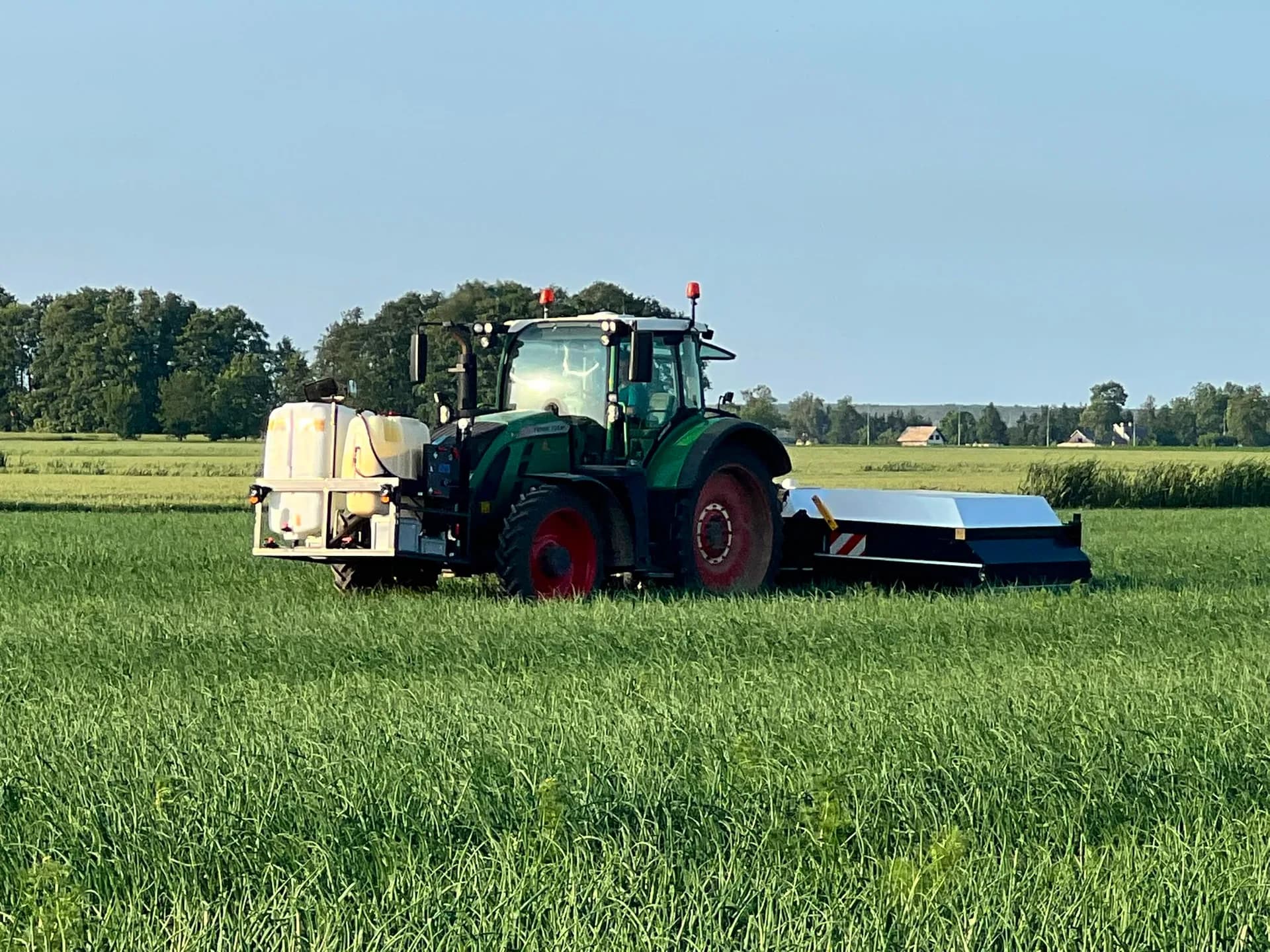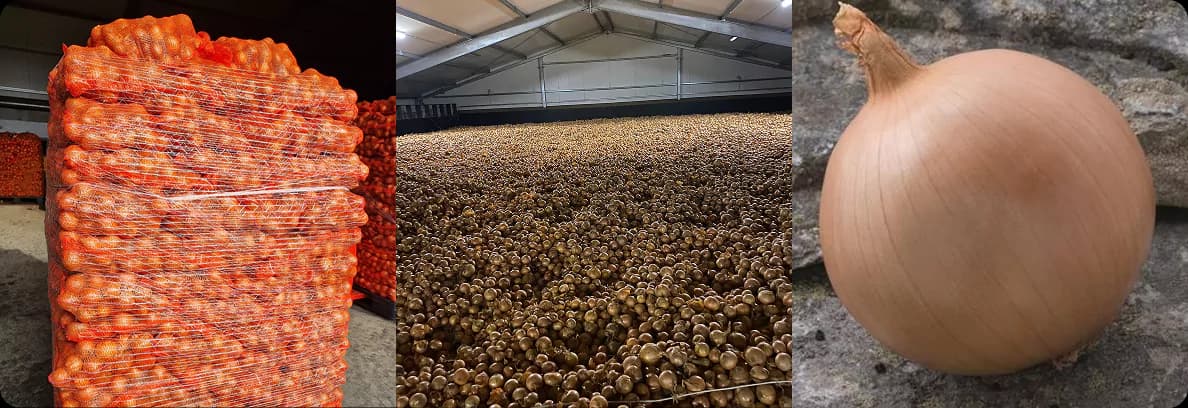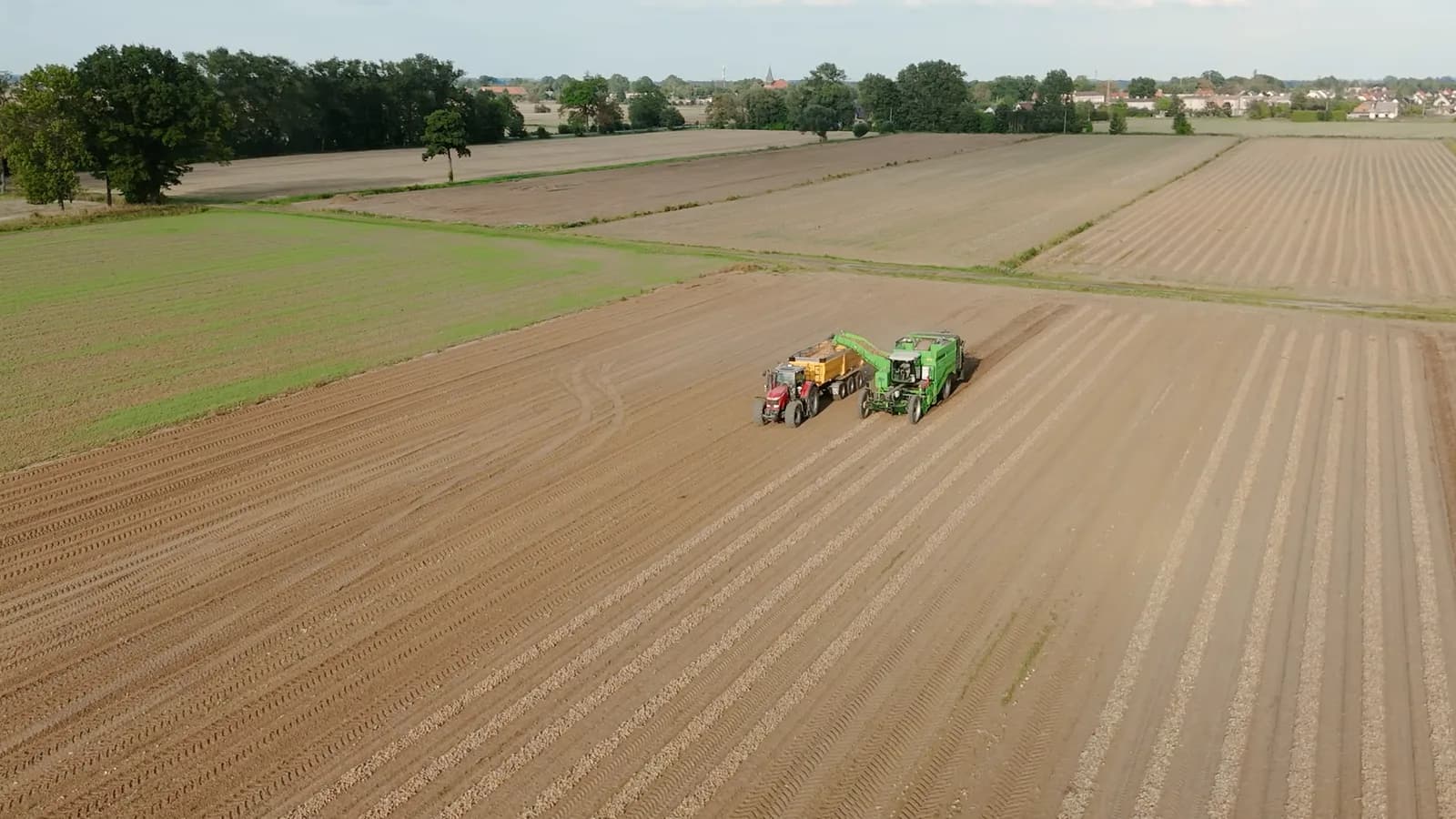
The Netherlands has set the tone of the European onion trade for decades, and for years "Dutch" was shorthand for "benchmark" in this product. That advantage is not magic, though. It comes from three things: polder soils, variety breeding and storage technology. We grow around 250 hectares of onions in Żuławy, on soils comparable to the Dutch polders, on varieties of the same type and with similar machinery behind us. So we think this comparison deserves an honest write-up, point by point.
Where the Dutch position came from
The Dutch built a whole industry around the onion: breeding programmes, specialised machinery, grading stations and port logistics. Add the polders, fertile, deep soils reclaimed from the sea, which deliver high, even yields. The result is that Dutch onions are the reference point for the whole market, ours included.
It is worth knowing, though, that trade does not run one way. Polish onions regularly go abroad, and their buyers include companies from the Netherlands. If that market buys Polish goods, the difference clearly lies not in the country of origin but in the specific farm and the specific batch.
Soils: polders versus Żuławy alluvium
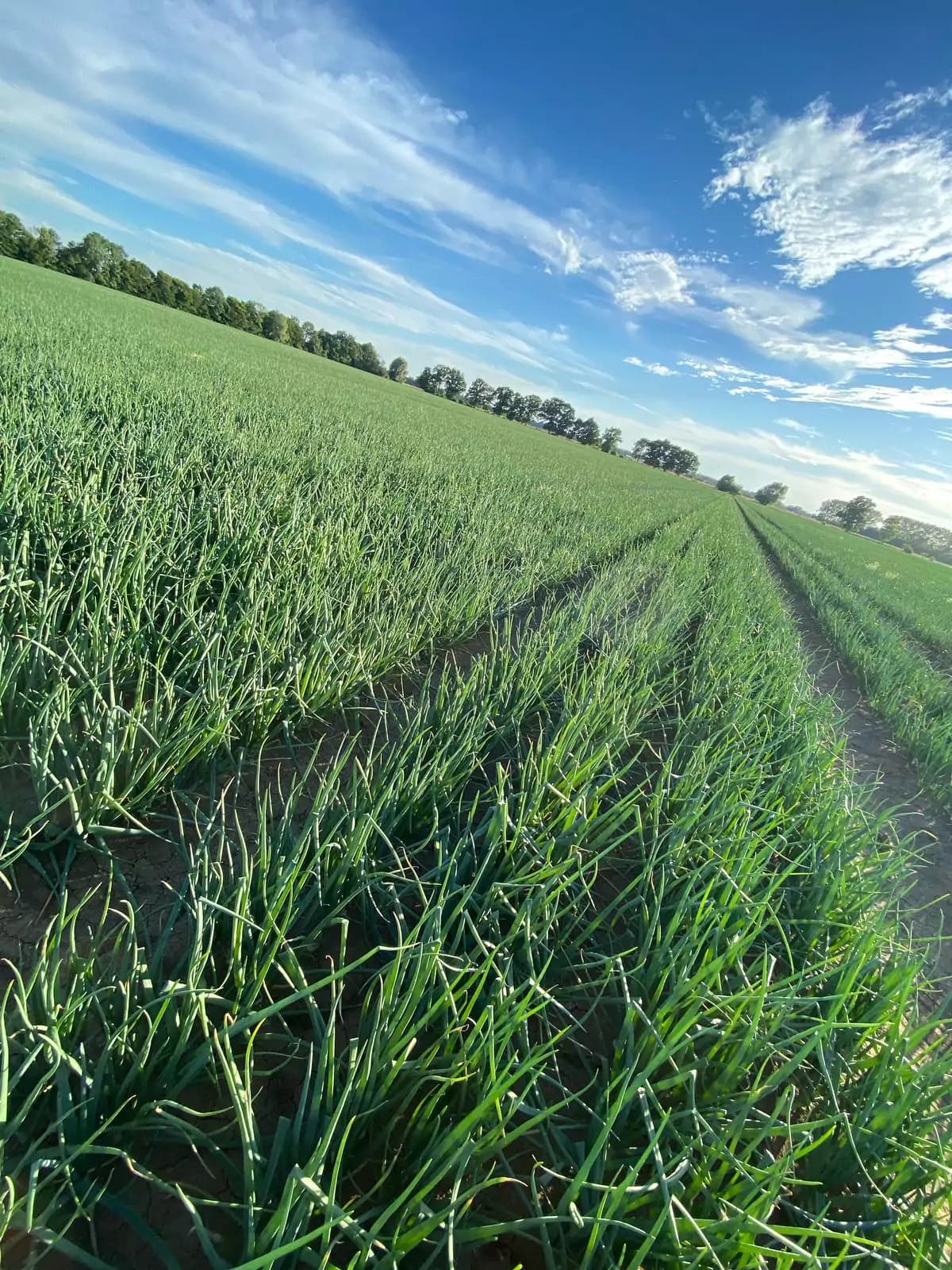
This is the heart of the whole comparison. Żuławy is the Vistula delta: land that largely sits below sea level, drained by canals and pumping stations, exactly like the Dutch polders. Over the centuries the river deposited fertile silt here, which formed deep, humus-rich alluvial soils. In its soil parameters this land is comparable to the polders on which the Dutch build their yields.
Hardly anyone besides us grows onions at this scale in Żuławy, so the potential lay untapped for a long time. We write more about the site itself in our post on Żuławy soils for onions.
Varieties: the same genetics
There is no separate "Polish" and "Dutch" onion in the botanical sense. European trade is built on Rijnsburger type onions, bred in the Netherlands itself: round, firm, in a strong straw-coloured skin, made for long storage. The varieties we base on, such as Hybelle, Hysinger and Hyfive, come from the same global breeding houses the polder growers use. Genetically, we play with exactly the same material.
Technology: this is where the gap closed fastest
Machinery and equipment are bought on the same European market these days. The comparison looks like this:
| Element | Dutch standard | How it looks at our farm |
|---|---|---|
| Harvest | two-stage, mechanised | Grimme WV 180 windrower and a self-propelled harvester |
| Curing | forced ventilation after harvest | 2-4 days before the goods go into the store |
| Storage | long-term, controlled | our own 13 000 tonne storage facility |
| Grading | optical, camera-based | DOWNS CropVision sorter, 360-degree scan |
| Availability | all year round | all year round: set-grown onions from summer, then stock from the store |
The difference between a good farm in Poland and a good farm in the Netherlands no longer lies in the equipment. It lies in whether someone uses that equipment consistently and guards quality at every step.
Logistics and costs: geography plays for us
For a buyer in Poland and Central Europe, onions from Żuławy have one advantage no polder can beat: distance. Shorter transport means lower cost, a smaller footprint and fresher goods on the ramp. Add the production cost structure, which keeps Polish onions price-competitive at comparable quality. We quote no prices here because they move with the market: we calculate them from current quotations and send a specific offer on enquiry.
What this means for the buyer
Instead of asking whether an onion is Polish or Dutch, it is worth asking about what really decides a batch: variety and type, curing method, storage conditions, grading and quality documentation. We answer all of these questions directly as a wholesale onion supplier, and we know the requirements of foreign buyers from practice, which we cover in our post on onions for export.
If you are comparing suppliers right now, take a look at our onion offer or write to us via the contact form. We will answer with specifics: varieties, sizes, packing options and delivery dates.