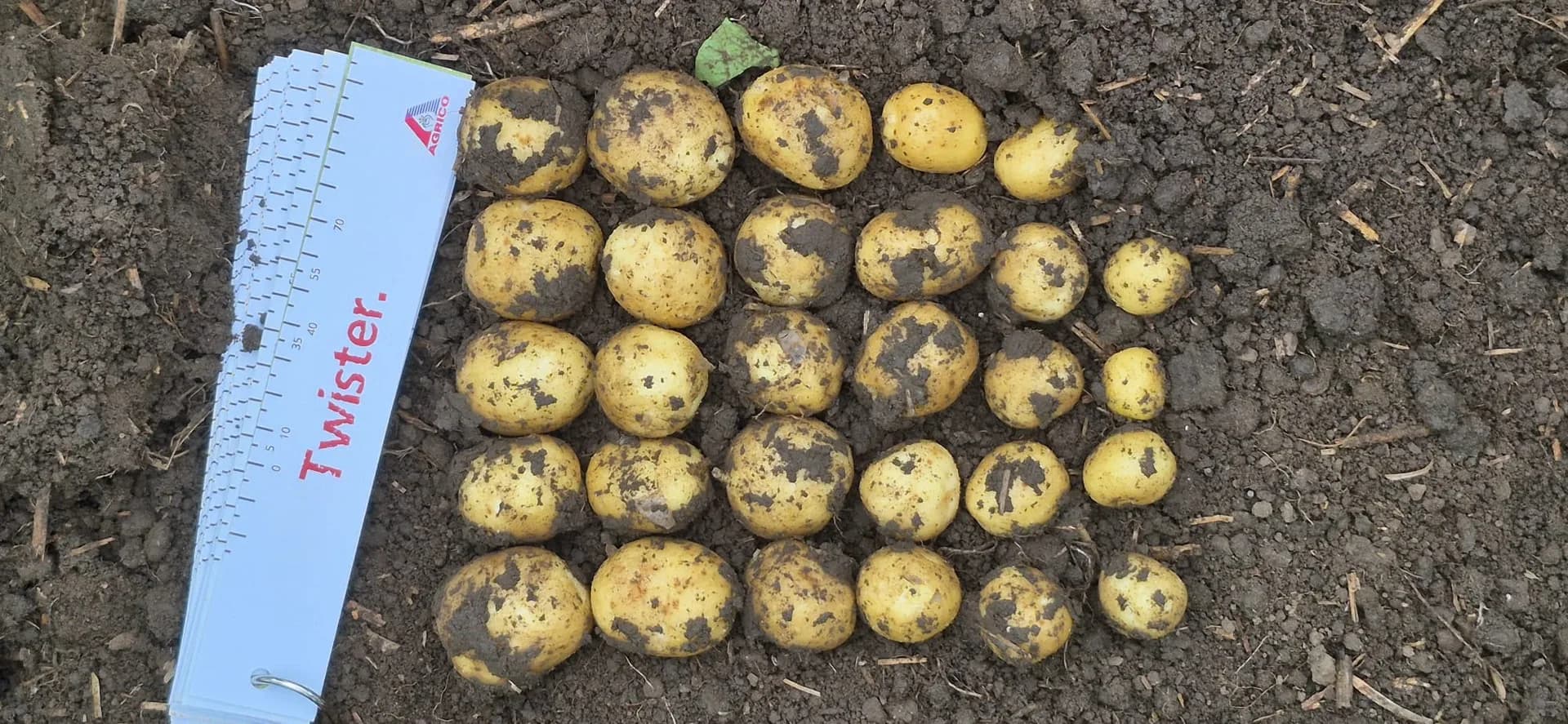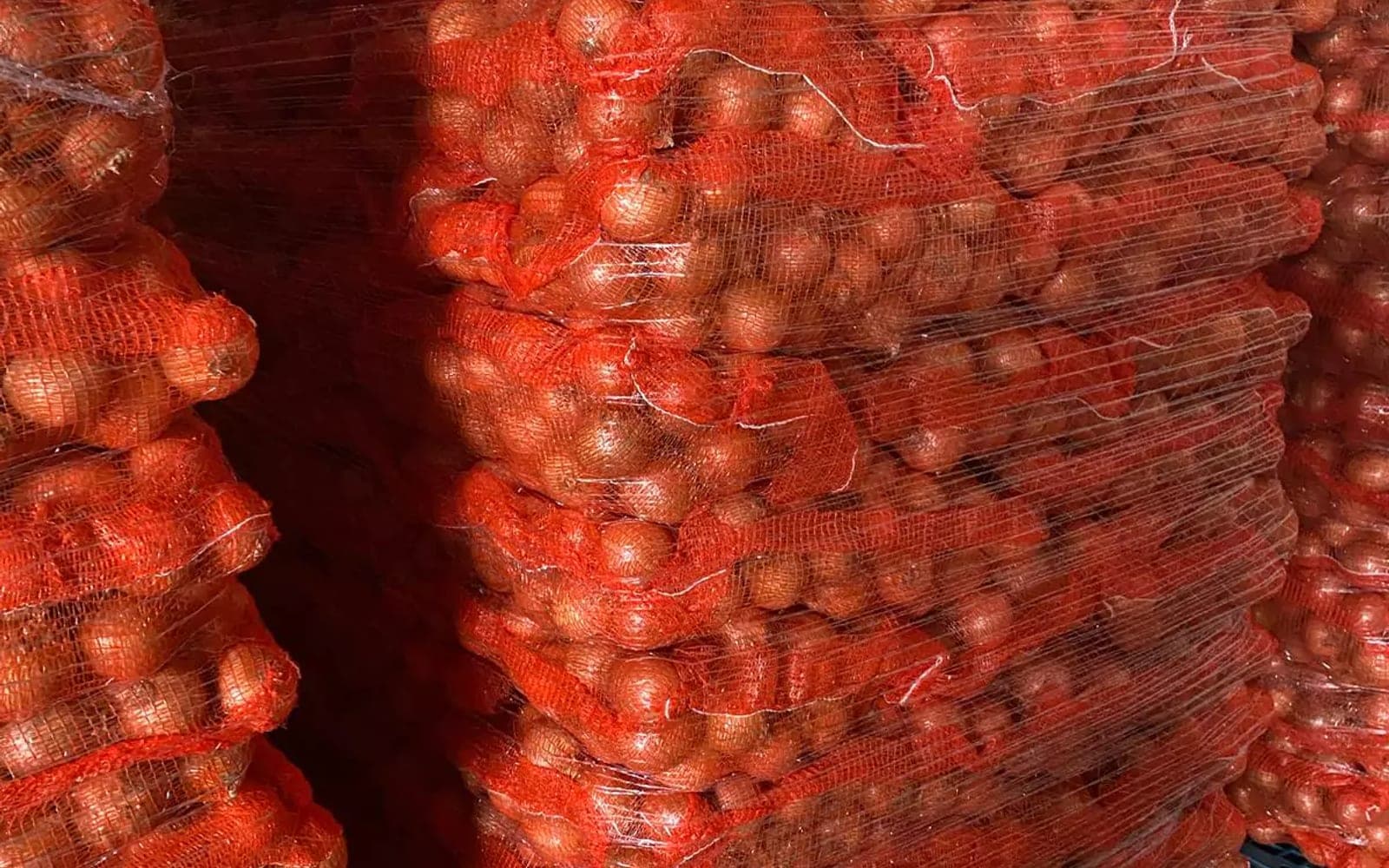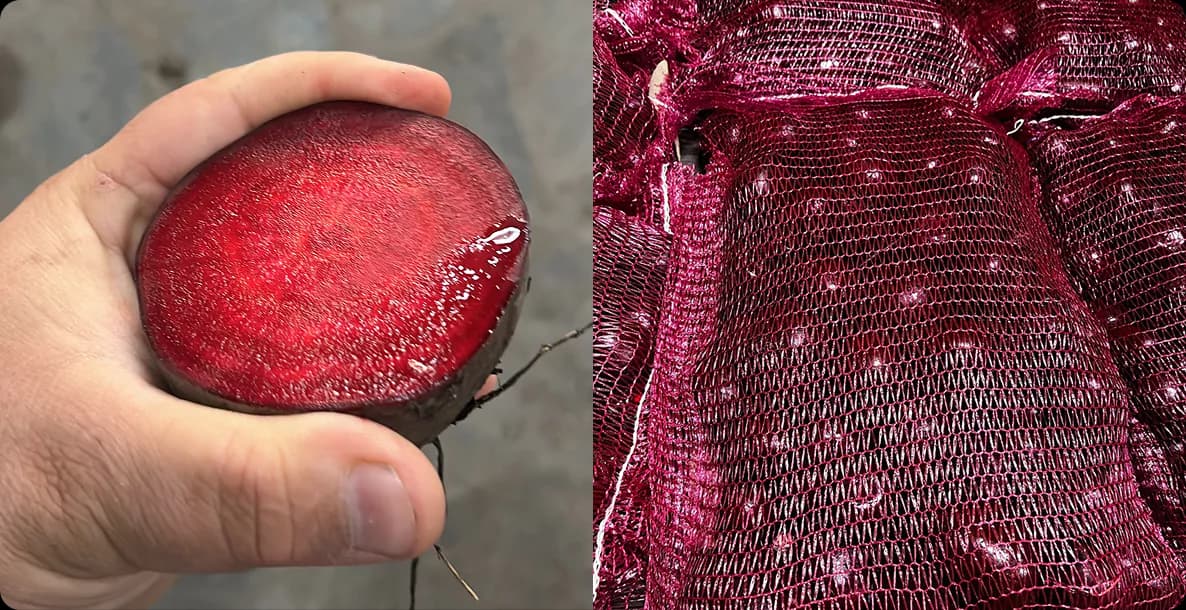
Beetroot contracting is an agreement with a buyer (the contracting party) made before the beetroot is grown: the variety, the quantity or acreage, sizing, collection dates, batch testing and documents are best agreed before sowing, because once it is sown, the variety cannot be changed. Before the 2027 season, it is worth going through these points with your supplier one by one. With us, the price is calculated based on current market prices. Below we describe what to agree on and what checklist to have before you sign.
What beetroot contracting is
This post is not about sugar beet and contracts with a sugar factory. We are talking about beetroot headed for a vegetable processing plant.
We farm more than 800 ha, including around 400 ha of vegetables. Beetroot is one of the 8 items in our range, and everything we sell grows on our own fields in Żuławy.
What to agree before the 2027 season
The middle column shows what is worth having in writing, the right column shows what we bring.
| Contract point | What to write down | What we bring |
|---|---|---|
| Variety | a specific variety or a list of approved varieties | Wodan, Monty, Chisel, Titan, with a high brix |
| Quantity | tonnes or the acreage the beetroot is to be harvested from | grown on our own fields in Żuławy |
| Size | number ranges for the type of processing | we size to the buyer's needs |
| Sorting | defects the plant will not accept | the DOWNS CropVision rejects stones, clods of soil and defective roots |
| Collection | collection windows, batch size, location | we agree the delivery method individually |
| Delivery format | loose, big bag or sacks | loose, big bag, 15 kg, 10 kg and smaller sacks |
| Testing | scope of batch testing | pesticide residues, heavy metals, substances harmful to health |
| Documents | required certificates | GlobalG.A.P., GRASP, FSA Gold, GMP+, Integrated Plant Production |
| Price | how it is calculated | based on current market prices |
Variety and brix for the type of processing
We mostly base our range on the Wodan, Monty, Chisel and Titan varieties. We choose them for a high brix, that is a high sugar content, which processors value, and also for a round, even root and deep-red flesh. We select every batch for firmness, colour and dry matter content. We write about the first of these varieties separately in our post on Wodan beetroot.
It helps if the processor states in the contract what product the raw material is for. That decides whether size, colour or sugars matter most, and which variety is worth sowing for that contract.
Size, sorting and delivery format
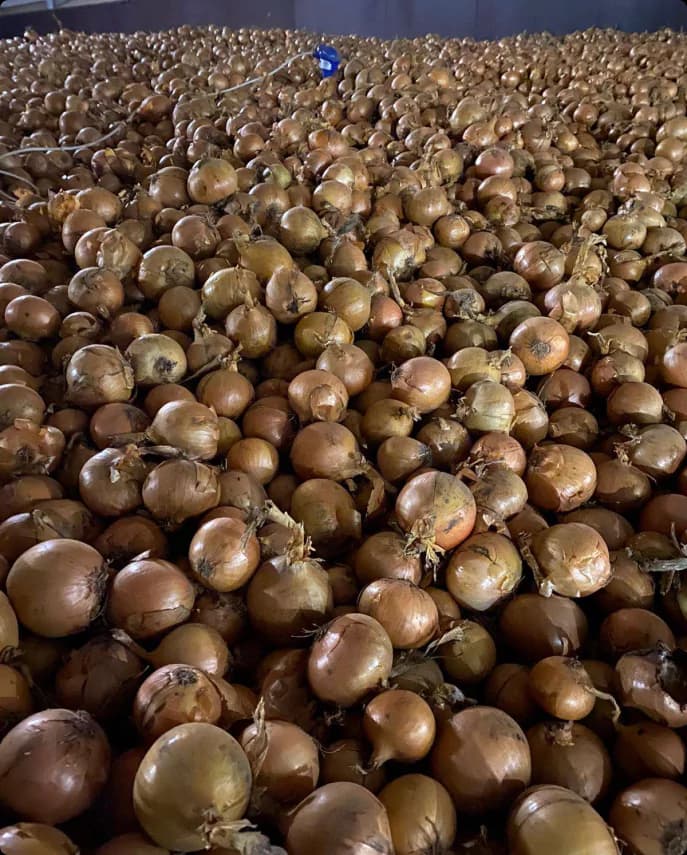
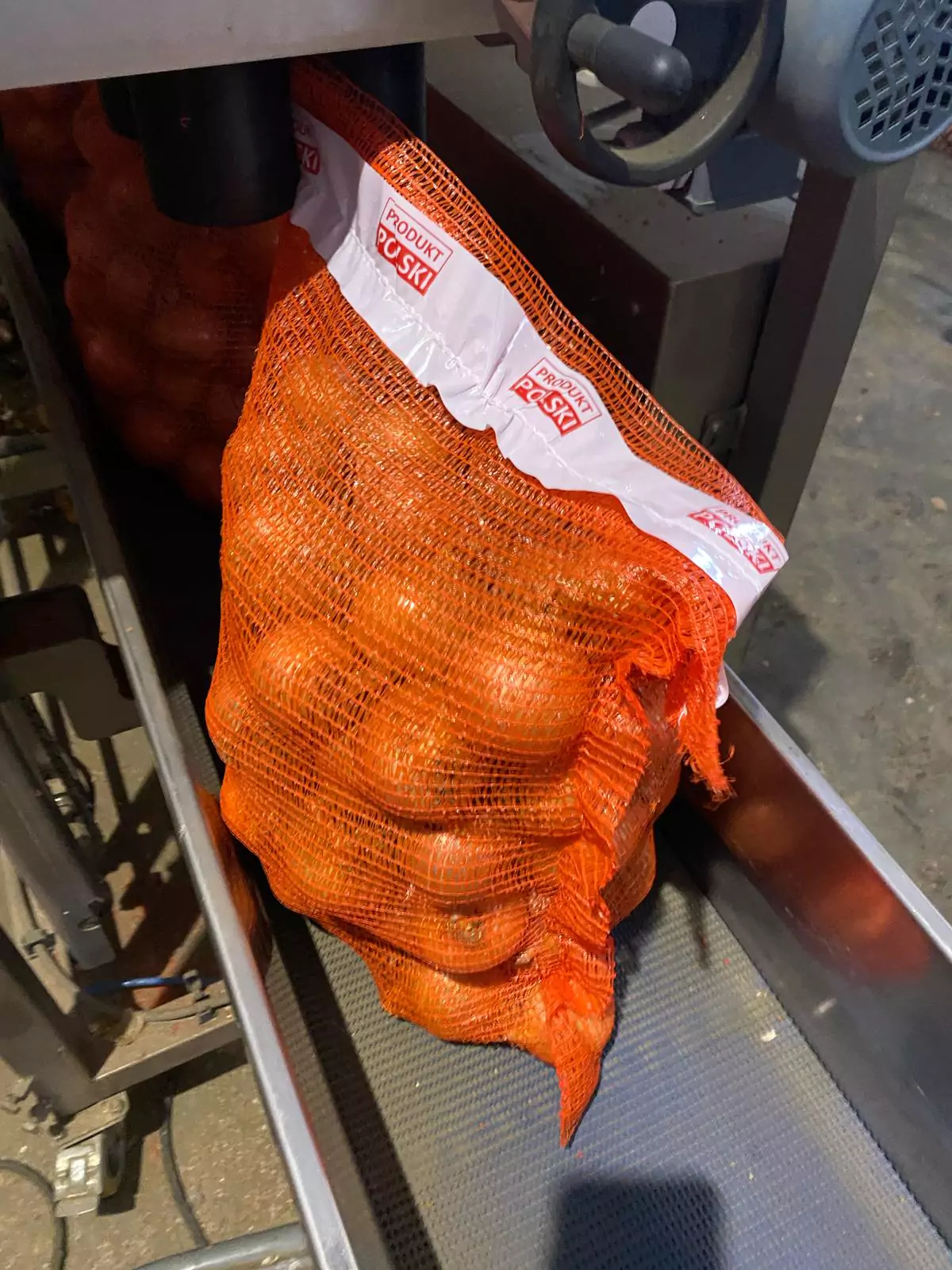
Size is better written down in numbers than as the word "medium", because everyone understands that word differently. We size and pack beetroot to the buyer's needs: loose, in big bags and in 15 kg, 10 kg and smaller sacks.
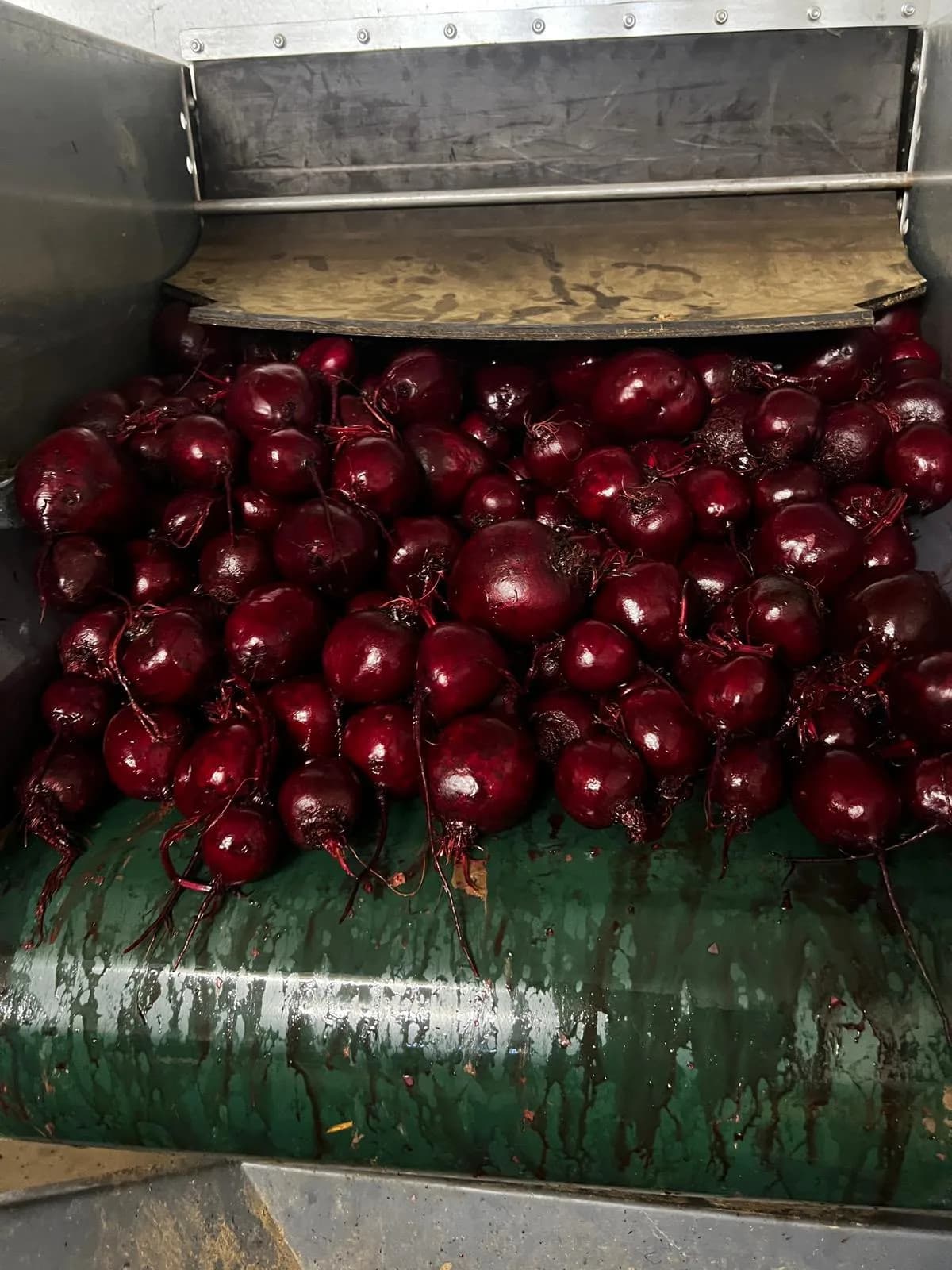
We sort beetroot on the DOWNS CropVision optical sorter. Cameras and AI scan every root through 360 degrees and reject stones, clods of soil and defective roots, and the machine handles up to 100 tonnes per hour. It is worth describing in the contract which defects the plant will not accept, so that both sides assess a batch the same way.
Harvest and collection dates
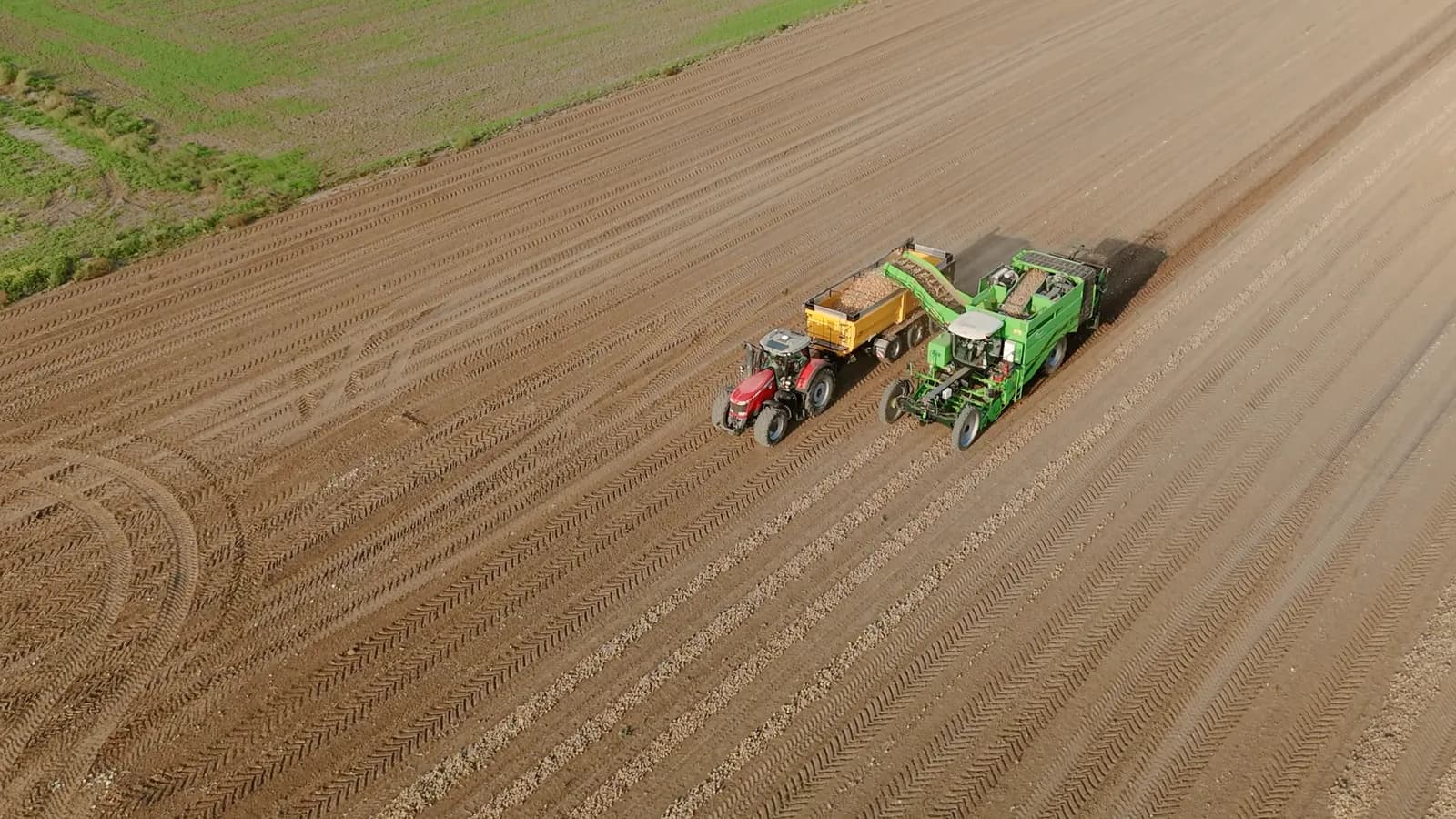
We harvest beetroot with our own machinery, and our whole fleet comes to 87 machines. The harvest date still depends on the weather, which is why it is better to write collection windows into the contract than fixed dates.
It is worth setting out the batch schedule plainly. Collection from the farm or delivery to the plant has to be written down, and we agree the delivery method with each buyer individually.
In July 2025, downpours brought us 150-220 l/m2 in a day, with local flooding and overflowing drainage ditches.
Residue testing and certificates
We produce using a technology free of pesticide residues, in line with the principles of Integrated Plant Production. We test every batch for pesticide residues, heavy metals and substances harmful to health. Weeds are controlled by the Ecorobotix ARA spot sprayer, which cuts chemical doses by around 70%.
It is worth writing the scope of testing into the contract.
We work with GlobalG.A.P., GRASP, FSA Gold (Farm Sustainability Assessment) and GMP+ certificates. According to GLOBALG.A.P., the IFA standard for fruit and vegetables is based on food safety, the environment, worker health, safety and welfare, production processes and traceability. For IP, according to PIORiN, one of the basic obligations of a producer applying for the certificate is to run production in line with methodologies approved by the Chief Inspector of Plant Health and Seed Inspection.
We describe how the same points look for potatoes in our post on potato contracting for processing.
Checklist before signing the contract, step by step
- Write down the variety or the list of varieties approved for delivery.
- Set the quantity in tonnes or the acreage the beetroot is to be harvested from.
- Give the size in numbers and list the defects the plant will not accept.
- Set out the collection windows, batch size and collection location.
- Write in the scope of testing and the certificates you require from the supplier.
- Agree by when and by what means the supplier reports a weather-related delivery problem.
- Ask for a free sample and check it on your own line before you sign.
- Agree how the price is calculated and sign the contract in writing.
We have gathered the full specification, varieties and packing formats in the beetroot offer. We describe how we supply our main crop to packing houses and processors in our post on wholesale onions: a supplier from Żuławy. Planning raw material for the 2027 season? Get in touch: tell us the type, quantity and date, and we will come back with availability, sizing and a price.