Wodan is a beetroot variety we grow with one kind of buyer in mind: those who care about a firm, even, deeply coloured root. We chose it because it brings together what processors and the fresh market both look for: a round shape, uniform red flesh and resistance to bruising in transit. In this post we show what sets Wodan apart, how we grow it in Zulawy and in what form we deliver the finished crop.
What sets the Wodan variety apart
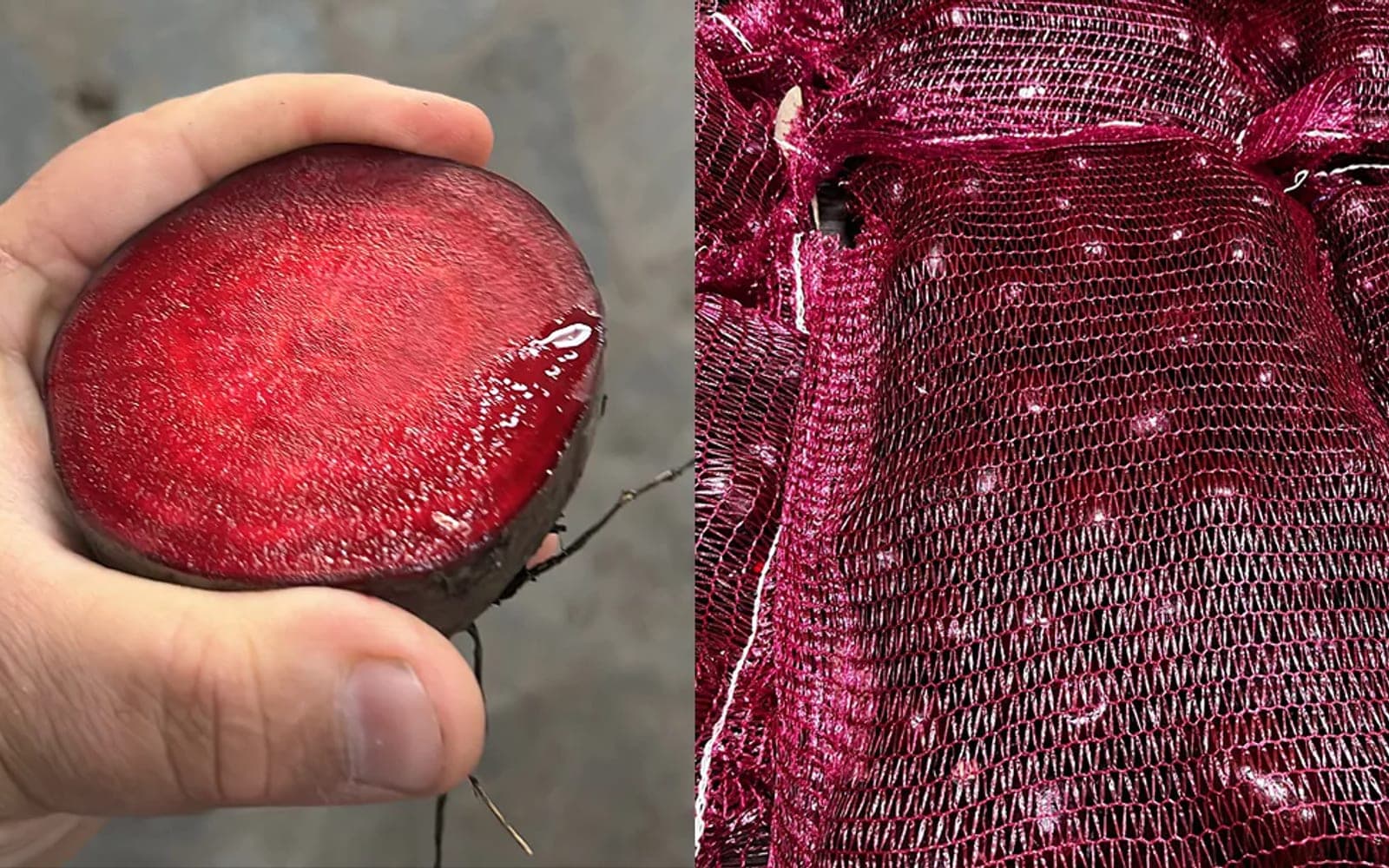
Wodan is one of the earliest beetroot varieties, bred in the Netherlands. It produces round, even roots with smooth skin and deep-red, uniform flesh with no visible rings. That makes a difference on the plate and on the line: after boiling or processing the colour stays even, with no paler edges.
The second thing that matters is firmness. Wodan is firm and stands up well to mechanical damage, so it handles harvest, transport and storage with ease. For us that is a real advantage, because less bruising means fewer losses and a more reliable delivery. With a dry matter content of around 11 percent, the variety works for both the fresh market and processing.
Wodan is not alone on our farm. We also grow the Monty, Chisel and Titan varieties, with a high brix, that is a high sugar content, which processors value. The hero of this post, though, remains Wodan, because it is the backbone of our production.
We grow beetroot alongside onions, potatoes, green peas and cereals. Together that makes 8 crops on more than 800 hectares, including around 400 hectares of vegetables. Beetroot widens our crop rotation and lets us manage the land better through the whole season.
How we grow beetroot in Zulawy
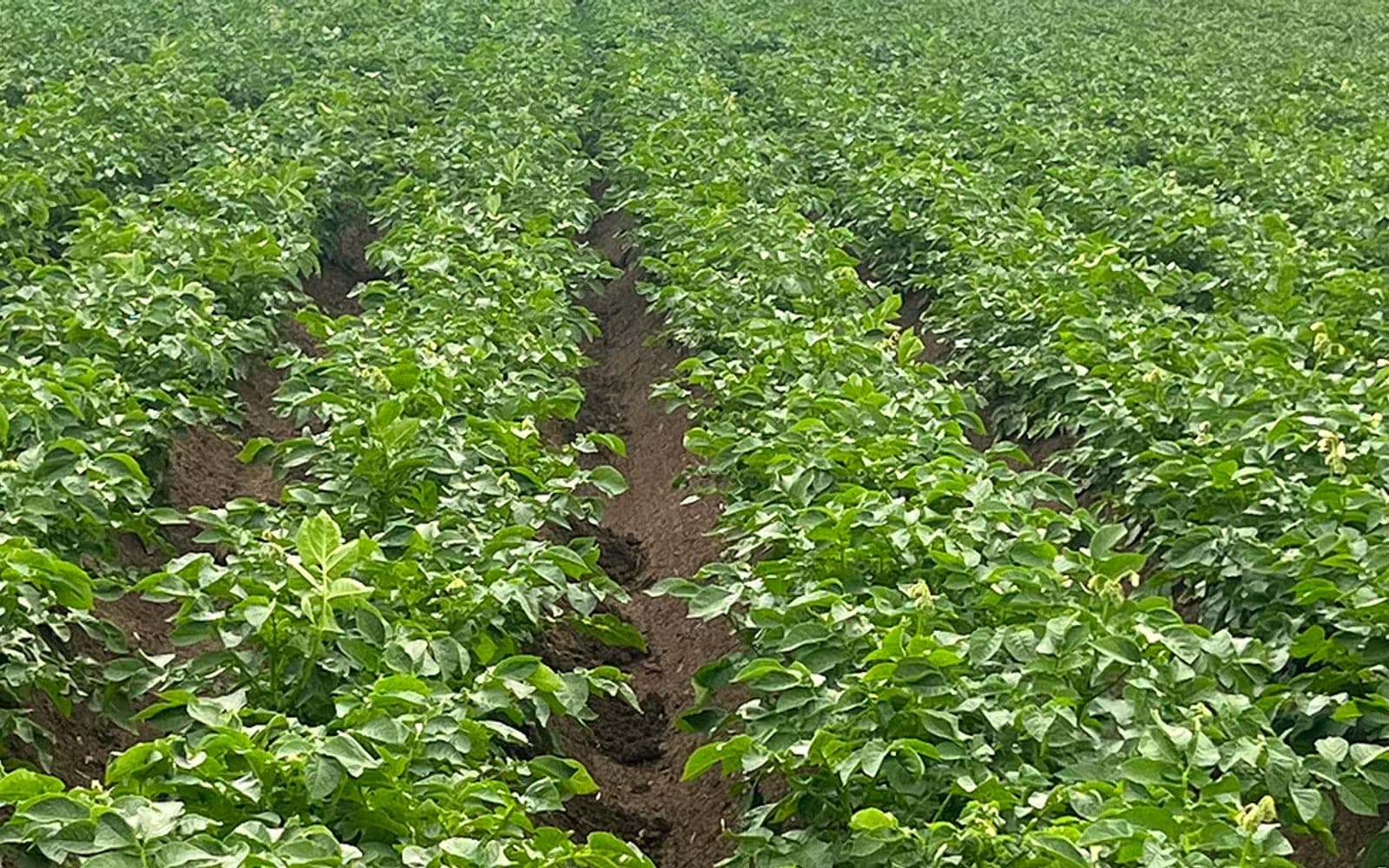
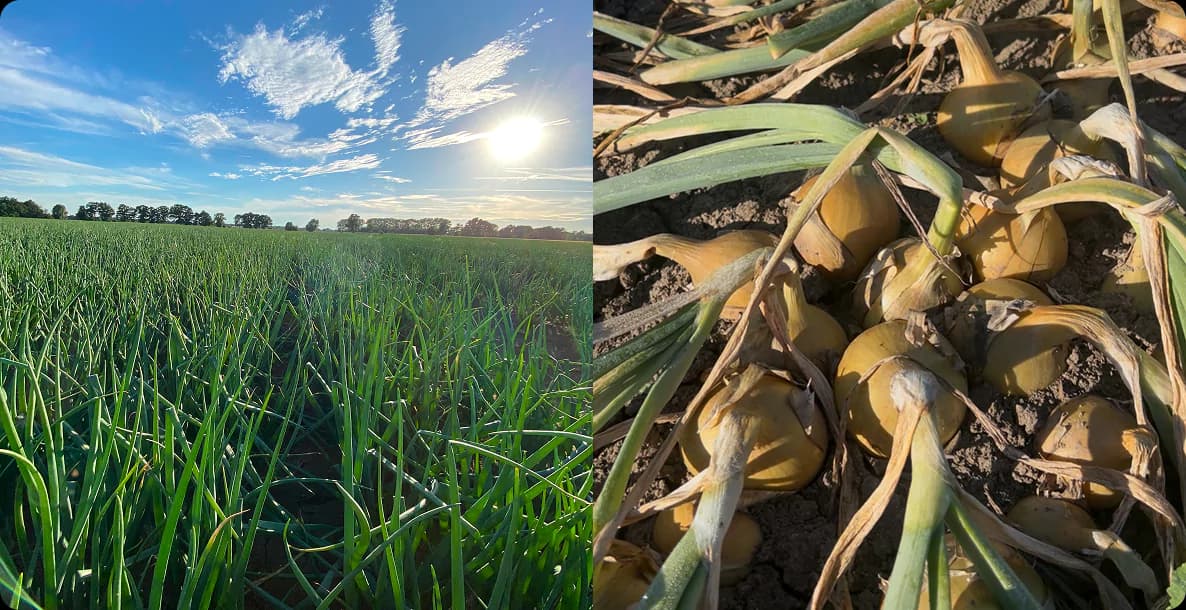
We grow beetroot on Zulawy alluvial soils, the fertile, humus-rich ground that holds water and gives back a good yield. The same conditions that help us with onions suit beetroot too: even emergence, uniform roots and good colour. We write more about why these soils give a better yield in our post on the alluvial soils of Zulawy for onions.
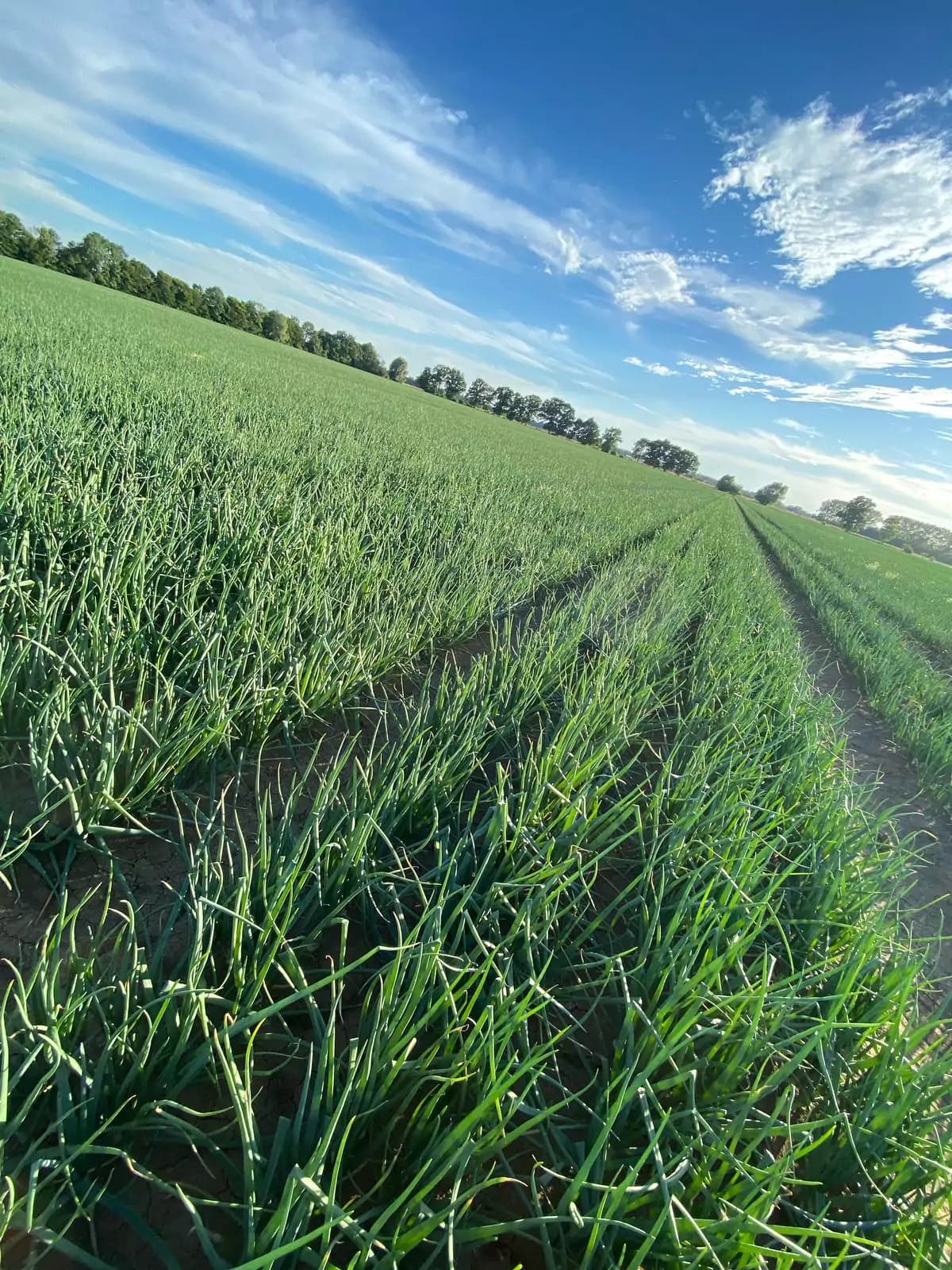
Drilled beetroot has a fairly short growing season, around three months, so it fits neatly into our work calendar. We grow it with the same technology we use across the farm: precision agriculture with GPS RTK, parallel guidance and well-planned crop protection. That keeps our rows even, saves fuel and lets us work precisely, with no overlaps. The machines we use for this are shown in our machinery fleet.
Wodan for processing and the fresh market
Beetroot has two main sales channels, and Wodan suits both. Below is a short summary of what counts in this variety for each of them.
| Wodan variety trait | What it gives processing | What it gives the fresh market |
|---|---|---|
| Uniform red flesh with no rings | Even product colour after processing | Good looks on the shelf |
| High firmness | Fewer losses on the line and in processing | Durability in transport and in store |
| Round, even root | Easier grading and calibrating | Tidy, repeatable packaging |
| Good storage life | Delivery spread out over time | Fresh produce even out of season |
This table shows exactly why we chose Wodan. One variety serves two channels, and we can flexibly send batches wherever the demand happens to be. We take the same approach to other crops grown for processing, such as potatoes, which we cover in our post on which potatoes for fries we choose and why.
Quality you can check
Beetroot is not just about the variety, but also about how the crop is grown and the checks at the end. We sort every batch for firmness, colour and dry matter content, so that the buyer gets even produce, not a random cross-section of the field.
We run the farm to GlobalG.A.P. and GRASP certification and follow the rules of Integrated Plant Production. We carry out analyses for residues of pesticides, heavy metals and substances harmful to health. For packers and processors that is something concrete, because they get documented quality, not a declaration. We watch quality the same way with onions, which we describe in our post on wholesale vegetables from Zulawy.
Storage and delivery formats
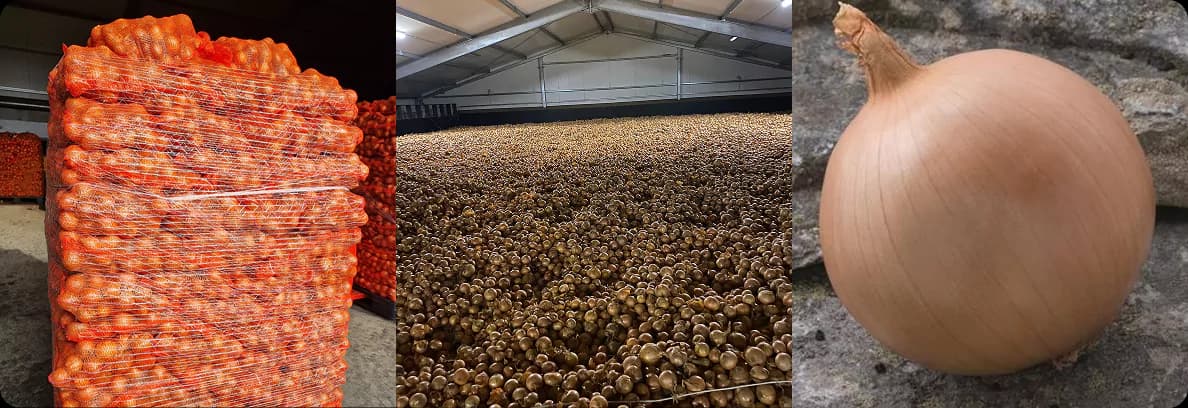
Wodan stores well, and we have the facilities for it. Our own storage with a capacity of around 13,000 tonnes lets us manage sales over time and release produce even outside the peak season. The same facilities that keep onions in good shape serve us with beetroot. We write more about storage technology in our post on onion storage.
We deliver beetroot in the format that suits the buyer. We calibrate and pack to order: loose, big bags, 15 kg and 10 kg bags, and smaller ones. That way one variety serves both a processing line, which prefers loose produce or big bags, and a fresh-market buyer who needs smaller packaging. We have gathered the full specification in the beetroot offer.
Before a larger order, we can send a free sample. It is then easier to judge firmness, colour and size for your own line than from a description alone.
Looking for beetroot for processing or the fresh market? Get in touch through our contact page or see the beetroot offer. We calculate the price based on current market rates.