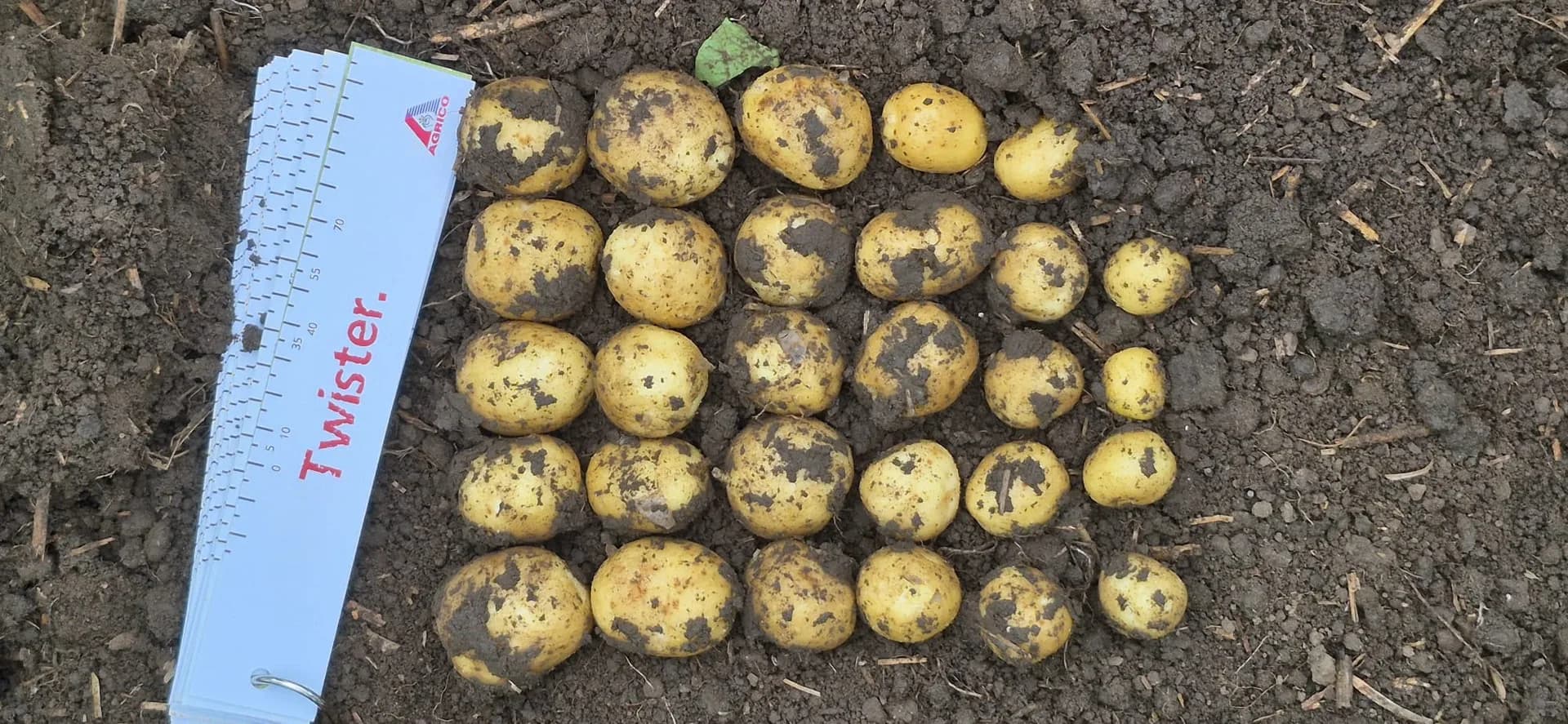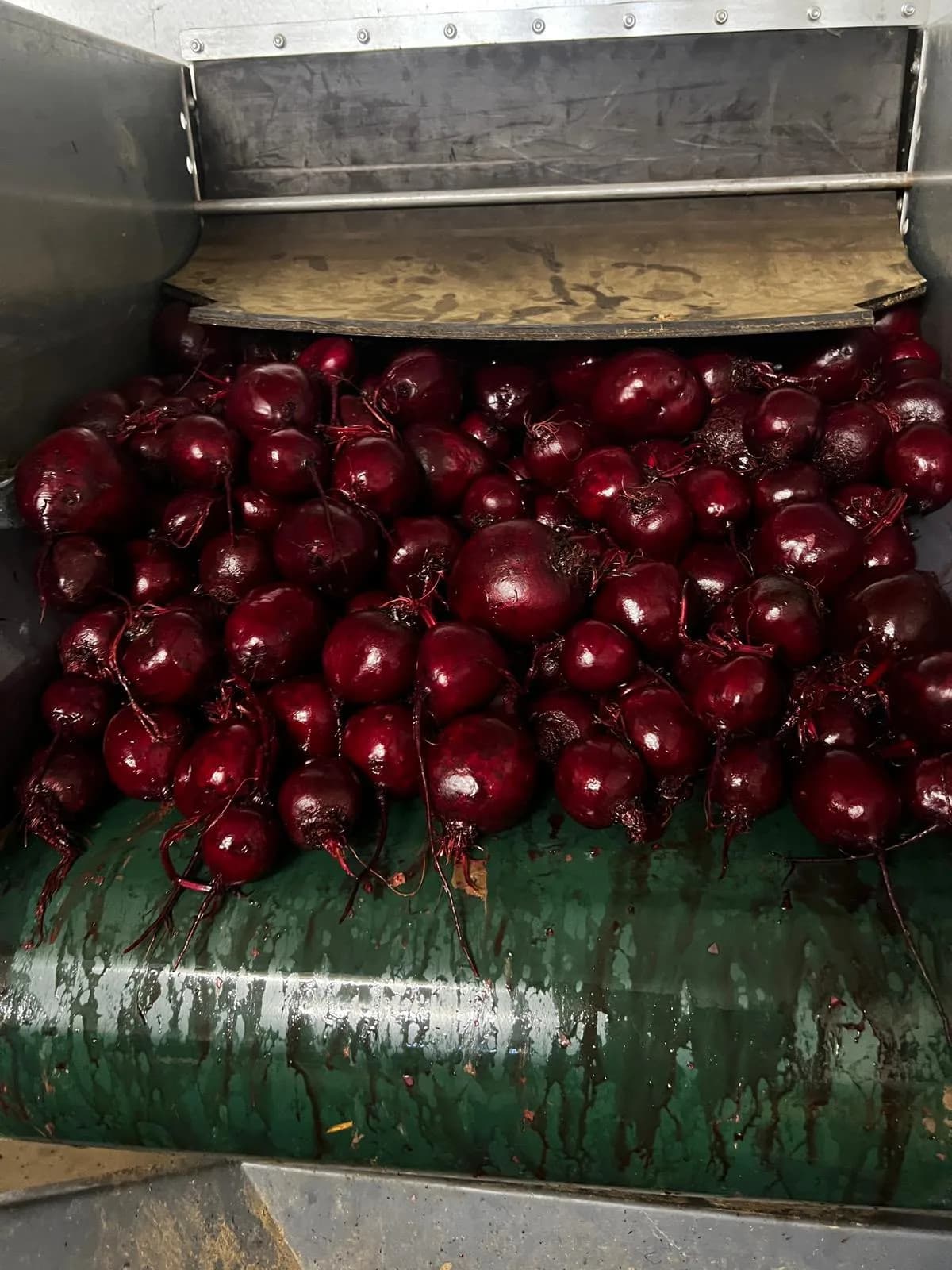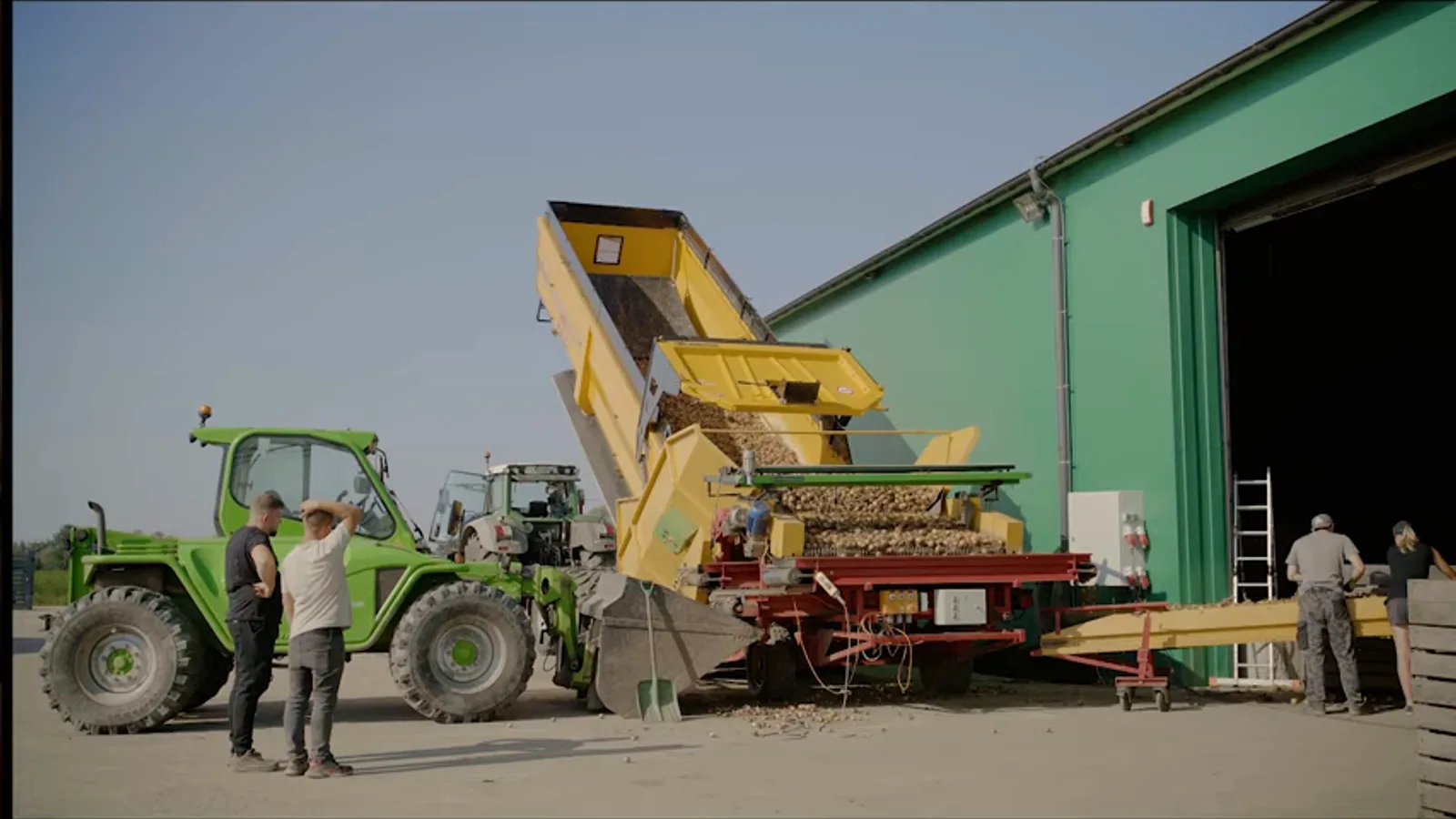
We set out step by step what you get from us at each stage of vegetable supplier approval and what you will see on site: a 13,000-tonne onion store, the DOWNS CropVision sorter and a packing line with a palletiser. We grow onions on about 250 ha.
How to approve a new vegetable supplier step by step
- Send an enquiry. Tell us the vegetable, the quantity and the timing, and we will come back with availability, sizing and price.
- Agree the specification. We match the size and packaging format to the buyer: loose, big bag or 15 kg, 10 kg and smaller sacks.
- Check the certificates. According to GLOBALG.A.P., certification status can be verified publicly by a unique number, e.g. the GGN.
- Order a free sample. We will agree the type, quantity, size and delivery date.
- Take in the first batch. Assess it at your site, on your own line and against your own specification.
- Come to the farm. Arrange it in advance and we will show you the field, the store, the sorter and the packing line.
- Set up regular deliveries. We agree the delivery method individually, and we supply onions all year round.
Enquiry and specification
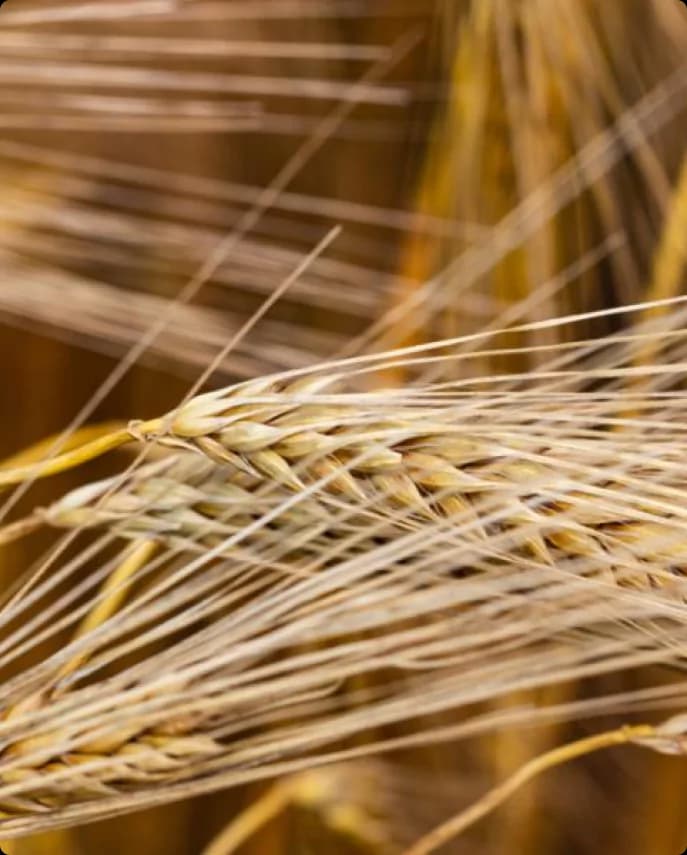
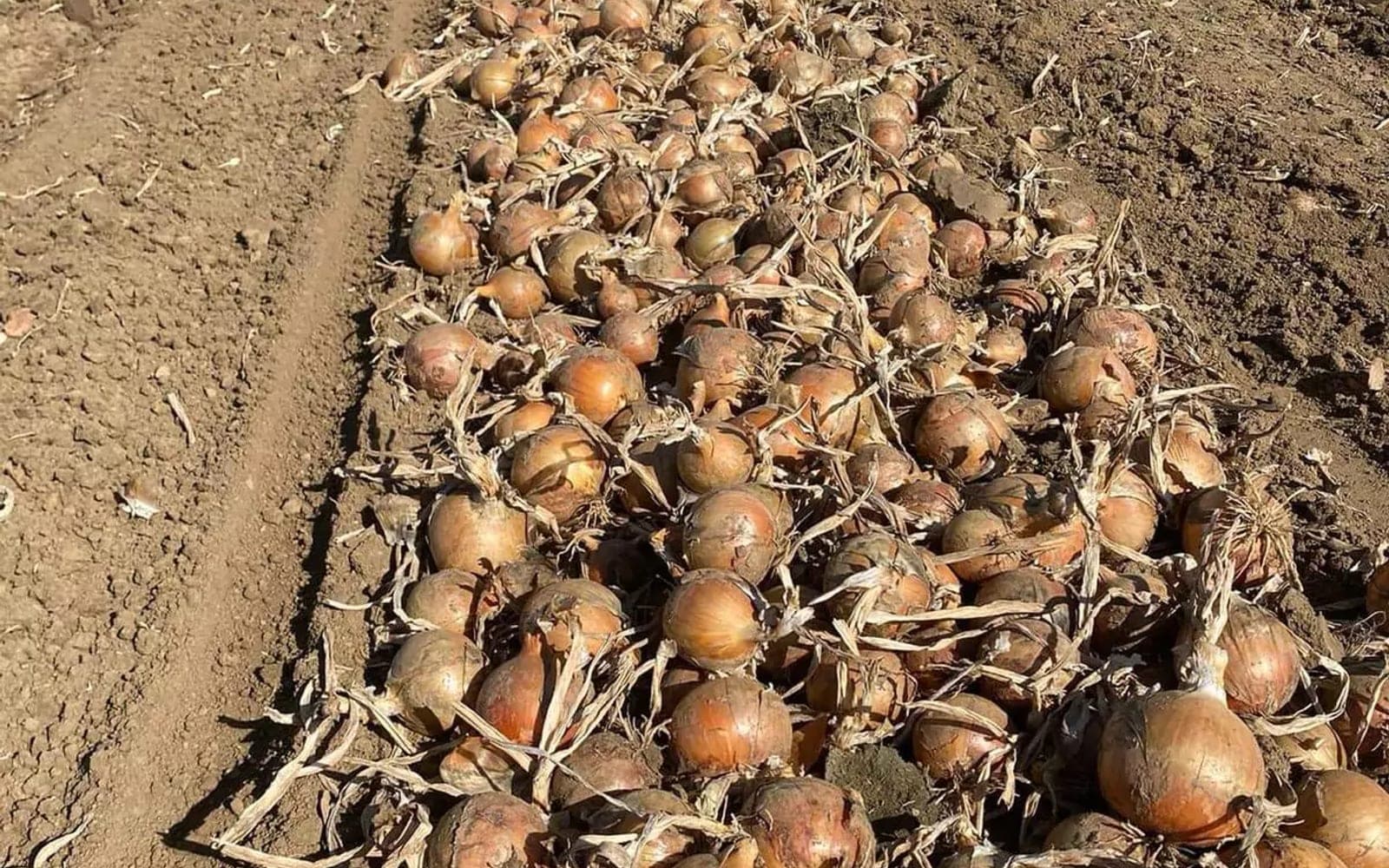
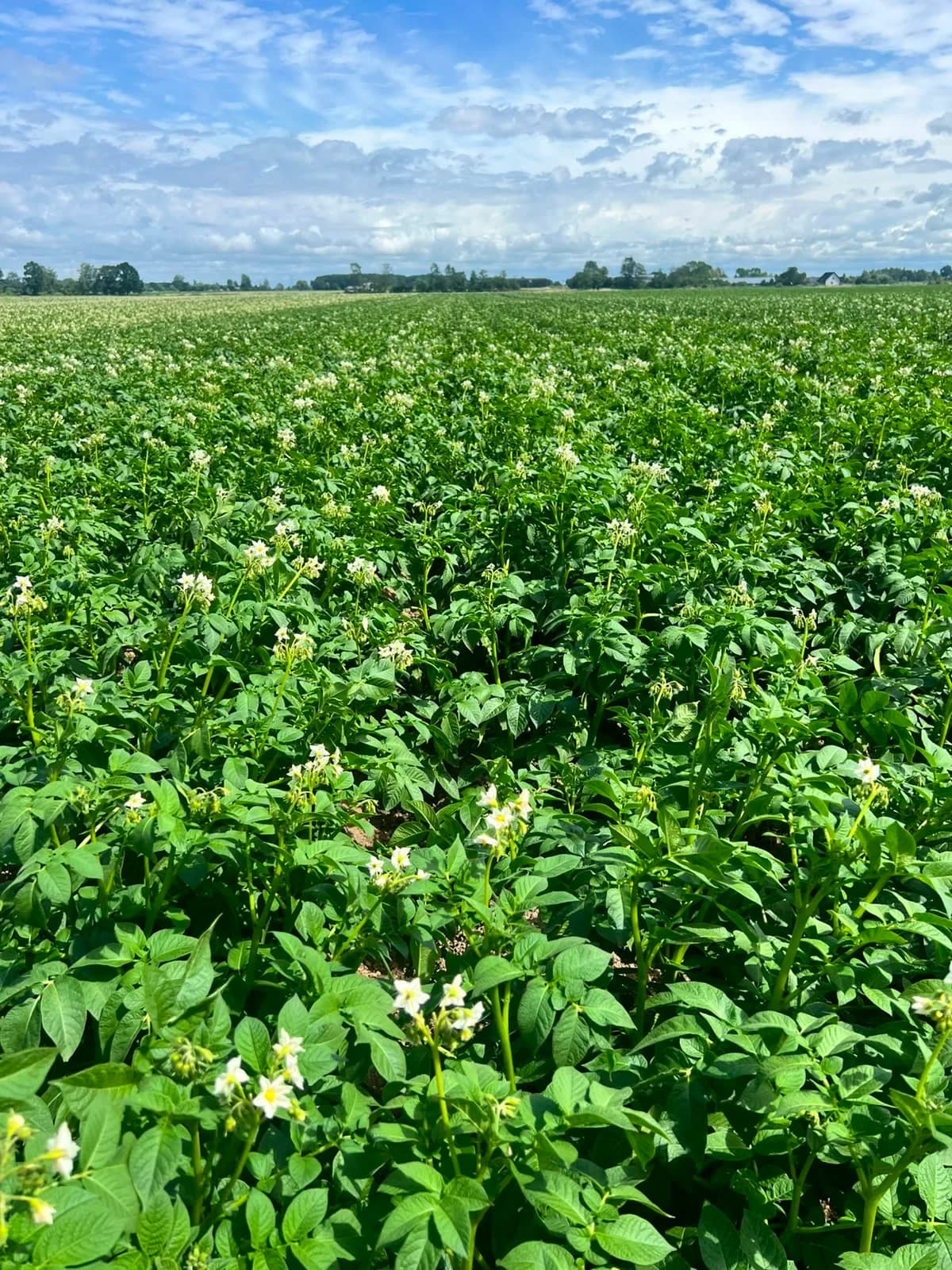
We have 8 products on offer: yellow, red and set-grown onions, potatoes, beetroot, green peas, wheat and triticale. We specialise in onions, which we grow on about 250 ha, with a yield of about 60 t/ha.
If your supplier questionnaire asks about scale, the answer fits in a few numbers. We farm more than 800 ha, including about 400 ha of vegetables, and we work with 87 machines. Everything we sell grows on our fields in Żuławy, in Wocławy near the Tricity.
We match the size and packaging format to the specification. For yellow onions we mostly rely on the Hybelle, Hysinger, Hyfive, Nation, Revelation and Bingo varieties, and for red onions on Redtide, Redmate, Aurelion and Tannat. We calculate the price based on current market prices, so we quote it after talking about quantities and timing.
Certificates and origin of the produce
We hold GlobalG.A.P., GRASP, FSA Gold (Farm Sustainability Assessment) and GMP+, and we run the farm according to the principles of Integrated Plant Production. According to GLOBALG.A.P., certification status can be verified publicly in the Supply Chain Portal by a unique 13-digit identification number. The same GLOBALG.A.P. page notes that a GLOBALG.A.P. certificate or GLOBALG.A.P. identification number that cannot be found in the public database is considered invalid straight away. What each of our documents covers, we set out in our post on vegetable supplier certificates.
Alongside certificates, the origin of the produce matters. According to the European Commission, general food law requires businesses to be able to identify at least the immediate supplier of a product and the immediate customer.
With us, that chain is short. The onions grow on our fields, sit in our store and come off our packing line. We run the whole process in-house, so we are responsible for timing and produce at every stage.
Free sample and first batch
The sample is free. Write or call, and we will agree the type, quantity, size and delivery date.
The first batch goes through the same checks as every other one. After harvest we dry the onions for 2-4 days and keep them in a store with controlled ventilation. The DOWNS CropVision optical sorter scans every bulb through 360 degrees and rejects stones, clods of soil and defective bulbs, at up to 100 tonnes per hour. We select every batch of onions for firmness, colour and a dry skin, and a palletiser stacks the finished packs.
We produce using a residue-free technology, in line with the principles of Integrated Plant Production, and we test every batch for pesticide residues, heavy metals and substances hazardous to health. According to the European Commission, the maximum residue level is the highest level of a pesticide residue that is legally tolerated in food or feed when pesticides are applied correctly. Among the metals for which the EU has set maximum levels, the European Commission lists lead and cadmium. What our tests look like, we describe in our post on pesticide residue testing.
Farm visit: what you will see on site
We welcome visits, ideally arranged in advance. We are in Wocławy in Żuławy, near the Tricity. On site we show what a questionnaire cannot.
| Place | What you will see | Numbers |
|---|---|---|
| Onion store | controlled ventilation and drying | 13,000 tonnes, drying 2-4 days |
| DOWNS CropVision sorter | cameras and AI, 360-degree scan; sorts onions, potatoes and beetroot | up to 100 tonnes per hour |
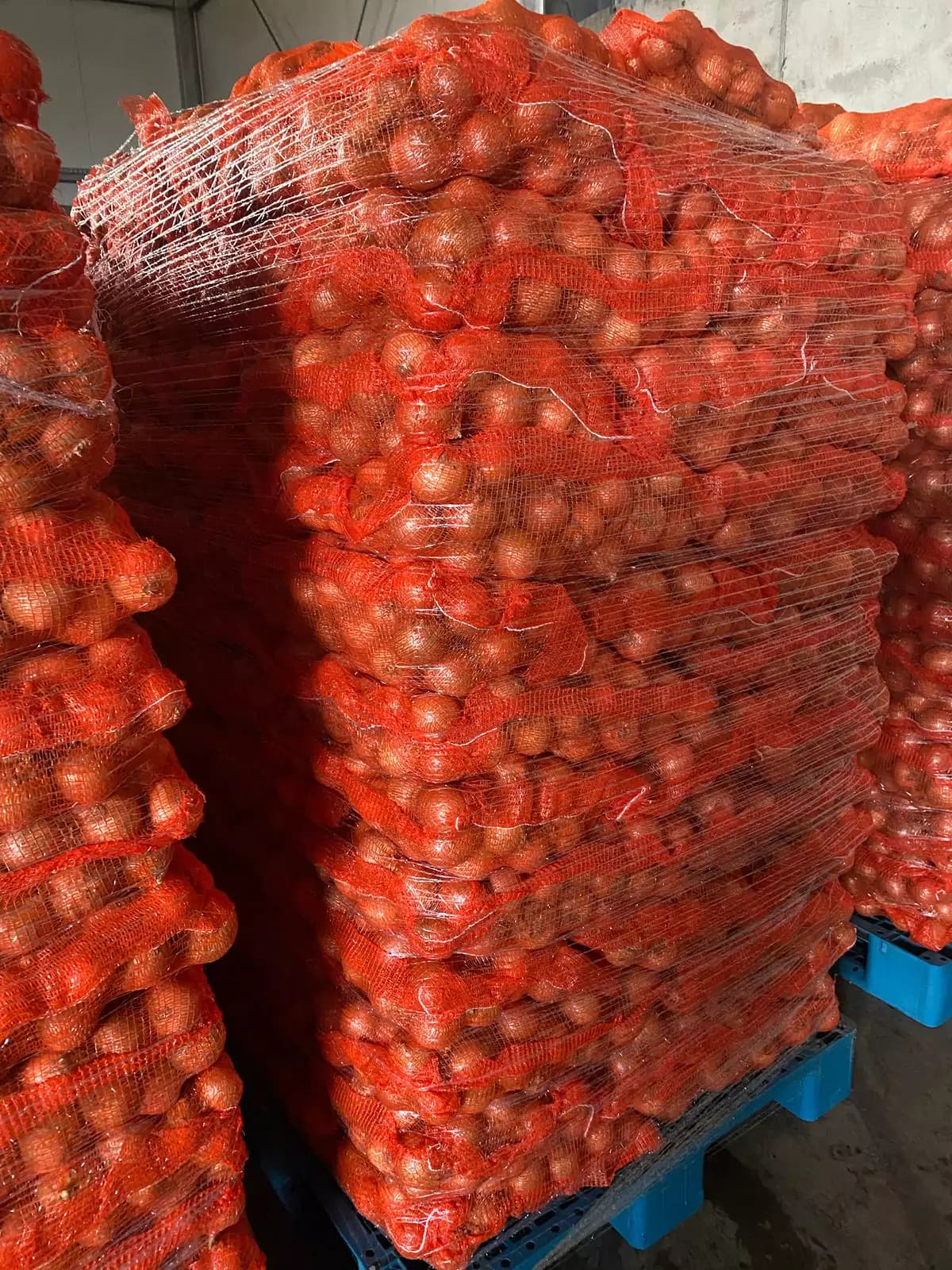
| Onion packing line | automated packing and palletiser | loose, big bag, 15 kg, 10 kg and smaller sacks |
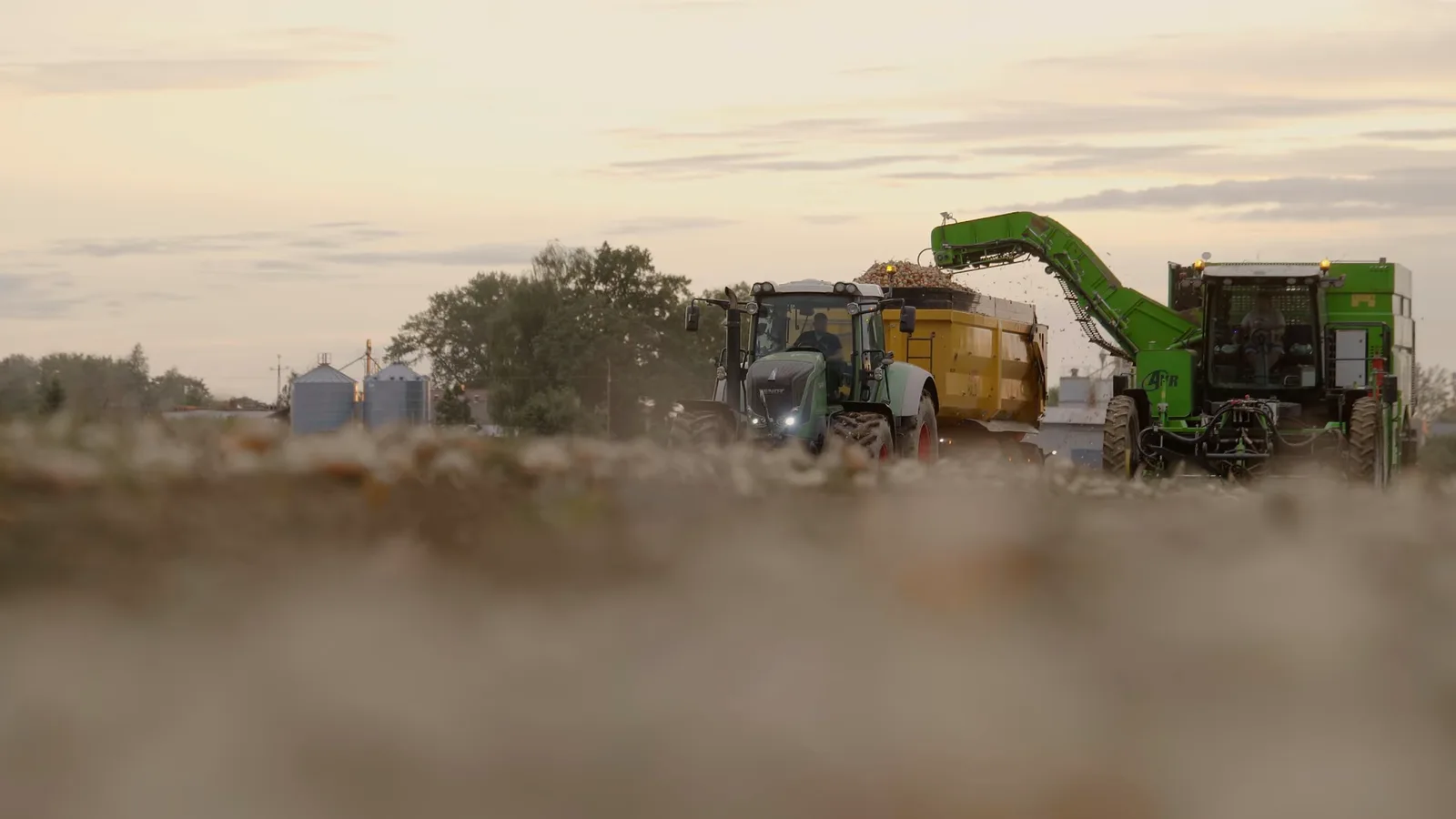
| Machinery | AVR Puma 3 harvester, Grimme WV 180 windrower, Fendt and John Deere tractors | 87 machines |
Hardly anyone grows onions in Żuławy, and we run about 250 ha of them. The Ecorobotix ARA sprayer uses cameras to recognise weeds and sprays only where needed, cutting chemical doses by about 70%. We show all the machines with their specifications and photos in the machinery section.
Regular deliveries after approval
We have onions all year round. The season opens with set-grown onions in early summer, then the spring-sown onions come in, and our 13,000-tonne store covers the rest of the year. It lets us manage sales over time and supply produce all year round, not just after harvest.
Our vegetables go to companies such as Onix, Farm Frites and FreshPol, partners that supply the largest retail chains and processing plants in Poland and Europe. Farm Frites makes fries from the Innovator variety, the same one we grow.
What working with us looks like at packer scale, we describe in our guide wholesale onions: a Żuławy supplier. You will find varieties and packaging formats on the yellow onions from Żuławy page. The first step is simple: send an enquiry with the type, quantity and timing, and we will reply with availability and price.